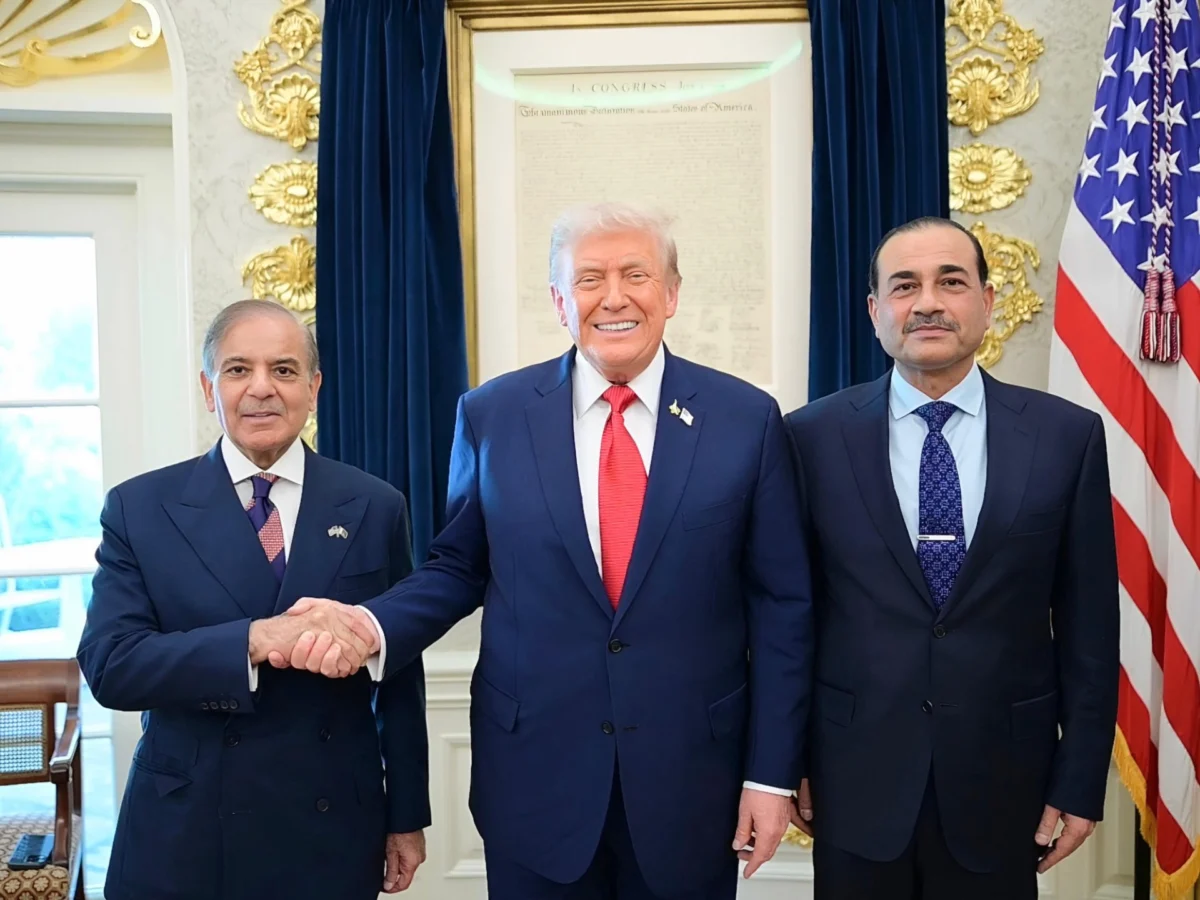
Pakistan’s standing in US foreign policy circles has risen during Donald Trump’s presidency, but analysts caution that the durability of that relationship remains uncertain following the upcoming US midterm elections, which historically bring shifts in congressional priorities and foreign policy focus.
While Islamabad has secured greater diplomatic visibility in Washington over the past two years, experts note that campaign rhetoric and electoral outcomes often redirect attention toward domestic concerns, potentially sidelining complex bilateral issues such as counterterrorism cooperation, trade ties, and defense agreements.
KEY FACTS
- Pakistan has gained diplomatic visibility under Trump.
- Analysts question the depth of Pakistan-US relations.
- US midterms may influence future diplomatic engagement.
- The relationship raises questions about mutual strategic interests.
The Story
What happens next?
The 2026 US midterm elections are expected to reshape the legislative landscape in Washington, possibly altering how Congress engages with Pakistan across defense, trade, and security matters.
Historically, changes in House and Senate majorities have led to shifts in appropriations, oversight hearings, and committee assignments—factors that directly impact aid flows, military sales, and diplomatic initiatives involving Pakistan.
Analysts tracking South Asia policy suggest that while executive-level diplomacy continues under the current administration, congressional interest often intensifies post-midterms, especially regarding human rights, counterterrorism funding, and regional stability along the Afghanistan-Pakistan border.
Who is affected?
Pakistan’s government and military establishment stand to be significantly affected by any recalibration in US foreign policy posture following the midterms, particularly if there is a shift in party control that brings new leadership to key committees.
Islamabad has invested considerable effort in strengthening bilateral channels through high-level visits, defense dialogues, and economic diplomacy, hoping these investments yield long-term dividends regardless of electoral outcomes.
Regional actors including India, China, and Afghanistan also monitor fluctuations in Pakistan-US ties closely, since shifts in American engagement can alter strategic calculations and influence multilateral negotiations affecting broader South Asian geopolitics.
How did we get here?
Under the Trump administration, Pakistan saw renewed emphasis on counterterrorism collaboration and defense procurement deals, marking a departure from earlier periods marked by sanctions and diplomatic freezes following military actions near the Afghan frontier.
Islamabad capitalized on opportunities presented by direct diplomatic outreach, media appearances, and strategic narratives aligning with US priorities in the region, boosting its profile among Washington policymakers and think tanks.
However, analysts emphasize that sustained momentum requires institutional alignment beyond personality-driven diplomacy, suggesting that structural elements of the relationship need deeper anchoring to survive potential political transitions after the midterms.
What We Know — and What We Don’t
Verified by the source:
- Pakistan has gained diplomatic visibility under Trump.
- Analysts express skepticism about the relationship’s tangible results.
- US midterm elections could influence future diplomatic direction.
Still unconfirmed:
- Exact policy proposals being considered by either side.
- Specific metrics used by analysts to measure diplomatic effectiveness.
- Potential outcomes or timelines tied to post-election developments.
Why It Matters
Understanding how US electoral cycles affect bilateral relationships helps global audiences anticipate policy volatility and interpret geopolitical signals emanating from the world’s sole superpower. For Pakistan, maintaining consistent engagement with Washington—even amid domestic political flux—is crucial for advancing national security objectives and economic interests.
What To Watch
Ongoing congressional debates over foreign aid budgets and defense appropriations will provide early indicators of whether the trend toward enhanced Pakistan-US cooperation accelerates, stalls, or reverses after the November vote.
Meanwhile, official statements from State Department officials and Pakistani foreign ministry spokespersons will clarify whether both sides aim to institutionalize recent diplomatic gains or allow short-term political dynamics to dictate longer-term strategy.
US midterms may reshape Pakistan-Washington ties, as analysts weigh whether diplomatic gains translate into meaningful progress.
Explore more updates in our [war-geopolitics](/category/war-geopolitics) and [politics](/category/politics) archives.