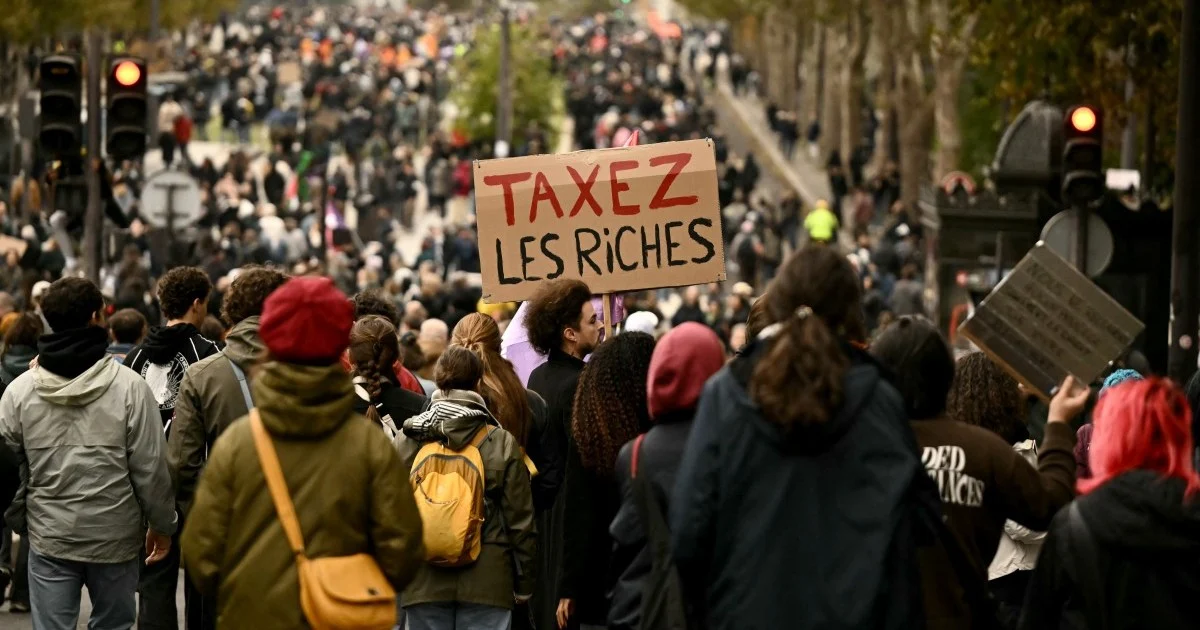
France is struggling to address student demands for increased public spending on education and social services due to a broader fiscal crisis. Protesters continue to push for greater government investment, but the current economic situation limits the state’s ability to meet these requests without risking financial instability.
The standoff reflects deeper tensions between public expectations and fiscal realities across many European nations. As students and other groups voice dissatisfaction, the government must balance short-term concessions with long-term economic planning.
KEY FACTS
- Students are demanding more spending on education and social services.
- The French government has struggled amid a fiscal crisis.
- Protests have emerged in response to unmet demands.
- The fiscal crisis constrains public expenditure decisions.
Who Is Affected by the Standoff?
The primary group affected by this situation is the student population, who initiated the protests calling for increased funding. However, the broader population may also be impacted if the government redirects resources to address the demands, potentially affecting other public services or leading to austerity measures in other areas.
The government itself is caught between competing pressures. On one side, there are public expectations for expanded social programs; on the other, there are fiscal limits imposed by budget deficits and debt levels. This tension affects policymakers’ ability to respond effectively without triggering wider economic consequences.
Educational institutions are indirectly involved as they represent a key sector where students are advocating for stronger investment. Any decision made in this context will influence the quality and availability of services within the education system and related fields.
How Did We Get Here?
The roots of the current crisis lie in France’s ongoing struggles with public debt and budget deficits, which have been exacerbated by global economic trends and domestic policy choices. These fiscal constraints have limited the government’s room to increase spending, even as students and other groups advocate for expanded welfare and education budgets.
Across Europe, several countries have faced similar challenges, balancing citizen demands for generous public services against the need to maintain fiscal discipline. In France, this dynamic has become particularly visible through organized student actions, drawing attention to the broader debate over the role of government in providing social goods.
The lack of a clear resolution has prolonged uncertainty, making it difficult for both protesters and officials to plan ahead. Without a breakthrough, future demonstrations could emerge, further straining the relationship between civil society and state institutions.
What Happens Next?
It remains unclear whether the French government will adjust its fiscal strategy to accommodate student requests or maintain its current course. Analysts note that future developments may depend on how effectively policymakers can communicate trade-offs to the public and find alternative funding mechanisms.
WHAT WE KNOW — AND WHAT WE DON’T
Verified by the source:
- Students are demanding more spending on education and social services.
- The government has struggled to respond due to a fiscal crisis.
- Protests have taken place to highlight these demands.
Still unconfirmed:
- The exact size or timeline of proposed student-led reforms.
- Specific government responses or negotiation outcomes.
- Broader economic data behind the fiscal crisis.
- Names or roles of involved officials or representatives.
WHY IT MATTERS
This story illustrates a common challenge faced by democratic governments: meeting public expectations for services while managing limited resources. For readers, it highlights how fiscal health affects everyday life, from school conditions to social programs. Understanding this dynamic is essential for informed citizenship and democratic participation in societies where public spending plays a major role.
WHAT TO WATCH
Future negotiations or policy announcements may clarify whether the government intends to modify its fiscal stance. Meanwhile, continued protests could signal escalation or new alliances among advocacy groups. The situation is fluid and warrants close attention.