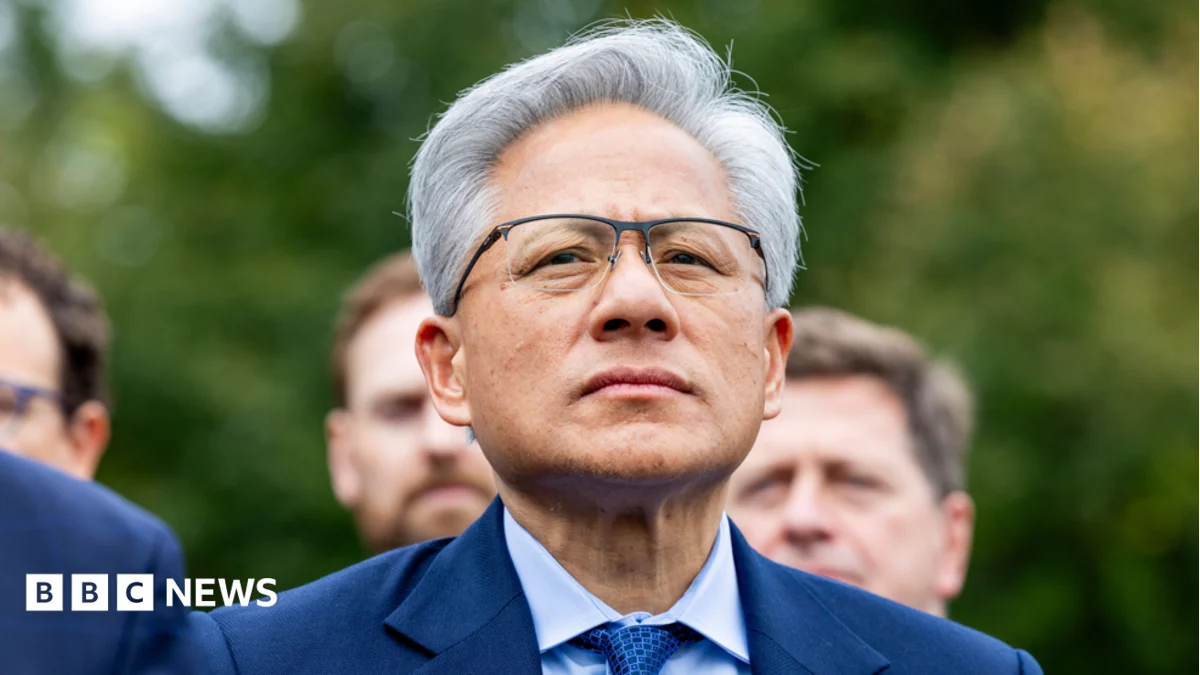
The US attorney general avoided answering questions about an Nvidia investigation as the semiconductor company’s share price fell 7%. Lawmakers are pressing for details on President Donald Trump’s reported role in reinstating chief executive Jensen Huang, according to BBC News.
The development adds pressure on both the Justice Department and Nvidia as congressional scrutiny intensifies. The share decline reflects investor unease over regulatory uncertainty and potential political influence in a case involving one of America’s most valuable technology firms.
Key Facts
- US attorney general dodged questions about Nvidia investigation
- Nvidia share price fell 7%
- Lawmakers demand answers on Trump’s involvement in Huang’s reinstatement
- BBC News reported the congressional pressure and market reaction
- Investigation details remain undisclosed by officials
The Story
Justice Department silence fuels speculation
The attorney general’s refusal to engage with lawmaker inquiries leaves the scope and status of the Nvidia investigation unclear. When cabinet officials decline to address congressional questions, it typically signals either an ongoing sensitive probe or a policy disagreement with oversight committees. Neither the Justice Department nor Nvidia has released public details about the investigation’s focus, which could range from antitrust concerns to export control compliance.
Market participants interpret official silence as a risk factor. The 7% share decline suggests investors are pricing in potential regulatory headwinds, legal costs, or operational restrictions. Nvidia dominates the market for artificial intelligence accelerators, making any government action consequential for the broader technology supply chain.
Congressional focus on presidential involvement
Lawmakers have specifically tied their demands to President Trump’s reported role in reinstating Jensen Huang as chief executive. Huang co-founded Nvidia in 1993 and led the company through its transformation from graphics cards to AI infrastructure. The nature and timing of any presidential intervention remain unspecified in public reports, but congressional oversight committees typically examine whether political influence affected law enforcement independence.
This line of inquiry intersects with broader debates about White House involvement in specific corporate matters. When elected officials allege executive branch interference in regulatory or enforcement decisions, it triggers separation-of-powers concerns that can lead to formal hearings, document requests, or inspector general reviews.
What happens next for Nvidia and regulators?
The immediate focus shifts to whether lawmakers escalate from questions to formal demands. Congressional committees can issue subpoenas for testimony or documents, schedule public hearings, or request investigations by independent watchdogs. Nvidia’s legal and government affairs teams will likely prepare for multiple scenarios, from voluntary cooperation to protracted legal challenges.
For investors, key milestones include any official disclosure of the investigation’s parameters, Nvidia’s quarterly earnings commentary on regulatory risk, and signals from the Justice Department about enforcement priorities. The semiconductor sector broadly watches for precedent: how this case is handled could shape expectations for government scrutiny of other AI hardware leaders.
What We Know — and What We Don’t
Verified by the source:
- US attorney general avoided questions about Nvidia investigation
- Nvidia shares declined 7% in connection with the news
- Lawmakers are demanding information on Trump’s role in Huang’s reinstatement
- BBC News reported these developments
Still unconfirmed:
- The specific subject or legal basis of the Nvidia investigation
- Whether an investigation is formally open or merely anticipated
- Details of Trump’s alleged involvement in Huang’s reinstatement
- Which congressional committees are leading the inquiry
- Nvidia’s official response to the share decline and political pressure
- Timeline for any Justice Department disclosure or congressional action
Why It Matters
The convergence of a sharp stock move, congressional pressure, and allegations of political interference in a major AI company’s leadership creates a test case for corporate governance in the semiconductor sector. Outcomes here could influence how regulators approach other dominant technology firms and whether executive branch involvement in specific corporate matters faces new constraints.
What to Watch
Monitor for formal congressional letters to the Justice Department, Nvidia’s next SEC filing addressing regulatory risk, and any public statements from the attorney general’s office clarifying the investigation’s status.