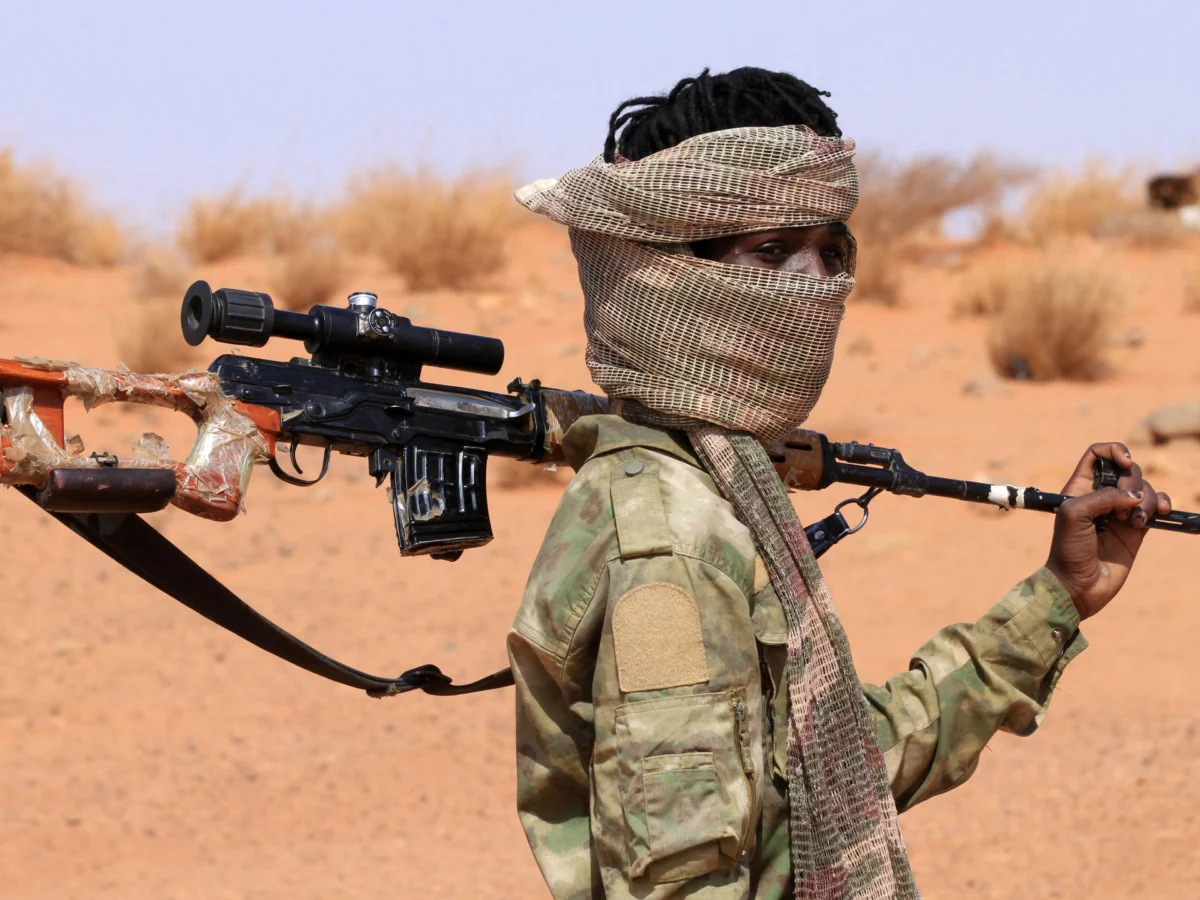
The United Nations decided to extend the existing Darfur arms embargo but rejected a U.S.-led proposal to broaden it to cover all of Sudan. Russia and China opposed the expansion, citing concerns over the scope and implications of such a move during a period of continued instability in the region. The decision reflects ongoing divisions among permanent Security Council members regarding how best to address escalating violence in Sudan.
The Darfur arms embargo was originally imposed to prevent weapons from fueling conflict in the western region of Sudan. Despite repeated calls for tighter controls, disagreements persist over whether extending restrictions beyond Darfur would effectively reduce hostilities or risk further isolating parts of the country. The council’s failure to reach consensus on broader sanctions underscores deep geopolitical tensions complicating international responses to humanitarian crises.
Key Facts
- The UN extended the Darfur arms embargo.
- Russia and China blocked a U.S. proposal to expand sanctions to all of Sudan.
- The action occurs amid ongoing conflict in Sudan.
- The embargo targets weapon flows into Darfur specifically.
- U.S. sought broader restrictions due to regional instability.
Why the Vote Split Matters
The vote revealed sharp splits within the UN Security Council between Western nations advocating stronger punitive measures and major powers cautious about expanding sanctions regimes. Russia and China have historically opposed new or enlarged embargoes, arguing they often harm civilian populations more than intended targets. This rift highlights how geopolitical rivalries can stall coordinated global action even when grave humanitarian situations demand urgent attention. The inability to unify behind a single approach may leave affected communities without enhanced protections or pressure on warring parties to seek peace. It also signals that future efforts to adjust or scale up international responses will face similar hurdles unless underlying disagreements are resolved. For now, the status quo remains in place, with only limited tools at hand to address wider instability across Sudan. That limitation could constrain diplomatic leverage moving forward.
How Did We Get Here?
The Darfur arms embargo was first established years ago amid reports of mass atrocities and unchecked arms trafficking fueling ethnic violence in the region. Since then, conflict has evolved and spread, prompting renewed calls for updated strategies to reflect current realities on the ground. However, past attempts to strengthen or expand sanctions have met resistance from several Security Council members who question their effectiveness and impartiality. These dynamics shaped today’s outcome, where compromise meant keeping the embargo narrowly focused rather than adopting a sweeping new framework. While supporters argue that incremental steps maintain momentum, critics worry that insufficient tools hinder meaningful progress toward de-escalation and long-term stability. Without unified backing, prospects for more robust intervention remain uncertain. Each passing day brings increased suffering.
Meta Description:
UN extends Darfur arms embargo but blocks broader Sudan sanctions after Russia and China oppose U.S.-led proposal amid ongoing conflict.
What We Know — and What We Don’t
Verified by the source:
- The UN extended the Darfur arms embargo.
- Russia and China voted against expanding sanctions to all of Sudan.
- The context involves ongoing conflict in Sudan.
- A U.S.-led initiative proposed broader sanctions.
- Geopolitical tensions influenced the council’s decision.
Still unconfirmed:
- Specific voting numbers from the Security Council meeting.
- Exact details of what the expanded embargo would have included.
- Official statements from individual countries involved.
- Timeline of next steps or potential follow-up votes.
- Immediate humanitarian impact of maintaining a narrower embargo.
Why It Matters
This vote affects millions of civilians living in areas plagued by armed conflict and restricted access to basic necessities. When powerful nations deadlock at the UN, it delays decisive action that could save lives or pressure belligerents into negotiations. The Darfur arms embargo alone may prove insufficient if violence continues spreading elsewhere in Sudan, leaving local populations vulnerable and without adequate international protection. Broader recognition of these consequences might eventually push for alternative approaches to peacekeeping and conflict resolution. Until then, the world watches closely as regional leaders grapple with mounting humanitarian challenges. Regional stability depends heavily on effective international coordination, which currently lacks sufficient support from key stakeholders.
Explore more in war-geopolitics. See related news in economy-markets.