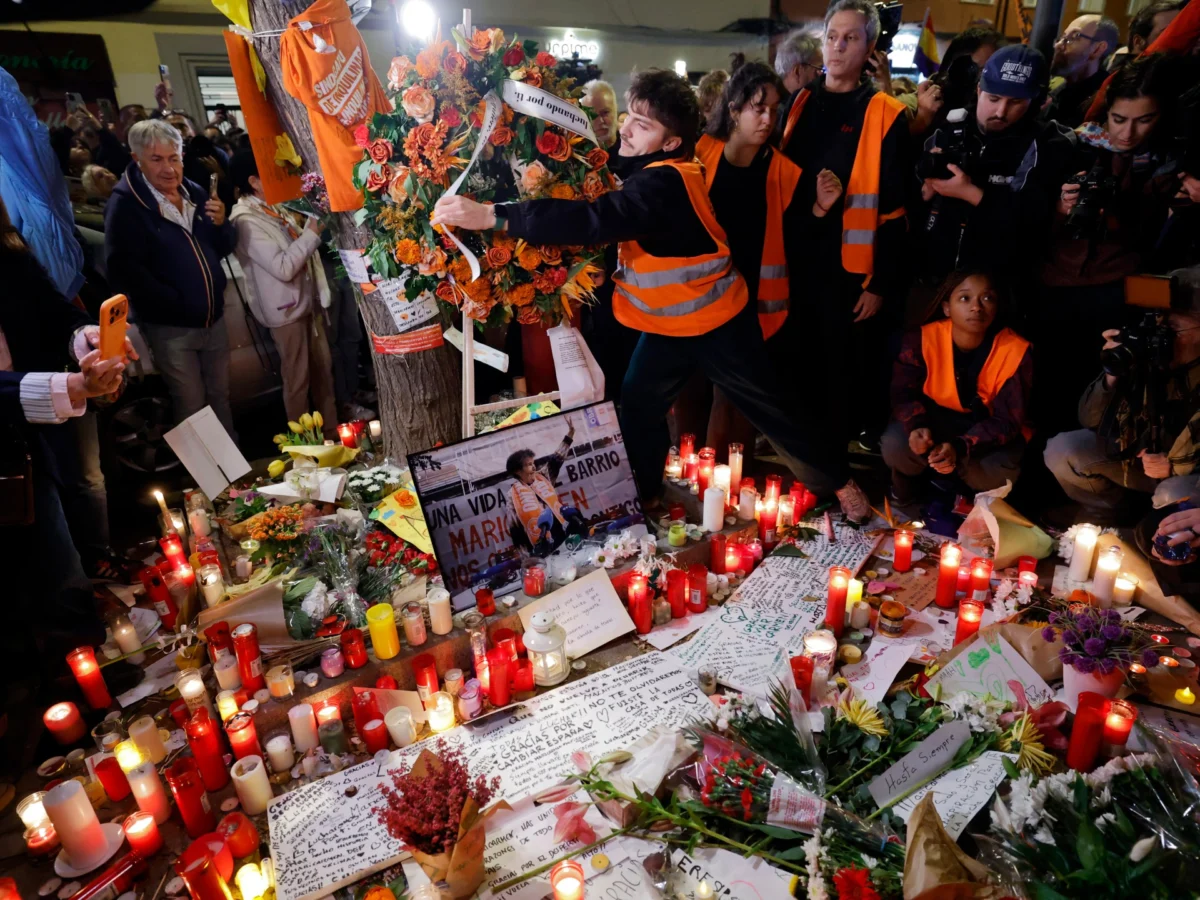
Thousands of protesters gathered across Spain to honor the life of Maricarmen Abascal, an 87-year-old symbol of civic resistance whose death reignited street demonstrations and debate within the country’s parliament. Her passing has become a focal point for both public mourning and political discourse, with tributes offered inside legislative chambers even as crowds took to the streets in her memory.
The wave of demonstrations reflects deep currents in Spanish society, where Abascal’s legacy has been interpreted in markedly different ways by different groups. Parliament convened special sessions to acknowledge her contributions, though the tone and substance of those tributes varied considerably, hinting at broader ideological divides. Meanwhile, public squares filled with candles, flowers, and portraits of Abascal, underscoring how her personal story became tied to larger questions of civic engagement and civic memory.
Key Facts
- Maricarmen Abascal was 87 years old at the time of her death.
- Thousands of protesters gathered to honor her life.
- Tributes were delivered inside the Spanish parliament.
- Her death sparked renewed debate among lawmakers and citizens alike.
- She was widely recognized as a protest symbol in Spain.
Who Is Affected by This Story?
Maricarmen Abascal’s death affects several distinct constituencies. First, there are the protesters and civic groups who saw her as a voice for ordinary citizens, many of whom felt she gave them representation they otherwise lacked. These communities now face a leaderless moment, uncertain whether their movement will coalesce around a new figure or disperse without one.
Second, Spanish lawmakers are grappling with how to publicly commemorate someone whose activism crossed partisan lines. Parliament’s official tributes were matched by sharp remarks from opposition members, reflecting how Abascal’s work stirred both admiration and criticism. This dynamic suggests that her legacy remains contested rather than universally accepted.
Third, the broader public is watching closely as their own views on civic participation are mirrored—or challenged—by the reactions around them. The mix of mourning and argument indicates that Abascal touched nerves far beyond any single policy issue, making her death a moment of national reflection rather than just local grief.
How Did We Get Here?
Maricarmen Abascal first entered public consciousness decades ago, long before she became a protest symbol. Over the years, she built a profile through sustained civic involvement that eventually drew the attention of national media. Her longevity—reaching 87—meant that multiple generations came to associate her name with persistent advocacy.
As Spain’s political landscape shifted, so did the visibility of her work. The turning point appears to have come when her efforts received formal acknowledgment from parliament, which in turn drew renewed public interest. From that moment, her presence at demonstrations and civic events grew, until her death now marks not merely the loss of an individual but the symbolic close of an era for some supporters.
What Happens Next?
In the coming weeks, Spain’s political parties will likely continue debating how to formally remember Abascal amid ongoing protests. Funeral arrangements, if public, may draw further crowds and could become additional sites of civic expression. Whether new leaders emerge from the protest movement or whether parliament’s tributes lead to lasting policy discussions remains unclear.
Media outlets aligned with different political perspectives will also shape how Abascal’s story is told, and those narratives may influence voter sentiment ahead of future elections. International observers may watch these developments as a case study in how grassroots activism evolves under democratic pressure.
What We Know — and What We Don’t
Verified by the source:
- Maricarmen Abascal was 87 years old when she died.
- Thousands of people protested to honor her life.
- Official tributes were offered in the Spanish parliament.
- Her death sparked debate both inside and outside of government.
Still unconfirmed:
- The specific cause of Maricarmen Abascal’s death.
- The exact number of protesters who attended memorial events.
- The precise content of parliamentary tributes or which parties supported them.
- Whether future protests or memorials are planned.
Why It Matters
The intersection of civic memory and political symbolism often shapes how societies process collective loss. When a figure like Maricarmen Abascal becomes both a street presence and a parliamentary mention, it signals that public sentiment is pressing against institutional boundaries. This tension defines much of modern democratic life, where personal stories become part of national conversations.
Related coverage can be found in our politics and war-geopolitics archives, which track how civic movements evolve alongside state responses.
What To Watch
Official statements about Maricarmen Abascal’s legacy are expected to continue flowing from parliament, and any future memorials will offer another window into how Spain reconciles personal activism with public ceremony. Analysts say the coming months will test whether her symbolic role translates into lasting political influence.