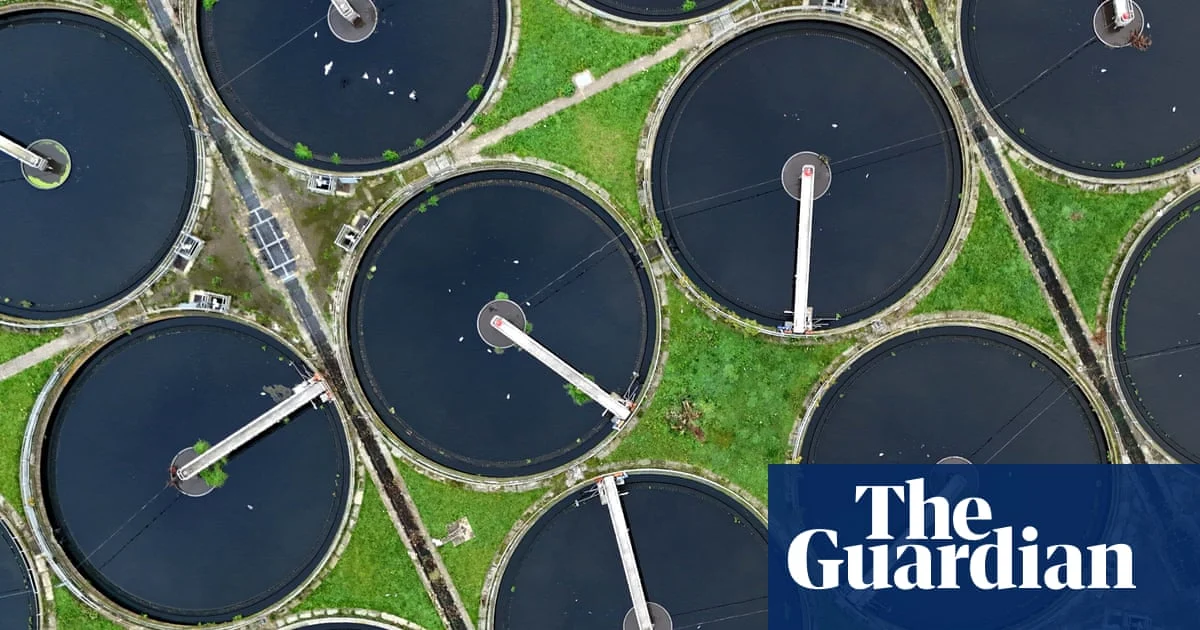
UK utility companies earned more than £340m last year from accepting industrial and commercial wastewater at sewage treatment facilities that experts say cannot adequately remove many chemical pollutants. The wastewater trade involves legally mandated arrangements where water companies must accept trade effluent under permits, though they retain the right to refuse applications. This lucrative but environmentally risky system channels billions of litres of chemical-laden wastewater into treatment infrastructure not designed to handle complex pollutants.
The arrangement stems from regulatory requirements obligating water companies to process industrial wastewater, yet these consents often overlook the broader environmental impact. Chemicals that survive treatment pass into rivers, seas, and farmland, raising concerns among environmental experts about long-term contamination and ecosystem damage.
Key Facts
- UK water companies earned over £340m from wastewater processing in 2023.
- Billions of litres of industrial and commercial wastewater are sent to sewage treatment works annually.
- Experts say treatment works are not designed to remove most chemical pollutants.
- Water companies are required by law to accept industrial wastewater under permit systems.
- Despite legal obligations, companies can refuse trade-effluent consent applications.
How the Wastewater Trade Works
Water companies operate under statutory duties to accept industrial and commercial wastewater, known as trade effluent, provided businesses obtain the necessary permits called trade-effluent consents. These consents outline acceptable levels and types of waste, but enforcement gaps may exist. While companies can legally reject applications, doing so risks limiting revenue streams tied to the wastewater trade. The system creates financial incentive for utilities to accept high volumes of wastewater, even when treatment capabilities fall short of removing harmful chemicals.
The volume of wastewater processed varies widely depending on industrial activity and regional demand. However, the core issue lies in the mismatch between what treatment plants were built to handle and what industries now send them. Conventional sewage works focus primarily on organic matter and basic contaminants, leaving many synthetic chemicals untouched.
Environmental Risks and Regulatory Gaps
When chemical pollutants pass through treatment systems undetected or untreated, they enter natural water bodies and surrounding environments. Rivers, coastal waters, and agricultural land may absorb these substances, potentially affecting wildlife, drinking water supplies, and public health over time. Experts warn that current infrastructure lacks the advanced filtration or decomposition methods needed to neutralise many modern industrial compounds.
Regulators have not publicly disclosed comprehensive assessments of pollutant concentrations entering ecosystems via this trade. Meanwhile, water companies continue profiting from the wastewater trade, creating tension between commercial interests and environmental stewardship. Calls for stricter oversight and upgraded treatment technologies are growing amid rising public concern.
What We Know — and What We Don’t
Verified by the source:
- Water companies made over £340m from processing industrial and commercial wastewater.
- Treatment works are reportedly unable to remove many chemical pollutants.
- Water companies are legally required to accept industrial wastewater.
Still unconfirmed:
- Exact quantities of pollutants released into specific waterways.
- Names of water companies involved or individual profit figures.
- Whether all chemical contaminants pose measurable ecological harm.
Why It Matters
This wastewater trade highlights systemic flaws in how the UK balances industrial growth with environmental protection. As communities face increasing pressure from pollution and climate change, transparent reporting and upgraded infrastructure become essential for safeguarding public and ecological health.
What to Watch
Regulatory responses and potential legislative reforms aimed at strengthening wastewater oversight are expected as scrutiny intensifies around the environmental costs of the trade.
Meta description: UK water companies earned £340m from wastewater processing that fails to remove many chemical pollutants.
Explore more on climate environment and economy markets.