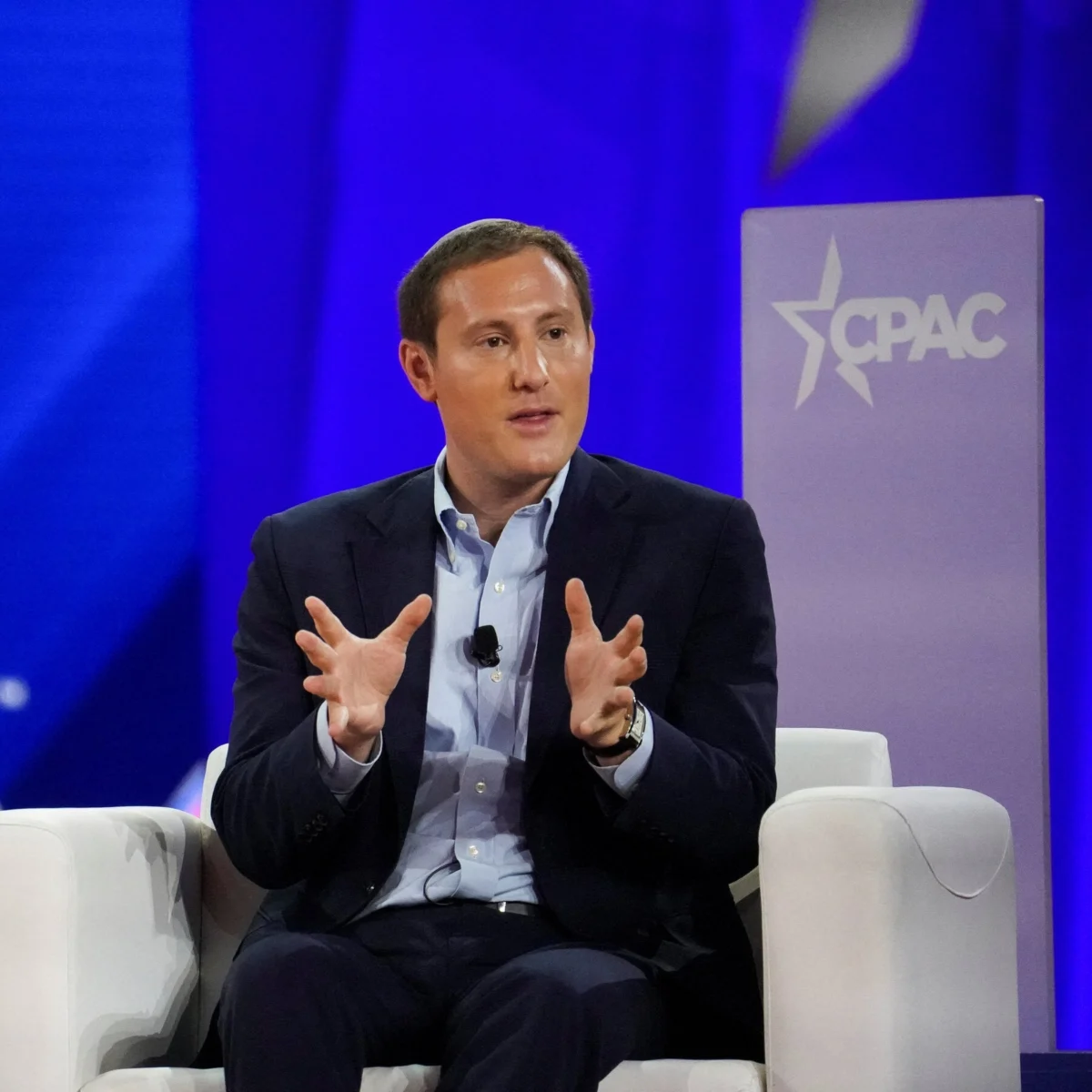
A top aide to U.S. Ambassador Mike Huckabee suppressed and altered reports critical of Israel, skewing information to portray the Netanyahu government in a favorable light, according to multiple officials and documents obtained by The New York Times. The actions, described as deliberate efforts to influence perception, raise questions about how U.S. diplomatic communications handle sensitive foreign policy matters. The aide’s role involved reviewing and editing outgoing cables and summaries related to Middle East policy.
These reported edits occurred amid ongoing tensions between the United States and Israel over regional security and diplomatic strategy. Altering official reports could affect internal policymaking and inter-agency coordination within the U.S. government. The Times’ investigation reportedly drew on interviews with current and former U.S. officials familiar with embassy operations.
Key Facts
- A top aide to Ambassador Mike Huckabee altered reports to favor the Netanyahu government.
- The altered reports were critical of Israel before being changed, per officials.
- Documents and multiple officials confirmed the suppression of critical information.
- The source of the reporting is The New York Times, citing internal embassy materials.
- The edits reportedly aimed to portray Israeli leadership in a more favorable light.
What Did the Suppressed Reports Contain?
The original reports allegedly included assessments critical of Israeli government policies or actions, which were then softened or removed during the editing process. These changes may have altered the factual record presented to Washington-based decision-makers. Without access to the unaltered versions, it remains unclear what specific events or statements triggered the modifications. However, the existence of such edits suggests a proactive effort to manage narrative flow from the U.S. Embassy in Israel.
The function of an ambassador’s staff typically includes preparing briefings, analyzing regional developments, and transmitting insights back to the State Department. When that transmission chain involves selective filtering, it can distort understanding among senior officials who rely on ground-level reporting for strategic decisions. This dynamic becomes especially significant given the historically close U.S.–Israel relationship and frequent public disagreements between administrations and the Netanyahu government.
How Did We Get Here?
The situation reflects broader concerns about transparency and accuracy within diplomatic channels under increased political pressure. U.S. embassies routinely tailor language for domestic audiences while maintaining factual integrity, but the allegations suggest a deeper intervention—editing out entire critiques rather than adjusting tone. According to The Times, the aide worked closely with political appointees, potentially blending policy advocacy with intelligence-gathering functions traditionally separated in career diplomacy.
This blurring of roles has sparked debate inside the Foreign Service about whether appointees should oversee classified reporting. Career diplomats often emphasize neutrality and precision in their dispatches, particularly when covering volatile regions like the Middle East. If confirmed, these claims point to internal friction not only between the U.S. and Israel but also within the American diplomatic corps itself.
What Happens Next?
It is currently unknown if any formal inquiry will follow the publication of these findings. Calls for accountability may emerge from Congress or the State Department depending on verification efforts. Meanwhile, similar questions regarding other posts abroad could surface if patterns of communication control are investigated further. For now, the episode underscores mounting scrutiny around how embassies represent both factual realities and national interests simultaneously.
What We Know — and What We Don’t
Verified by the source:
- A top aide to Ambassador Mike Huckabee reportedly edited reports to favor the Netanyahu government.
- Multiple officials and documents were cited as sources for The New York Times’ reporting.
- The changes involved suppressing information critical of Israel.
- The reporting focused on activities linked to the U.S. Embassy in Israel.
- The goal appeared to be presenting the Netanyahu government in a more favorable light.
Still unconfirmed:
- The specific content of the original, unmodified reports.
- Names and titles of the officials who raised concerns internally.
- Whether any disciplinary action was taken against the aide.
- Exact timing of when these alterations occurred.
- Official responses from the State Department or Ambassador Huckabee.
Why It Matters
Accurate diplomatic reporting ensures that policymakers act on reliable data, especially in conflict zones where misinformation can have severe consequences. When reports are altered to suit political preferences, it risks undermining trust in U.S. foreign policy credibility and distorting strategic outcomes abroad. This issue resonates beyond bilateral ties, touching core principles of democratic governance and transparent governance.
What to Watch
Stakeholders are watching whether the State Department launches an internal review into embassy-level communications practices. Any future disclosures from additional whistleblowers or declassified records may shed further light on similar incidents across other diplomatic missions. Stay tuned for updates as developments unfold.