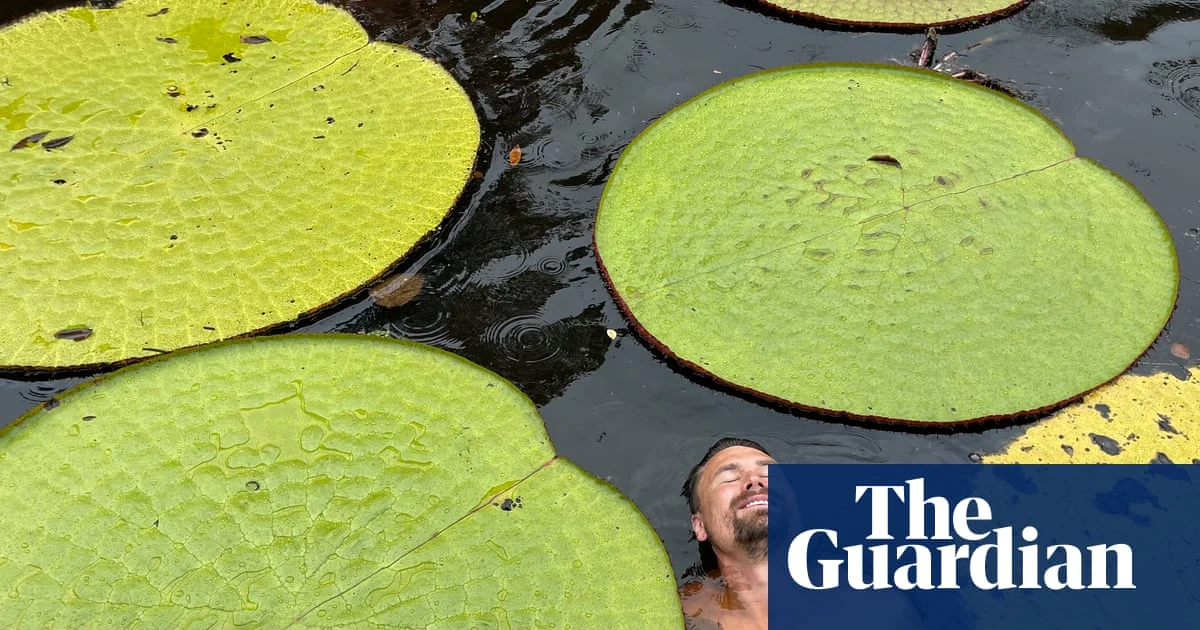
A chance plant selfie taken in the Colombian jungle led to the discovery of a new species of giant waterlily, which is already considered critically endangered. The plant is so large it can be seen from space, and researchers say plans are underway to protect it. The discovery highlights both the potential of social media to aid scientific findings and the urgent threat facing newly identified species in biodiverse regions.
- A new giant waterlily species was discovered in the depths of Colombia’s jungle.
- A plant selfie shared on social media triggered the chance encounter that led to the discovery.
- The giant waterlily is already critically endangered, researchers say.
- Its large leaves are visible from space, according to the report.
- Plans are afoot to protect the species, though details remain limited.
**What happens next?** Conservation plans are reportedly being developed to protect the giant waterlily, but specific measures and timelines have not yet been detailed. Given its critically endangered status, experts are expected to prioritize habitat protection and possibly seed collection efforts. The urgency stems from the fact that the plant’s extreme size and visibility from space does not shield it from threats like deforestation and climate change.
Discovery in the depths of Colombia’s jungle suggests the area may host other undocumented species, especially among aquatic plants and canopy flora. The giant waterlily itself plays a role in its ecosystem, potentially stabilizing waterways and providing habitat for wildlife. Its leaves, which can be seen from space due to their size, indicate the plant thrives in openwater environments, possibly oxbow lakes or seasonal floodplains. Understanding its natural habitat is key to designing effective conservation strategies.
**Who is affected?** The giant waterlily is part of Colombia’s rich tropical biodiversity, which faces increasing pressure from agriculture, mining, and infrastructure development. Indigenous communities and local populations living near the jungle may rely on these ecosystems for resources, making conservation efforts a shared responsibility. Additionally, global climate scientists and botanists benefit from new species discoveries, as they expand understanding of plant diversity and ecological resilience.
What We Know
- Verified by the source: A new giant waterlily species was discovered in Colombia after a plant selfie was posted online.
- Verified by the source: The species is already classified as critically endangered.
- Verified by the source: Its leaves are large enough to be seen from space.
- Verified by the source: Plans are underway to protect the species.
What We Don’t
- Still unconfirmed: The exact location of the discovery within the Colombian jungle.
- Still unconfirmed: The name or number of researchers involved in the finding.
- Still unconfirmed: Specific protections or legislation being considered for the species.
- Still unconfirmed: How long the species has existed undetected prior to this discovery.
This discovery underscores how everyday actions like taking a plant selfie can unexpectedly contribute to scientific breakthroughs. At the same time, it reveals the fragility of biodiversity hotspots, where species can be found and threatened within a short span. For readers concerned with environmental loss, the story illustrates the importance of preserving jungle ecosystems that still harbor unknown life forms.
Scientists and conservation groups will likely continue surveying the area for more specimens, and updates on protection efforts may emerge in the coming months. The giant waterlily may also be studied for its unique biology, given its extraordinary leaf size and visibility. As climate change and habitat destruction intensify, discoveries like this one emphasize the need for rapid response in documenting and safeguarding vulnerable species.
Read more in war-geopolitics | Explore climate-environment news