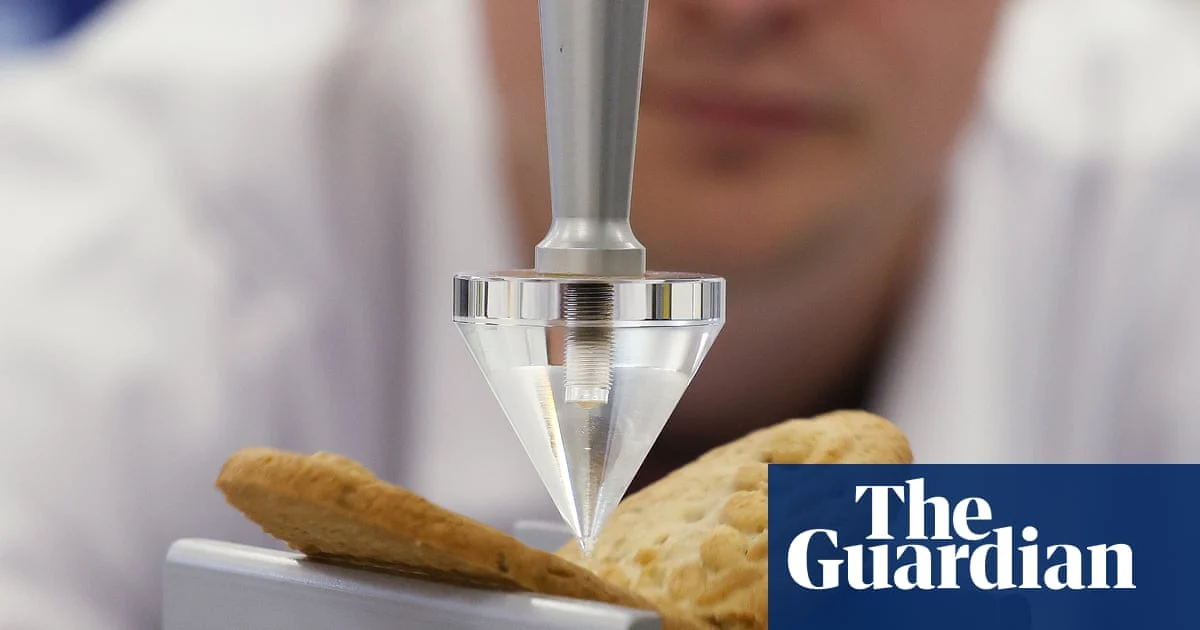
Healthy eating rules are forcing brands to recook their recipes. Bite into a Ritz cracker today and you’re eating 80% less saturated fat than you would have been just a few years ago. The biscuit looks and snaps the same, and tastes close enough that most buyers have no idea they’re eating a new recipe.
One of the biggest changes was swapping palm oil for sunflower oil, but there was much more to it than that. The reformulation took years to perfect in a laboratory, where scientists tested everything from density to how the cracker responds to heat, moisture and packaging.
Key Facts
- 80% less saturated fat in a Ritz cracker today compared with a few years ago
- Palm oil replaced with sunflower oil in the reformulation
- Reformulation required years of laboratory testing on density, heat, moisture and packaging response
- Snack appearance and texture remain unchanged after reformulation
- Most consumers do not notice the recipe change
The Story: How Snacks Are Being Changed
The push to lower saturated fat comes from government healthy‑eating regulations that apply to packaged foods. Manufacturers have responded by altering the fat profile of popular biscuits and crackers, aiming to meet nutritional targets without sacrificing the sensory qualities that shoppers expect.
Replacing palm oil with sunflower oil was a central step, but the process involved more than a simple swap. Product developers examined how the new oil affected the dough’s density, how the baked product behaved under heat, how moisture migrated during storage, and whether the packaging maintained crispness.
Testing continued over several years in laboratory settings, iterating on formula adjustments until the final product matched the original in appearance, snap, and taste. The goal was to make the change invisible to the average buyer, and internal sensory panels reported that most tasters could not detect a difference.
What We Know — and What We Don’t
Verified by the source:
- Ritz crackers now contain 80% less saturated fat than a few years ago
- Palm oil has been replaced by sunflower oil in the reformulation
- The reformulation process lasted years and involved lab testing of density, heat, moisture and packaging response
- Appearance, snap and taste of the snack remain essentially unchanged
- Most consumers are unaware that the recipe has changed
Still unconfirmed:
- Exact timeline of when the reformulation began and ended
- Whether other snacks besides Ritz crackers have undergone similar changes
- Specific regulatory thresholds that triggered the 80% reduction target
- Consumer sales impact after the reformulation
- Any plans for further nutrient reductions in future product updates
Why It Matters
The changes illustrate how public‑health policy can reshape everyday foods without alerting shoppers, potentially lowering population‑level saturated‑fat intake while preserving market acceptance of beloved snacks.
What To Watch
Future government updates on nutrition labelling or reformulation incentives may reveal whether other snack categories follow a similar path, and market research could show whether consumer attitudes shift once the changes become more widely known.