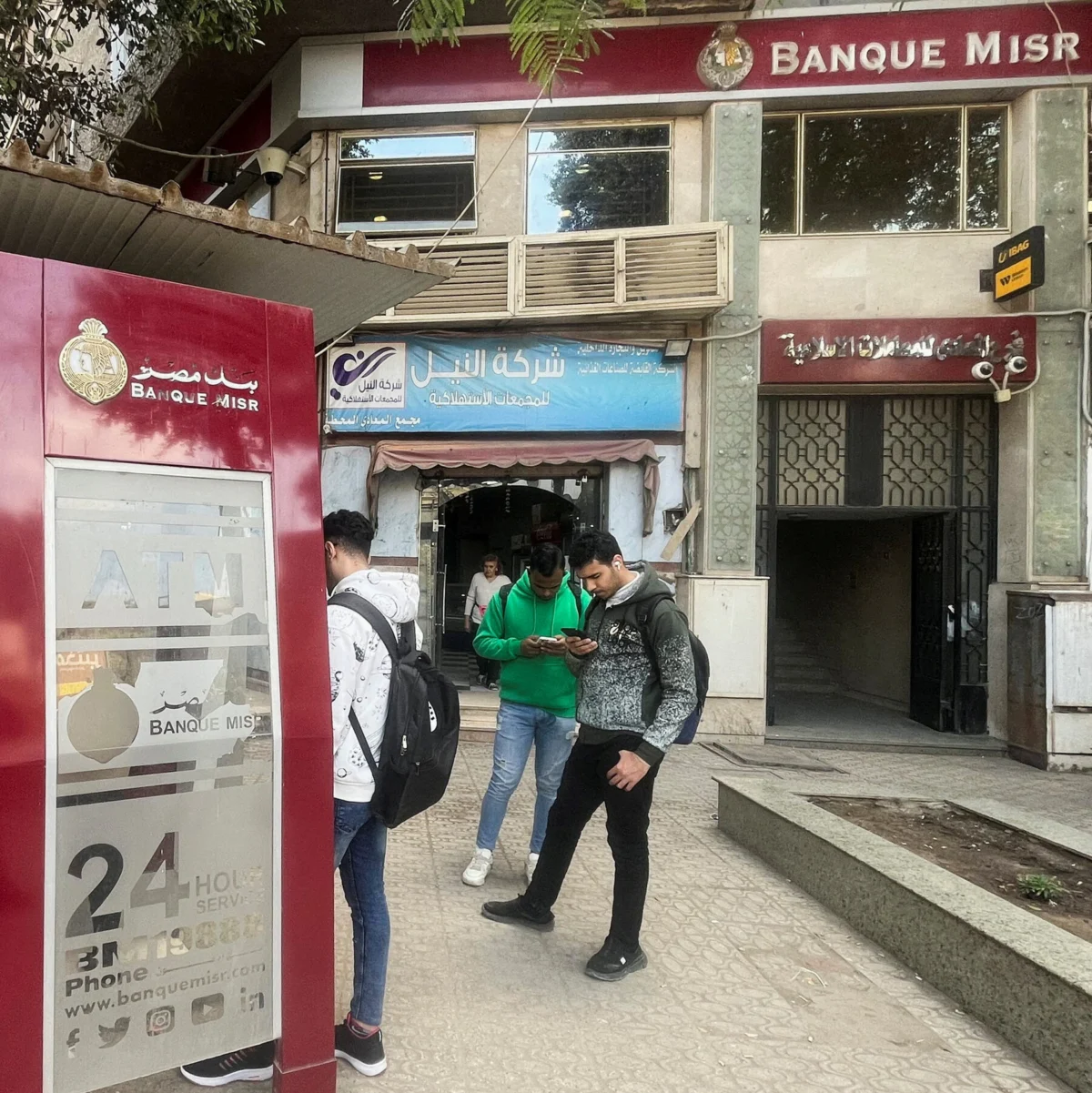
The United Arab Emirates (U.A.E.) will review operations of Banque Misr’s local branches after the U.S. Treasury Department accused them of facilitating transactions for Iran, according to NYT > World News. The Emirati central bank pledged the examination in response to the sanctions designation, which adds to growing scrutiny of financial networks linked to Iran.
KEY FACTS
- The U.S. Treasury Department accused Banque Misr‘s U.A.E. branches of assisting Iran.
- The U.A.E. central bank committed to reviewing the bank’s activities.
- The action stems from sanctions targeting Iranian financial networks.
What prompted the U.A.E. review?
The U.S. Treasury’s allegation that Banque Misr’s Emirati branches facilitated transactions benefiting Iran triggered the U.A.E. central bank’s response. While details of the alleged activities were not disclosed, the move signals the U.A.E.’s alignment with U.S.-led sanctions enforcement against Iran. Banks operating in the U.A.E. face strict compliance requirements due to the country’s role as a global financial hub.
Why sanctions matter to regional banks
Middle Eastern banks often navigate complex geopolitical pressures, particularly involving Iran. The U.A.E., home to major financial centers like Dubai and Abu Dhabi, has historically balanced business ties with adherence to international sanctions. A review of Banque Misr—an Egyptian state-owned bank with a regional presence—could affect cross-border banking relationships. Violations may result in fines, restrictions, or loss of correspondent banking access.
WHAT WE KNOW — AND WHAT WE DON’T
Verified by the source:
- Banque Misr’s U.A.E. branches were named in U.S. sanctions related to Iran.
- The U.A.E. central bank pledged to examine the bank’s operations.
Still unconfirmed:
- The specific transactions or Iranian entities involved.
- Whether Banque Misr will face penalties beyond the review.
- The timeline for the U.A.E. central bank’s examination.
WHY IT MATTERS
This case underscores how U.S. sanctions ripple through global banking, compelling even neutral financial hubs like the U.A.E. to act. For banks with regional ties, balancing compliance with business needs remains a high-stakes challenge. Escalating sanctions against Iran could further strain cross-border banking in the Middle East.
WHAT TO WATCH
The outcome of the U.A.E. central bank’s review and any potential enforcement actions against Banque Misr. Further U.S. sanctions designations targeting Middle Eastern banks may follow.