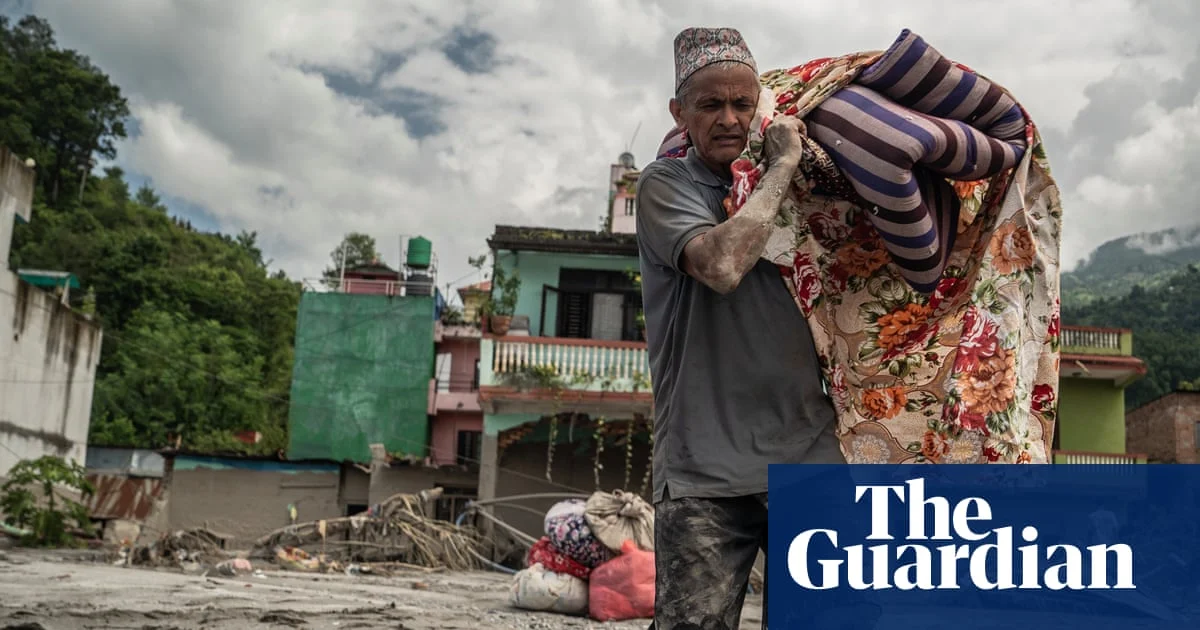
Deadly flash floods have ravaged Nepal and Tibet, with hundreds killed and entire villages swept away as swollen rivers engulfed Himalayan valleys. Survivors are now returning to the remains of their homes as the death toll continues to climb.
In Devighat, located along the Trishuli River, residents fled to higher ground after waters rose rapidly. Morgues have reportedly run out of space as bodies continue to wash up in the aftermath. The floods left behind thick, tar-like mud that has complicated recovery efforts.
Key Facts
- The death toll from the Nepal-Tibet floods stands at 797 as of Sunday.
- Residents of Devighat were forced to evacuate as the Trishuli River swelled dangerously.
- Bodies continue to surface in the flood zones, overwhelming local morgues.
- Thick mud left by receding waters has slowed search and recovery operations.
Who is affected?
Communities along the Trishuli River in Nepal and nearby Himalayan valleys in Tibet have suffered catastrophic damage. Many residents lost homes and belongings in the sudden floods, with some now facing the grim task of identifying recovered bodies. The situation highlights the ongoing risk of living in flood-prone areas near rapidly swelling rivers, particularly in mountainous regions where terrain can intensify disaster impacts.
What happens next?
With the immediate flood threat passed, attention turns to recovery operations and assisting displaced survivors. The high number of casualties presents logistical challenges for authorities dealing with body storage and identification. Local officials will need to assess long-term risks for communities considering rebuilding in vulnerable riverside locations. Climate experts warn such extreme weather events may become more frequent in the region.
What We Know — and What We Don’t
Verified by the source:
- At least 797 people have died in Nepal and Tibet from the floods
- Devighat residents fled rising waters of the Trishuli River
- Bodies continue to be found in flood zones
- Morgues have reached capacity
Still unconfirmed:
- The exact number of missing persons
- Full extent of property damage
- Causes behind the sudden flood surge
- Long-term relocation plans for displaced communities
Why It Matters
These devastating floods underscore the acute vulnerability of Himalayan communities to extreme weather events. As climate change increases precipitation variability in mountain regions, residents living near rivers face growing risks. The tragedy also highlights infrastructure and emergency response limitations in remote areas where disasters can quickly overwhelm local capacities.
What To Watch
Officials will continue updating casualty figures as more bodies are recovered. Attention will focus on how the Nepalese and Tibetan authorities manage the humanitarian crisis, including shelter for the displaced and plans to rebuild safer communities. For more on similar events, see our geopolitics coverage.