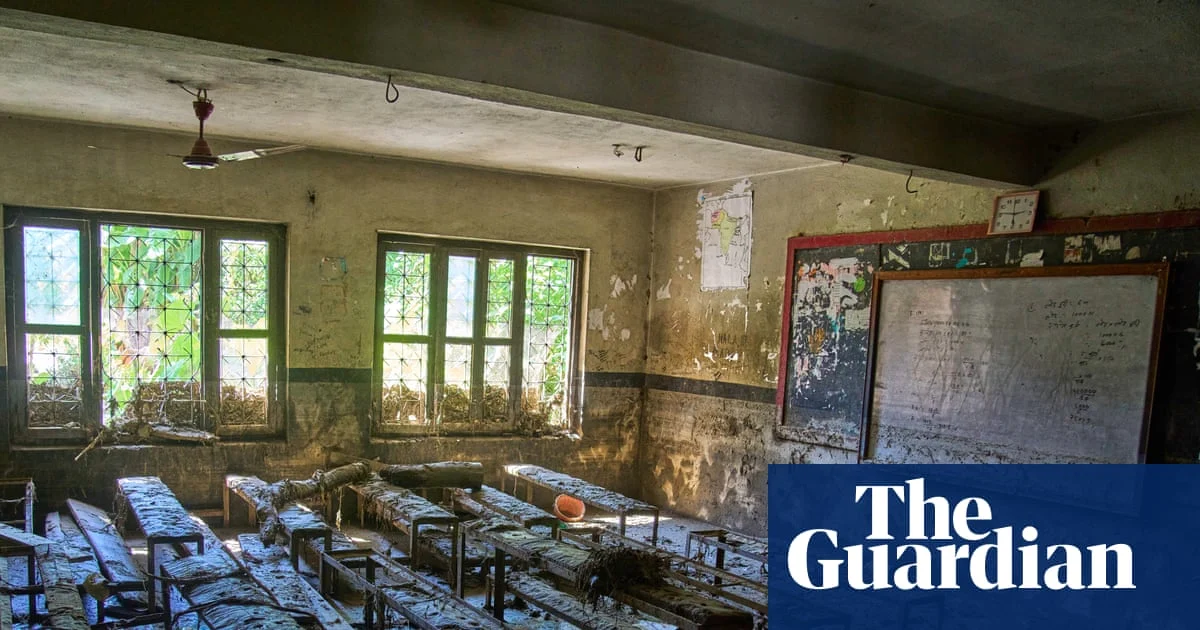
Rajendra Dawadi, a headteacher in Nepal, saved approximately 900 children by evacuating them to higher ground moments before a devastating flash flood struck their school. The disaster has claimed nearly 800 lives nationwide, with thousands more reported missing.
KEY FACTS
- Rajendra Dawadi ordered the evacuation after receiving warnings about impending flooding.
- The flash flood hit shortly after the school was cleared, sparing all 900 children.
- Nepal’s ongoing floods have killed approximately 800 people with thousands missing.
HOW THE EVACUATION UNFOLDED
When Dawadi received upstream warnings about the scale of flooding, he immediately halted classes and directed students to move to safer, elevated terrain. The decision came with little time to spare – a wall of water soon inundated the school grounds and surrounding town. No specific timeline is given for how quickly the floodwaters arrived after the evacuation.
THE BIGGER PICTURE
This rescue occurred amid Nepal’s worst monsoon flooding in years. Flash floods are particularly dangerous in mountainous regions where water accumulates rapidly in valleys. Climate scientists warn that extreme rain events are becoming more frequent in South Asia. Read more about climate-related disasters.
WHAT WE KNOW — AND WHAT WE DON’T
Verified by the source:
- The headteacher successfully evacuated all students before flooding hit
- The national death toll stands at approximately 800
Still unconfirmed:
- The exact timing between warning and flood arrival
- Current conditions in the surrounding community
- Whether the school building sustained damage
WHY IT MATTERS
This event highlights both the increasing threat of climate-fueled disasters and the life-saving importance of emergency preparedness systems. The headteacher’s quick thinking demonstrates how localized warning systems can prevent tragedies.
WHAT TO WATCH
Recovery efforts continue across Nepal as authorities assess the full extent of flood damage. The story may develop as more information emerges about missing persons and infrastructure losses.