At 0900 hrs on June 16, a sudden gust slammed the seaside resort of Nha Trang, snapping a marquee and spilling rain onto dozens of tourists still sipping coconut water. The incident is a vivid snapshot of how typhoon season is reshaping Vietnam’s coastal travel.
Vietnam’s tourism ministry reported that in the past three weeks, at least five tropical depressions have brushed the South China Sea, prompting the cancellation of 12 cruise itineraries and the evacuation of more than 7,000 beach‑goers.
Why does this matter?
Vietnam accounts for roughly 14 % of Southeast Asia’s inbound tourism, worth an estimated $18 billion annually. Disruptions during the peak summer months bite not just local vendors, but global travel agencies and cruise operators that rely on the country’s 1,200 km of protected shoreline.
Airlines have already trimmed flights to Da Nang and Phu Quoc, while ferry services to the Spratly‑adjacent islands are suspended until a fresh weather bulletin clears the sea lanes.
What happens next?
The Vietnam Meteorological Agency issued a yellow warning for the central coast, urging “preventive measures” for upcoming storms forecasted to peak in late June. Cruise companies such as Costa and Princess have re‑routed vessels to the Philippines or delayed departures by up to 48 hours.
Local authorities in Khanh Hoa province erected temporary shelters in schools and community centers, a move praised by the World Travel & Tourism Council as a best‑practice response.
Travel agents on the ground warn that bookings for beach resorts may drop 20‑30 % this quarter, a slump that could ripple through the broader economy.
Who is affected?
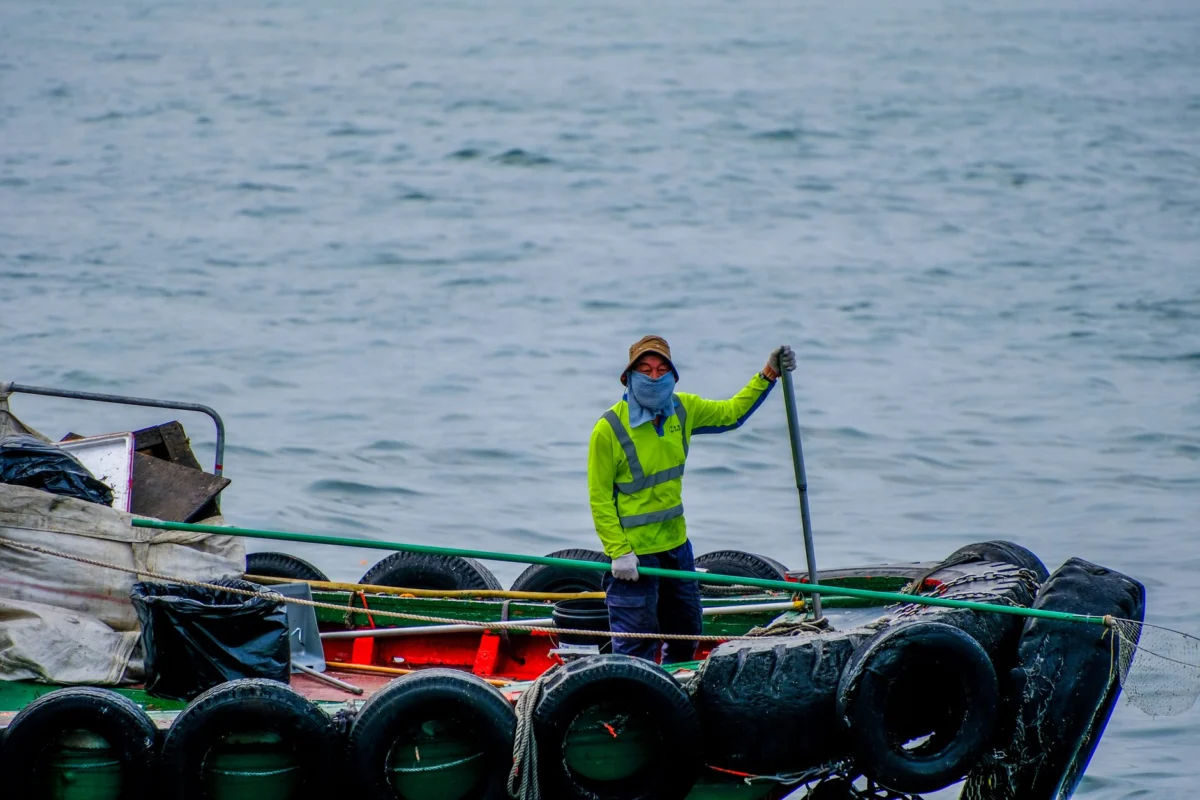
Small‑scale fishermen, who supplement income by renting boats to tourists, face lost earnings of up to $1,200 per family per month. International tourists, meanwhile, confront refunds, missed flights and packed itineraries.
Insurance firms report a spike in claims related to trip interruption, signaling a potential rise in premiums for future travelers to the region.
For the broader economy and markets, the weather‑induced slowdown may erode Vietnam’s projected 7 % GDP growth for 2026, especially if the pattern repeats during the upcoming monsoon.
Why does this matter to you?
Even if you’re not planning a Vietnamese getaway, the knock‑on effects touch global supply chains, airline seat availability and travel insurance rates worldwide.
Stakeholders are already lobbying for a regional early‑warning system that would give operators a 48‑hour head start. The next bulletin could dictate whether Vietnam’s coastline remains a holiday magnet or a weather‑worn cautionary tale.
Stay tuned as meteorologists track the next system forming over the South China Sea—its path could rewrite travel plans for millions.