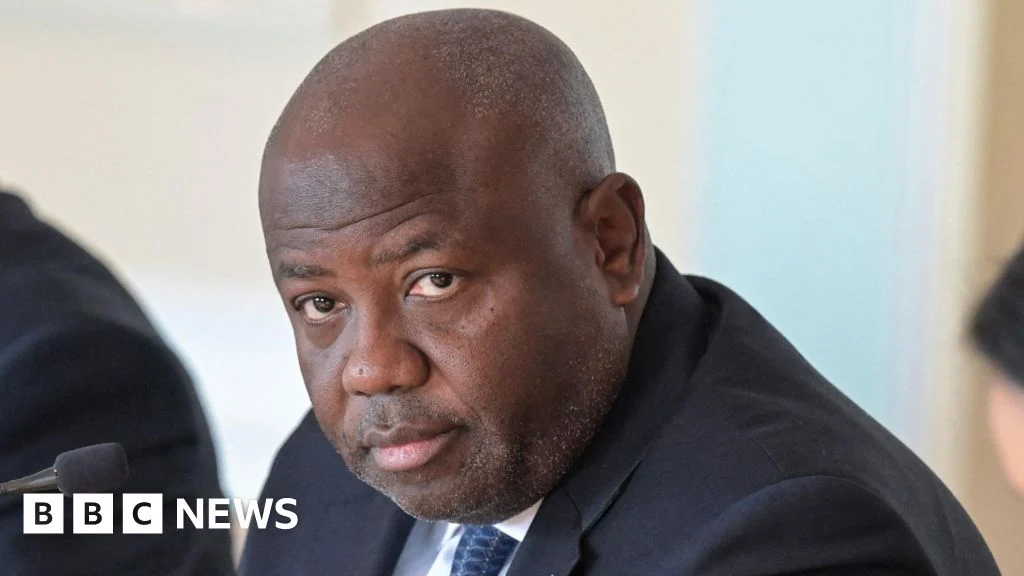
Equatorial Guinea’s cabinet walked out of the presidential palace in Malabo on Tuesday, their folders left open on mahogany desks, a silent testament to a government that admitted it had achieved only 10% of its own development targets.
Vice‑President Teodorín Nguema Obiang Mangue told reporters the administration had “barely reached 10% of the goals set for this term,” without detailing what those goals entailed.
In a stark contrast to the country’s oil‑rich image, the resignation marks the first full‑government turnover since President Teodoro Obiang Nguema Mbasogo took power in 1979.
What were the targets?
The decree announcing the resignation lists no specifics: no figures for infrastructure, education, health or diversification of the economy. Analysts say the vague 10% figure could refer to any number of benchmarks, from electricity access to diversification of non‑oil revenue.
“Without precise metrics, the claim is more political theater than accountability,” says a senior analyst at the African Development Bank, who requested anonymity.
Why does this matter?
Equatorial Guinea produces roughly 1.3 million barrels of oil per day, accounting for about 2% of global output. A sudden leadership vacuum could disrupt contracts with major energy firms, ripple through European energy markets, and stir investor nervousness across the economy and markets sector.
For ordinary citizens, the resignation could mean delays in promised projects—schools, hospitals, roads—that have already lagged behind regional averages.
Who is affected?
Oil workers, expatriate contractors, and local businesses that rely on stable policy settings are the most immediate stakeholders. International partners, notably China’s CNPC and Spain’s Repsol, have ongoing projects that could face renegotiation.
Human rights groups warn that power vacuums often precede crackdowns on dissent. The country, long criticized for poor press freedom, may tighten its grip as the new leadership seeks legitimacy.
What happens next?
President Obiang is expected to appoint a caretaker cabinet within days, but the lack of clarity on the original targets makes it difficult to gauge whether the new team will pursue the same agenda or pivot entirely.
Political observers will watch how the ruling party reshuffles its ranks, especially whether younger technocrats replace the long‑standing elite.
“The next few weeks will set the tone for Equatorial Guinea’s diplomatic and economic trajectory for the next decade,” notes a senior fellow at the Brookings Institution.
Stay tuned as the story unfolds—future developments could reshape oil supply chains and affect global energy prices.