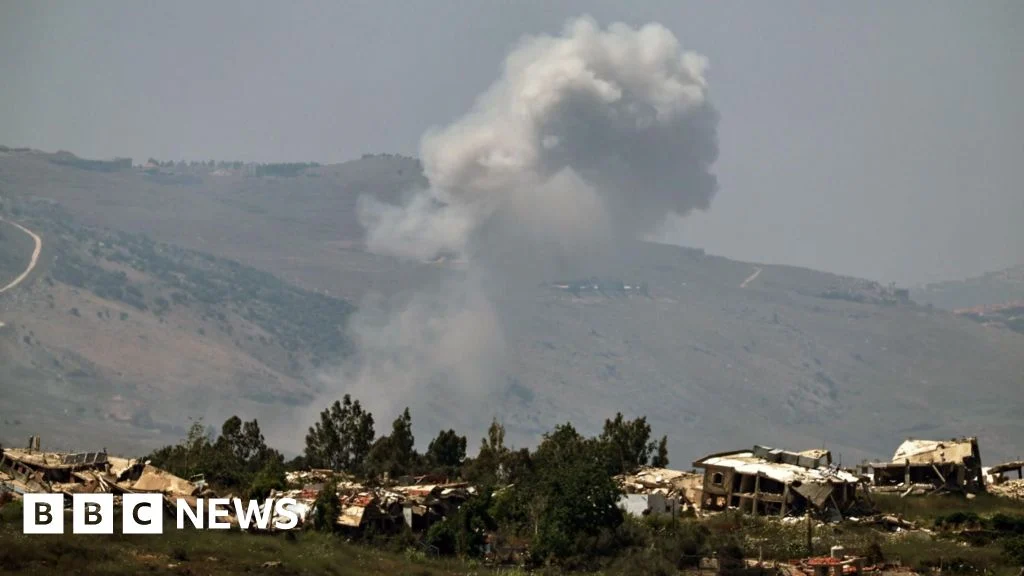
At 04:17 GMT, a Syrian-made missile exploded in the empty parking lot of a Lebanese army base in the Bekaa Valley, throwing up a plume of black smoke that could be seen from the Israeli side of the border.
That was the first of at least six strikes Israel launched on Tuesday, according to Lebanese officials, targeting what Israel described as “terrorist infrastructure” in southern Lebanon.
Trump, speaking from Mar-a-Lago, said Israel’s Prime Minister Benjamin Netanyahu needed “to be more responsible with respect to Lebanon” and warned that unchecked escalation could “drag the whole region into a wider war.”
Why does this matter?
The renewed Israel Lebanon strikes threaten to destabilise a fragile cease‑fire that has held since the 2006 war. Any spill‑over could pull in Hezbollah fighters, Iranian proxies and even U.S. forces stationed in the region, raising the risk of a broader Middle‑East conflict that would affect global oil markets and international security.
What triggered the fresh attacks?
Lebanese authorities say the Israeli raids followed a cross‑border raid by Hezbollah militants that killed two Israeli soldiers near the Shebaa Farms. Israel responded by hitting what it called “command and control centres” in the south.
Hezbollah did not immediately comment, but a spokesperson for its political wing later warned that “any further aggression will be met with proportionate force.”
Who is affected?
Beyond the combatants, civilians on both sides feel the impact. Residents of the Lebanese town of Marjeyoun reported hearing the bombings, seeing shattered windows and fleeing their homes. In Israel’s northern district, schools were placed on lockdown and dozens of families were evacuated from border settlements.
Economically, the unrest has already nudged crude oil futures up by 1.2 %, as traders price in the risk of supply disruptions through the Suez Canal and Gulf of Oman.
What happens next?
U.S. diplomats are scrambling to convey Washington’s disappointment to Jerusalem, while simultaneously warning Iran not to fan the flames. The White House has not ruled out a diplomatic push for a UN‑mediated de‑escalation.
For now, the ground troops remain on high alert, and both sides keep their artillery primed. The next few hours could determine whether the border skirmish spirals into a larger war or remains a contained flare‑up.
Stay tuned as we track diplomatic moves, on‑the‑ground reports, and market reactions to the latest war‑geopolitics flashpoint.