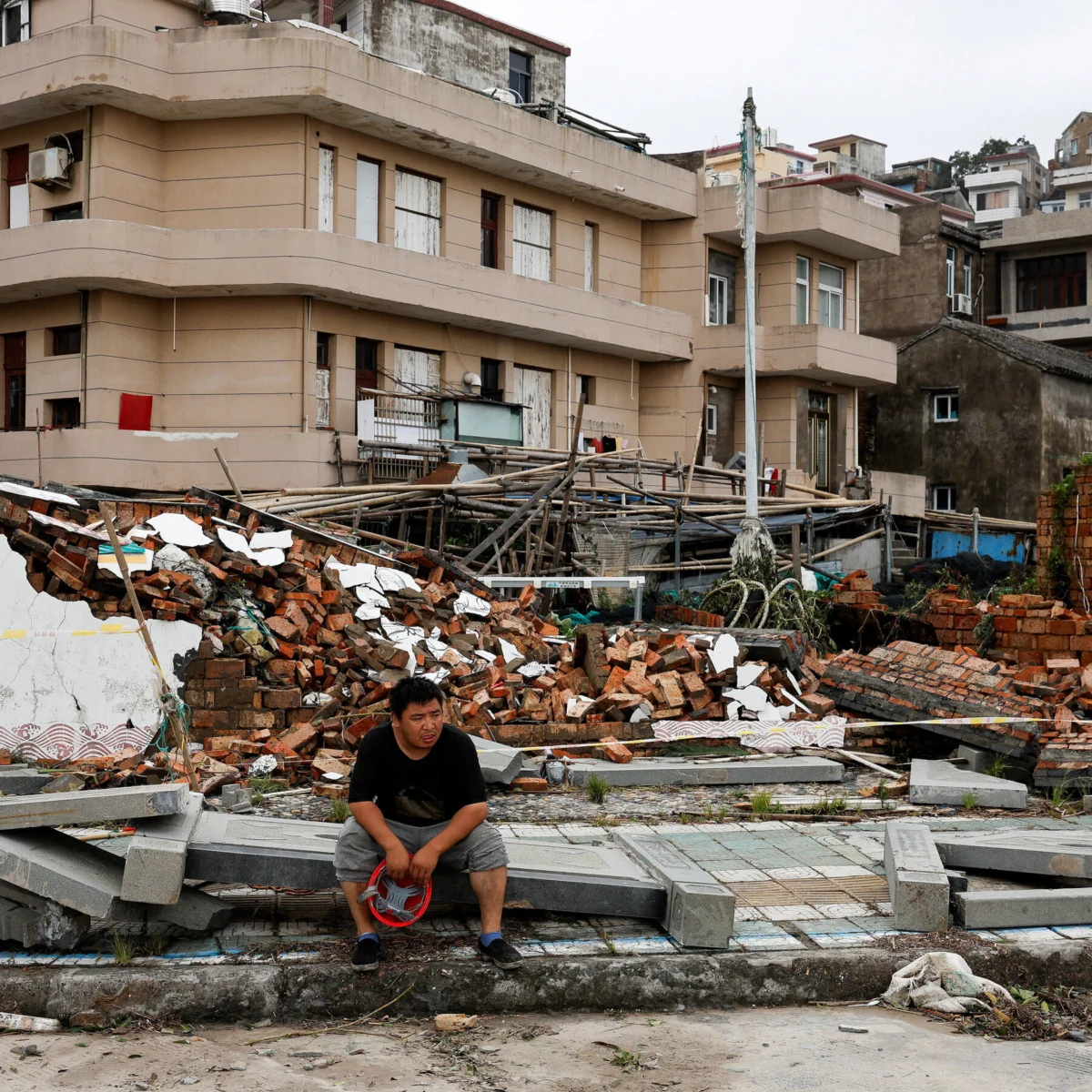
Typhoon Bavi has struck China, causing evacuations, flooding and flight delays, following deadly impacts in the Philippines.
The storm arrived after skirting Japan and hitting Taiwan, and at its largest it spanned a width comparable to France.
Key Facts
- Typhoon Bavi hit China, prompting evacuations.
- Floods and flight delays were reported after landfall.
- The storm killed 17 people in the Philippines.
- Bavi also passed near Japan and Taiwan.
- At its peak the storm was about the width of France.
What happened in China?
Authorities moved residents out of vulnerable areas as rain intensified. Airports reported delayed departures because of the weather.
Who is affected?
Travelers, coastal communities and anyone in the storm’s path faced disruption. The evacuations aimed to protect residents from rising water levels.
How did the storm develop?
Typhoon Bavi grew to a size comparable to France before reaching China, after affecting the Philippines, Japan and Taiwan.
What We Know — and What We Don’t
Verified by the source:
- Typhoon Bavi made landfall in China.
- Evacuations, floods and flight delays occurred.
- Seventeen people died in the Philippines.
- The storm also passed near Japan and Taiwan.
- Its maximum width was about the size of France.
Still unconfirmed:
- Exact numbers of people evacuated.
- Extent of damage to infrastructure.
- Duration of flight disruptions.
- Potential additional fatalities outside the Philippines.
Why it matters: Understanding Typhoon Bavi’s impact highlights the growing risk of intense tropical storms in East Asia and the need for robust emergency responses.
What to watch: Future updates on evacuation numbers and damage assessments will clarify the storm’s full impact.