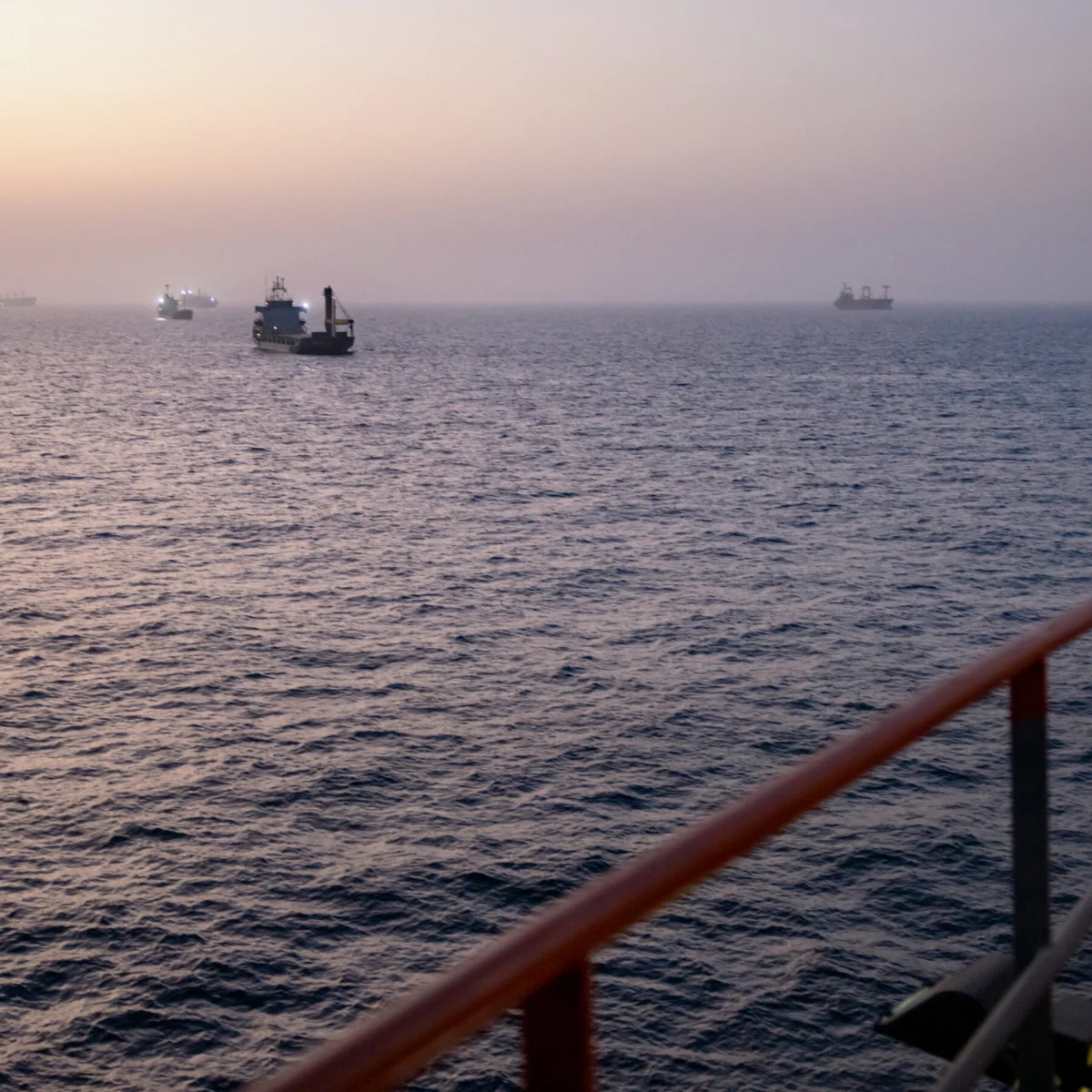
Iran targets Gulf states in retaliation after U.S. Central Command reported striking about 140 Iranian targets overnight.
The Iranian military said it fired at U.S. positions in Jordan, Oman and Qatar following the attacks, which came after Tehran attacked a ship in the Strait of Hormuz.
Key Facts
- U.S. Central Command reported hitting about 140 targets in Iran overnight.
- Iran’s military said it responded by firing at U.S. targets in Jordan, Oman and Qatar.
- The sequence began after Tehran attacked a ship in the Strait of Hormuz.
What happened?
U.S. forces conducted a series of airstrikes that, according to the U.S. Central Command, struck approximately 140 locations in Iran. The operation was described as a direct response to an earlier attack on a commercial vessel passing through the Strait of Hormuz.
In turn, Iran’s military announced it had engaged U.S. assets in three Gulf region states—Jordan, Oman and Qatar—by firing at undisclosed targets.
Who is affected?
The immediate impact concerns military forces stationed in the mentioned Gulf states and the broader security environment of the Middle East. Commercial shipping through the Hormuz corridor also remains vulnerable amid the heightened threat level.
Regional allies and adversaries are likely monitoring the exchange closely, as any further escalation could affect diplomatic and economic activities across the Gulf.
What we know — and what we don’t
Verified by the source:
- U.S. Central Command said it struck about 140 Iranian targets.
- Iran’s military claimed it fired at U.S. targets in Jordan, Oman and Qatar.
- The sequence followed an Iranian attack on a ship in the Strait of Hormuz.
Still unconfirmed:
- Exact locations and damage assessments of the U.S. strikes.
- Casualties or material losses on either side.
- Official statements from the governments of Jordan, Oman, Qatar or the United States confirming the exchanges.
- Potential diplomatic responses or sanctions that may follow.
Why it matters: The exchange underscores rising volatility in a region already fraught with strategic competition, threatening global oil flows and international security.
What to watch: Observers will be tracking official statements from the involved governments and any further military actions that could indicate whether the confrontation will expand or de‑escalate.