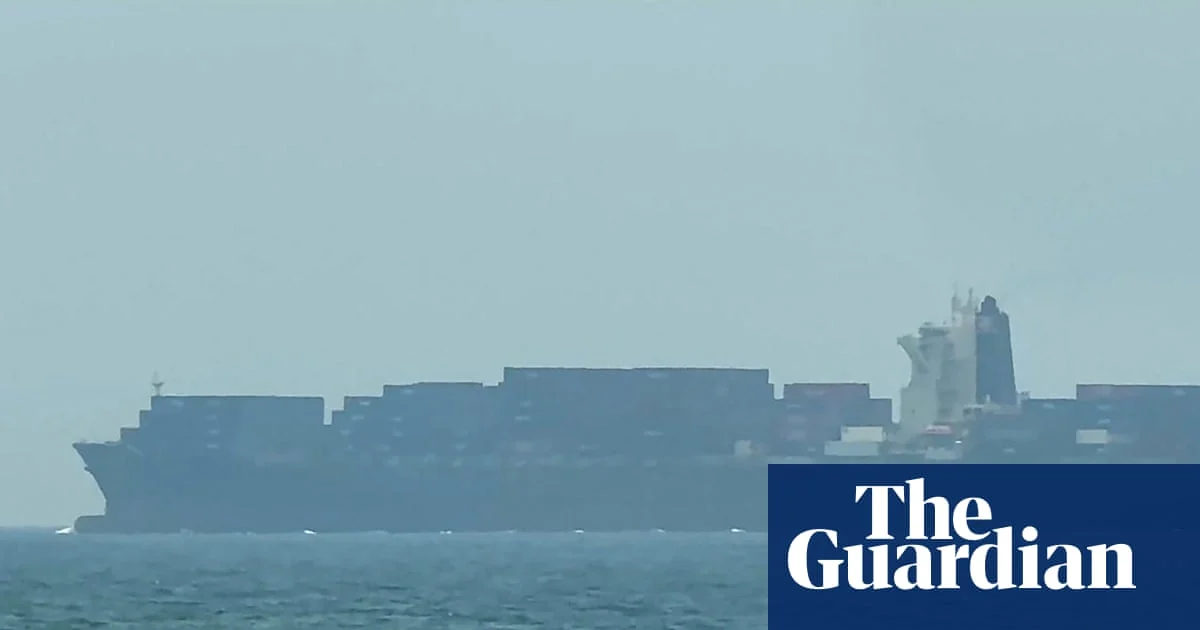
Donald Trump said Iran’s claim that the strait of Hormuz was closed was false, even as fighting over the waterway intensified.
The United States says it struck 140 Iranian targets after Tehran disabled a container ship in the strait, which Tehran said had not been approved for transit.
Key Facts
- Trump rejected Iran’s claim of a Hormuz closure.
- US forces reported attacking 140 targets in Iran.
- The strikes followed an Iranian attack on a container ship in the strait.
- US Central Command said the targets included missile sites, drone sites, naval facilities, ammunition depots, communication networks and surveillance locations.
How did the exchange start?
Iran struck a container ship in the strait of Hormuz, saying the vessel had not received permission to pass. The United States responded with air and missile strikes on a range of Iranian military sites.
Who is affected?
The ceasefire arranged last month is described as being close to collapse, and the fighting threatens commercial shipping through the strategic waterway.
What happens next?
Both sides continue to exchange attacks, leaving the future of the ceasefire uncertain.
What We Know — and What We Don’t
Verified by the source:
- Trump denied Iran’s claim of a Hormuz closure.
- US forces attacked 140 Iranian targets.
- The attacks targeted missile and drone sites, naval facilities, ammunition depots, communication networks and surveillance locations.
Still unconfirmed:
- The exact status of the ceasefire agreement.
- The broader impact on regional security.
- Any official comment from Iranian officials beyond the claim.
Why it matters: Control of the strait of Hormuz affects global oil shipments, so any escalation between the US and Iran has worldwide economic implications.
What to watch: Further statements from US and Iranian officials and any changes in the ceasefire arrangement.