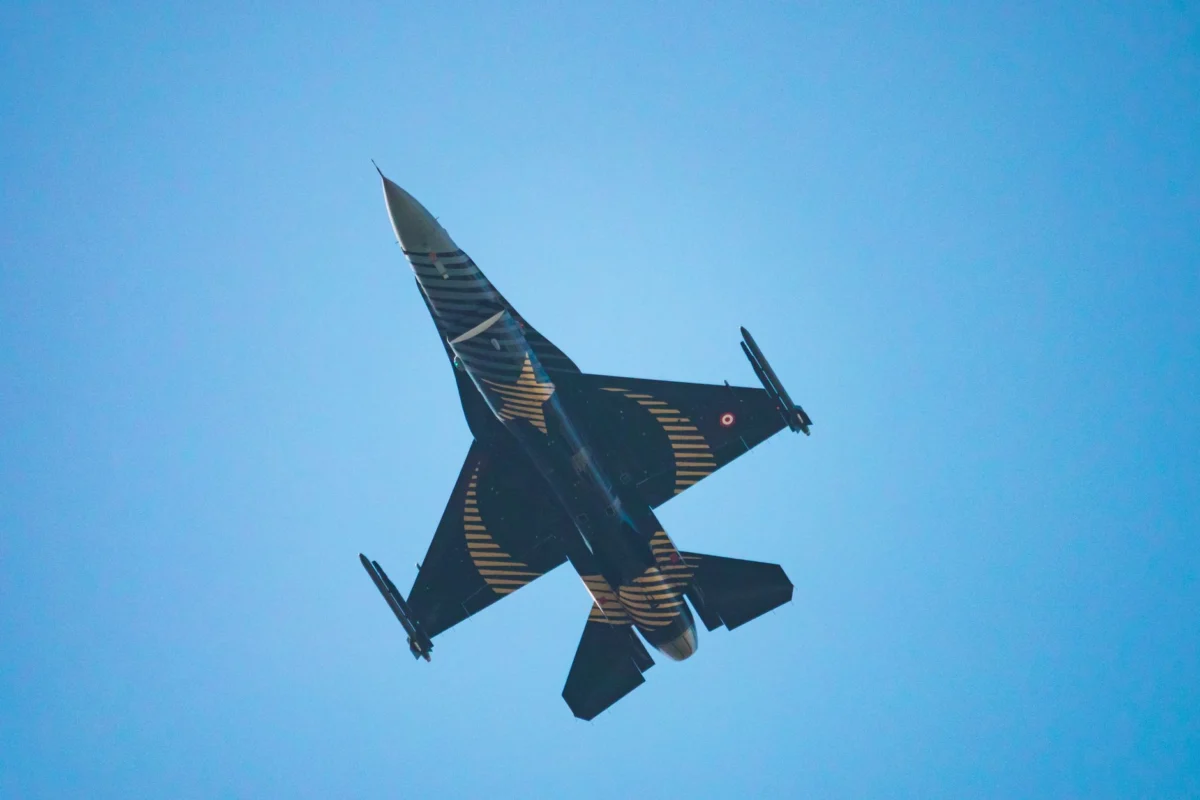
Turkey has halted the delivery of F-16 spare parts to the United States, a move that underscores a deepening rift within NATO.
In a sharply worded statement on Monday, Turkey’s defense ministry said the United States failed to honor a 2022 agreement on joint training, prompting Ankara to suspend the program.
The decision comes just weeks after President Recep Tayyip Erdogan warned Washington that Turkey would not be a “puppet” in any future NATO operations involving Ukraine.
Why does this matter?
Turkey controls the strait that links the Black Sea to the Mediterranean, a chokepoint for Russian grain shipments and energy exports. Any disruption to NATO’s southern flank could stall Western supply chains and embolden Moscow.
Analysts at the Center for Strategic and International Studies note that NATO’s collective defense clause, Article 5, relies on every member’s ability to contribute air, sea, and ground capabilities. Turkey’s refusal to share critical spare parts erodes that readiness.
What happens next?
The United States has called the suspension “unacceptable” and is preparing a diplomatic push through the NATO North Atlantic Council.
Within days, senior NATO officials are expected to meet in Brussels to decide whether to impose sanctions or to negotiate a new framework for Turkey’s participation.
Meanwhile, the Russian Ministry of Defense has praised Ankara’s stance, saying it reflects “the legitimate interests of a sovereign state facing Western pressure.”
For everyday citizens, the fallout could mean higher energy prices if the Black Sea grain corridor stalls, and a more volatile security environment in Europe.
In a world still reeling from the Ukraine war, the Turkey NATO dispute illustrates how one nation’s defiance can ripple through global stability.
Stay tuned as NATO leaders convene; the alliance’s next move will signal whether collective security can survive internal dissent.
Read more about the geopolitical stakes in our war-geopolitics coverage.