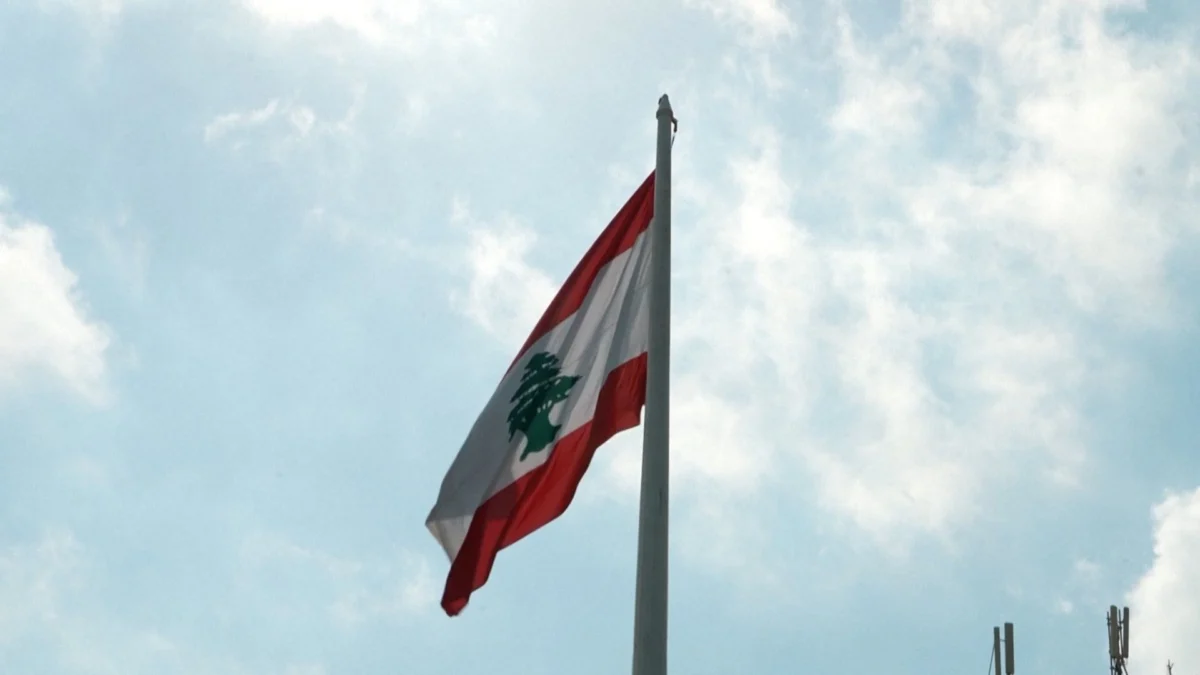
Lebanon framework agreement – the deal signed Thursday in Washington that promises 1.5 billion USD of reconstruction aid – has already sparked protests in Beirut’s volatile Hamra district and a sea of questions in parliament.
At 9:03 a.m. local time, a convoy of U.S. diplomats rolled out of the State Department, escorted by Lebanese officials, to a press podium where the text of the agreement was unveiled on a glossy white sheet. Within minutes, a crowd of 300 demonstrators gathered outside the embassy, chanting slogans against foreign interference.
“We are not signing away our sovereignty,” shouted a protester, waving a Lebanese flag. The scene mirrored the turmoil that erupted two weeks earlier when the same text was leaked to local media.
What does the agreement contain?
The framework outlines a phased release of $1.5 billion, earmarked for rebuilding Beirut’s port, restoring the electricity grid, and bolstering the central bank’s reserves. It also requires Lebanon to adopt a comprehensive anti‑corruption overhaul, monitored by an international commission.
Prime Minister Najib Mikati, speaking to Al Jazeera, said the money “will jump‑start the economy that has been suffocating under the weight of a decade of crisis.” The United States, represented by Deputy Secretary of State Kurt Campbell, framed the pact as “a historic step toward Lebanese stability.”
Why does this matter?
Lebanon’s economy has contracted by 30 % since 2019, unemployment sits at 23 %, and the national debt exceeds 150 % of GDP. The injection of billions could revive the stagnant banking sector, lift the purchasing power of a population that now spends 70 % of income on food, and possibly stabilize a region already strained by the Israel‑Hamas war.
Yet the agreement also threatens to deepen sectarian divisions. Hezbollah’s political bureau denounced the pact as “a new form of economic colonization,” while the Amal Movement warned that the anti‑corruption clause could be weaponised against its allies.
Who supports and who opposes?
In parliament, the Future Movement and the Lebanese Forces voted in favour, citing the urgent need for cash flow. The Progressive Socialist Party and the Communist Party abstained, demanding clearer safeguards for public assets.
Opposition parties have filed a constitutional challenge, arguing that the agreement bypasses Lebanon’s 1990 Taif Accord, which requires consensus for major foreign contracts.
Meanwhile, ordinary Lebanese citizens weigh the promise of lights in their homes against the fear of losing political autonomy.
What happens next?
The framework must now pass a two‑thirds parliamentary majority to become law. If approved, the first tranche—$500 million—will be released within 30 days, contingent on the formation of the monitoring commission.
International donors are watching closely. The World Bank has signalled readiness to match the U.S. funds if Lebanon meets governance benchmarks.
For anyone with family ties to the Levant, the outcome will dictate whether dinner tables stay in darkness or see the lights flicker back on.
As the debate roars on, the next parliamentary session on July 10 will determine whether the Washington‑signed framework becomes a lifeline or a lightning rod for further unrest.
Stay tuned as we track the vote, the streets, and the ripple effects across the war‑geopolitics landscape.