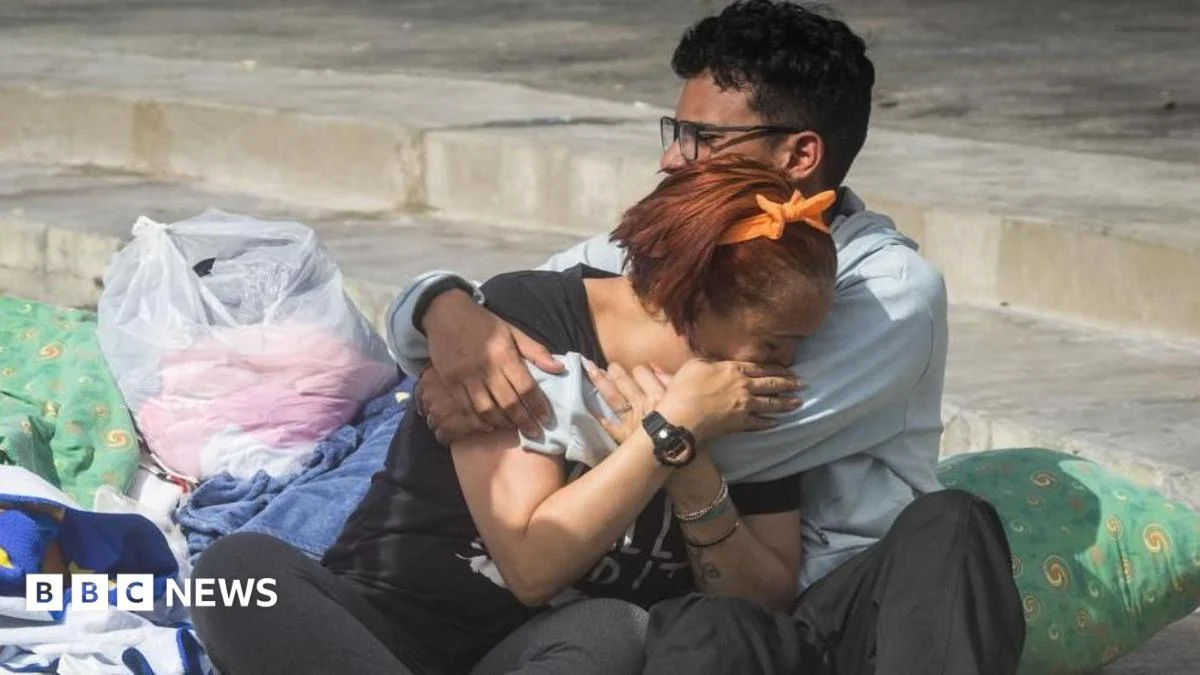
Rescue crews have pulled 47 bodies from the rubble of the Caracas shopping centre, while 112 people remain trapped. The Caracas collapse has become the deadliest structural disaster in the nation’s modern history.
The devastation unfolded at 9:17 a.m. on Monday when the four‑storey building on Avenida Urdaneta gave way, crushing a market, a pharmacy and three adjoining apartments. Witnesses say the roof fell like a “concrete wave” that swallowed everything in seconds.
Mayor Antonio Sanchez, who arrived within minutes, described the scene as “a nightmare that will stay with us forever.”
Emergency teams from the National Disaster Management Unit, the military and volunteer groups have been working around the clock. By Tuesday evening they reported locating 12 survivors, six of whom are still in critical condition.
Why does this matter?
The Caracas collapse is not just a local tragedy; it reflects decades of neglect, corruption and a crumbling infrastructure that threatens the stability of the entire country. With inflation soaring above 600% and basic services intermittently unavailable, the disaster has amplified public anger against President Nicolas Maduro’s government.
Economists warn that the loss of the market—a hub for informal traders who supply roughly 30% of Caracas’ food supply—could push food insecurity even higher, inflaming the already volatile social climate.
Who is affected?
Families of the victims, the dozens of small‑business owners whose livelihoods vanished under concrete, and the 1.4 million residents of the surrounding neighbourhood now face displacement. Human‑rights groups estimate that up to 3,000 people may become homeless as temporary shelters fill beyond capacity.
International aid agencies have pledged assistance, but logistical hurdles and sanctions on Venezuela complicate delivery.
What happens next?
Authorities plan to demolish the remaining unstable structure within 48 hours, a move critics fear could further endanger those still trapped. Engineers from the University of Caracas are reviewing blueprints to determine whether the collapse was caused by design flaws or substandard materials—a question that could spark legal action against contractors and regulators.
Meanwhile, protests have erupted in downtown Caracas. Demonstrators brandished signs reading “Enough lies, rebuild our city!” and “Justice for the victims.” Police response has been heavy, with several arrests reported, heightening concerns about civil liberties.
For Venezuelans watching the crisis unfold, the Caracas collapse feels like the most painful moment in the nation’s modern history because it embodies a loss of safety, trust and hope that many thought was already eroded by economic ruin.
As search crews continue to sift through debris, the world watches to see whether the tragedy will spur meaningful reform or deepen the country’s descent into chaos.
Follow this story for updates on rescue operations, legal investigations and the broader political fallout that could reshape Venezuela’s future.