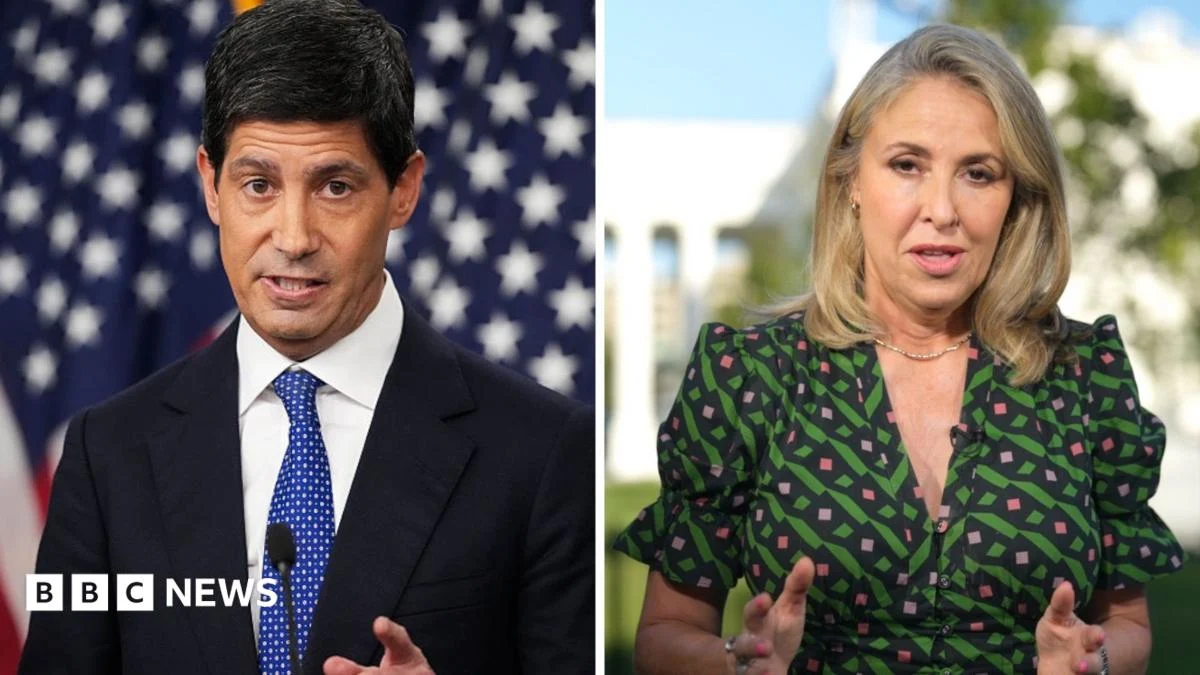
A Federal Reserve chair hand-picked by the US president raised interest rates this week, directly defying the leader who selected him. The quarter-point increase comes amid public pressure from the president, who has repeatedly called for rates to be lowered instead.
The move highlights growing tension between the president and the central bank, underscoring debates over monetary policy at a critical economic moment. Market watchers are now weighing in on the potential ripple effects of the hike and its broader implications.
Key Facts
- A 0.25% interest rate increase was implemented despite presidential opposition.
- The Fed chair was hand-picked by the US president, yet defied his guidance.
- The president has called for rate cuts, which contrasts with the central bank’s action.
How Did This Rift Develop?
Presidents have long voiced opinions on monetary policy, but direct public challenges to the Fed are unusual. In recent months, the US president has pressured the Federal Reserve to ease policy, arguing that rate hikes slow economic growth. The Fed chair, meanwhile, has maintained the institution’s independence, citing inflation concerns and labor market strength as justification for cautious tightening.
The latest rate decision follows a pattern of divergence between the president and the central bank. While the president views higher borrowing costs as harmful to businesses and consumers, the Fed continues to prioritize long-term economic stability. Analysts note that such open friction could undermine confidence in institutional checks and balances.
What Happens Next?
Markets are reacting cautiously to the rate increase, with investors evaluating whether future hikes remain likely. The president’s public criticism of the Fed may intensify if economic data weakens in the coming weeks. Meanwhile, the central bank faces scrutiny over maintaining credibility while navigating political headwinds and macroeconomic uncertainty.
Additional rate decisions scheduled later this year will be closely watched, especially given signs of slowing global trade and mixed domestic indicators. Whether the president escalates his rhetoric or adjusts his approach remains unclear, as does any potential response from Congress or legal scholars concerned about executive interference in independent agencies.
What We Know — and What We Don’t
Verified by the source:
- A 0.25% interest rate increase was approved recently.
- The Fed chair was personally selected by the US president.
- The president publicly opposed the rate hike and favored cuts.
Still unconfirmed:
- The specific timeline or reasoning behind the Fed chair’s decision.
- Exact quotes or statements made by officials involved.
- Detailed market reactions or upcoming policy announcements.
Why It Matters
This confrontation tests the norm of central bank independence, which helps ensure that monetary policy serves the public interest rather than short-term political goals. When political leaders challenge independent institutions, it can shake investor confidence and raise questions about democratic norms.
What To Watch
Upcoming Fed meetings and economic reports may clarify whether more rate changes are coming. Officials have yet to comment further beyond the initial announcement.