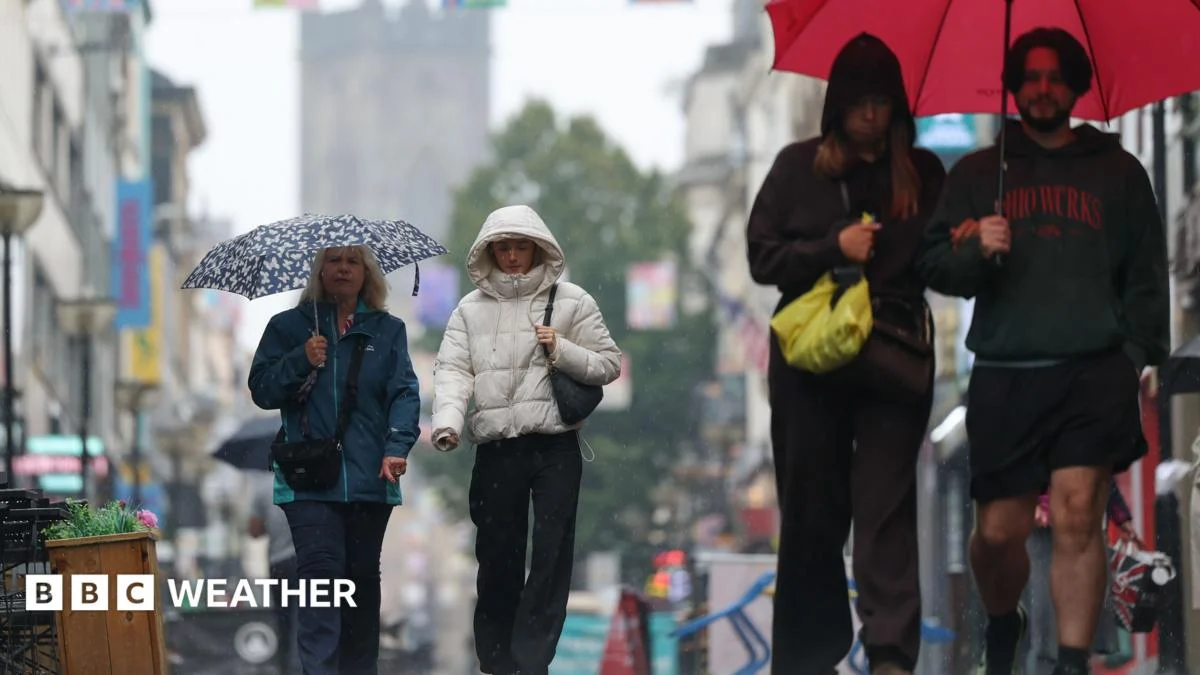
Ending the England drought may require at least seven months of relentless rain, according to new research. Almost 75% of England remains in drought following an exceptionally dry spring and summer.
The findings highlight the severity of the ongoing conditions, which have left large portions of the country dependent on sustained and heavy rainfall. Without such prolonged precipitation, normal soil moisture and groundwater levels are unlikely to recover.
Key Facts
- At least seven months of relentless rain needed to end drought.
- Almost 75% of England remains in drought.
- Drought follows an exceptionally dry spring and summer.
- Research suggests sustained rainfall is not currently expected.
- Source: BBC News.
The Story
What does ‘seven months of rain’ actually mean?
Researchers indicate that typical seasonal rainfall will not be sufficient to reverse the current England drought. Instead, the ground requires months of consistent and above-average precipitation to replenish soil moisture, reservoir levels, and aquifers. This level of rainfall is uncommon in the UK and would likely cause flooding if it occurred all at once.
The England drought has been worsened by high temperatures and low precipitation totals during spring and summer. These conditions have reduced river flows and decreased storage in reservoirs, leading to water restrictions in several regions. Environmental agencies continue to monitor conditions closely as autumn approaches.
Who is affected by the drought?
Communities across almost 75% of England are experiencing drought-related impacts. Farmers face reduced crop yields and limited irrigation water, while water companies have introduced conservation measures for households. Wildlife habitats are also stressed, with rivers and wetlands drying up in some areas.
The drought has created economic pressure on agriculture, tourism, and energy sectors. Water suppliers continue to urge residents to reduce consumption. Regional differences exist, with some areas faring worse than others depending on local rainfall and groundwater levels.
What happens next for the England drought?
Meteorologists say the upcoming months will be critical in determining whether the England drought persists into next year. Current weather forecasts do not predict the sustained rainfall needed to reverse current conditions. Water management authorities are preparing contingency plans in case the drought continues into winter and spring.
If rainfall remains below average, additional restrictions could be implemented across affected regions. Conversely, unusually wet conditions could ease drought classifications, though sudden storms may cause flash flooding. Official updates are expected in coming weeks as new climate data becomes available.
What We Know — and What We Don’t
Verified by the source:
- At least seven months of relentless rain may be needed to end the drought.
- Almost 75% of England remains in drought.
- The drought follows an exceptionally dry spring and summer.
Still unconfirmed:
- Exact timeline for when seven months of rain could begin.
- Specific regions most impacted by the drought.
- Whether current water restrictions will be expanded.
- Names and titles of researchers or agencies involved.
Why It Matters
The England drought affects everyday life, from garden watering rules to food prices. When agricultural output drops and water supplies shrink, households often face higher bills and limited availability. This issue reflects broader climate trends and underscores how extreme weather events can disrupt essential resources across entire nations.
Understanding the scale of recovery needed helps citizens and policymakers plan long-term responses. The connection between dry seasons and prolonged drought emphasizes the importance of sustainable water use and resilient infrastructure.
What To Watch
Autumn rainfall totals and official drought monitoring updates will determine whether water restrictions expand across England. A shift in seasonal forecasts toward wetter conditions could revise recovery estimates, while continued dryness may trigger further conservation measures.