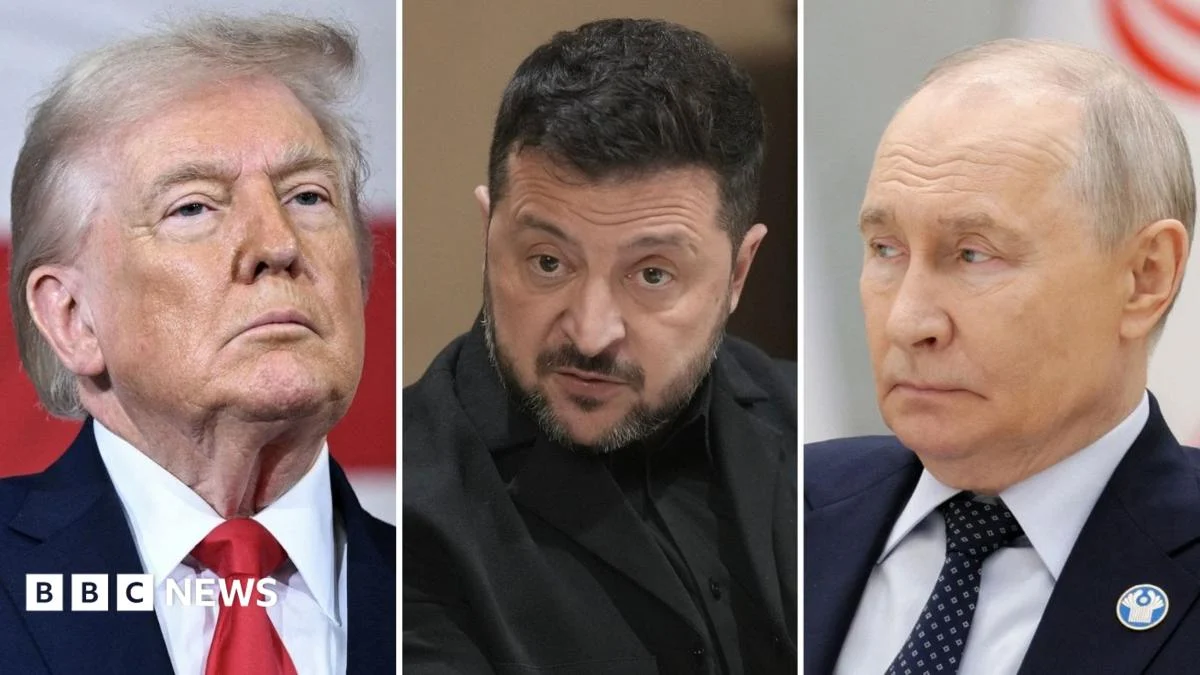
Trump’s ‘energy ceasefire’ proposal has drawn a cautious response from Ukrainian President Volodymyr Zelenskyy, who said he would support such a truce if Russia agrees, while Russia itself remained publicly silent on the suggestion. The proposal, announced by Trump, centers on the idea of an ‘energy ceasefire’ targeting energy infrastructure, though no further specifics were provided in the source material.
Zelenskyy initially expressed surprise at Trump’s announcement, indicating that the suggestion came without prior consultation. However, his conditional support — tying it to Moscow’s reciprocal commitment — reflects a familiar diplomatic posture from Kyiv, which has repeatedly framed any potential de-escalation around reciprocal steps. Russia’s silence is itself notable, as Moscow has historically responded quickly to proposals it views as advantageous while dismissing those it sees as unfavorable.
Key Facts
- Trump proposed an ‘energy ceasefire’ linked to wartime energy infrastructure.
- Zelenskyy said Ukraine would back such a truce if Russia does too.
- Zelenskyy initially reacted with surprise to Trump’s public announcement.
- Russia did not publicly respond to the proposal.
What happened and why it signals caution
The concept of an ‘energy ceasefire’ typically refers to a temporary halt in attacks on energy facilities such as oil refineries, pipelines, or power plants. Such proposals often surface during periods of heightened conflict when civilian or economic infrastructure becomes a strategic target. In this case, Trump’s framing suggests a narrow truce focused on energy assets rather than a broader ceasefire. Zelenskyy’s conditional response aligns with Ukraine’s long-standing position that any de-escalation must be mutual and verifiable.
Who is affected and how diplomacy is shaping up
For Ukraine, energy infrastructure has been both a vulnerability and a symbol of resilience. Repeated strikes on power plants and substations have disrupted electricity supplies, particularly during winter months. A truce on energy targets could offer immediate relief but would not address broader military operations. From Russia’s perspective, energy facilities are often viewed as legitimate military targets, especially those linked to export capacity. The absence of a public response from Moscow leaves open whether the proposal is under internal review or rejected outright.
What we know and don’t know
Verified by the source:
- Donald Trump proposed an ‘energy ceasefire’ involving energy infrastructure.
- Ukrainian President Zelenskyy expressed conditional support, contingent on Russian participation.
- Zelenskyy initially reacted with surprise to the announcement.
- Russia did not issue a public statement in response to the proposal.
Still unconfirmed:
- Whether Russia received advance notice of Trump’s proposal.
- Specific details of what facilities would be included in the ‘energy ceasefire’.
- Whether the proposal has any formal backing from U.S. government officials.
- Timeline or mechanism for implementing such a truce, if agreed upon.
Why it matters
Proposals like this highlight the ongoing role of third-party actors in mediating conflicts where direct negotiations remain stalled. An ‘energy ceasefire’ could serve as a limited confidence-building measure, even amid broader hostilities. For ordinary citizens on both sides, disruptions to energy services — such as heating, lighting, or fuel supply — remain a daily reality, making any temporary suspension of attacks on infrastructure politically and humanitarianly significant.
What to watch
Moscow has yet to comment publicly, and officials on both sides have not outlined next steps. A formal response from Russia — whether acceptance, rejection, or demands for clarification — would likely shape whether the ‘energy ceasefire’ concept gains further traction. Follow updates in war-geopolitics and politics for developments.
“>