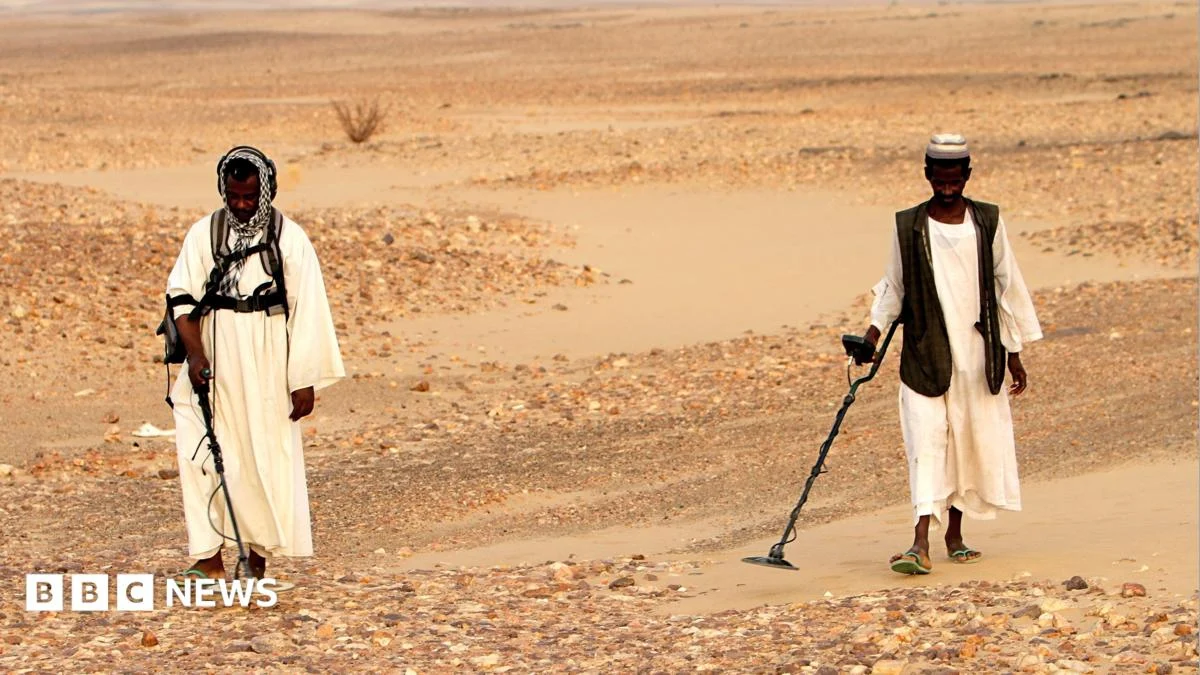
Late Saturday, a human rights group reported that dozens of gold prospectors were killed in suspected airstrikes on an artisanal mining camp along the Egypt-Sudan border. Neither Egypt nor Sudan has officially responded to the allegations. The border region has long been remote and poorly governed, making independent verification difficult.
Artisanal mining involves manual extraction of gold using basic tools, often by impoverished workers. These sites are common in parts of eastern Sudan and along porous borders where state control is limited. Rights monitors frequently highlight the vulnerability of such communities to armed conflict and militarized crackdowns.
Key Facts
- Dozens of gold prospectors killed in alleged strikes, per a rights group.
- Strikes targeted an artisanal mining camp on the Egypt-Sudan border.
- Neither Egypt nor Sudan has commented publicly.
- Alleged incident occurred on Saturday.
The Story
Briefing: What border mining sites are at risk?
The reported attack took place in a region where formal governance is weak and cross-border movement is common. Artisanal miners often operate in isolated zones with little oversight or protection. These areas are sometimes caught in broader military or paramilitary activity, including counter-smuggling operations or disputes over resource control.
Without independent access or official confirmation, it remains unclear who carried out the strikes or whether they were state or non-state actors. The lack of immediate response from either government suggests either ongoing internal deliberation or limited awareness of the claim.
Border regions between Egypt and Sudan have seen periodic tension, particularly around contraband trade routes and migrant smuggling corridors. Militarized responses in such zones are not unprecedented, though specific incidents like this one are rarely confirmed due to restricted media access.
Briefing: What happens next?
If the report is confirmed, it could escalate diplomatic scrutiny of both governments’ handling of border security and civilian safety. Families of victims may seek justice through international channels, while regional actors might press for investigations.
Until then, the situation remains opaque. Independent humanitarian organizations face challenges documenting violations in these closed-off areas, limiting transparency and accountability.
What We Know — and What We Don’t
Verified by the source:
- A rights group alleges dozens killed in strikes on a mining camp.
- The mining camp was located on the Egypt-Sudan border.
- The alleged strikes happened on Saturday.
- Neither Egypt nor Sudan has made a public comment.
Still unconfirmed:
- The identity and credibility of the reporting rights group.
- The exact number of casualties.
- Who carried out the alleged strikes.
- The cause or nature of the strikes (e.g., airstrike, artillery, raid).
- Whether any formal investigation has been launched.
Why It Matters
Violence against informal miners in borderlands reflects broader patterns of marginalization and conflict in underserved regions. As global demand for gold grows, so does the risk of exploitation and violence targeting some of the world’s most vulnerable workers. This case underscores the urgent need for oversight in remote mining zones and stronger protections for artisanal miners.
For readers following war and geopolitics developments, incidents like these reveal how cross-border instability can quietly intensify without international attention.
What To Watch
Watch for official statements from Egypt or Sudan, or further details from the originating rights group. Any corroborating footage, witness testimony, or satellite imagery would significantly shift credibility. For more conflict-related updates, see SourceRated’s war-geopolitics archive.