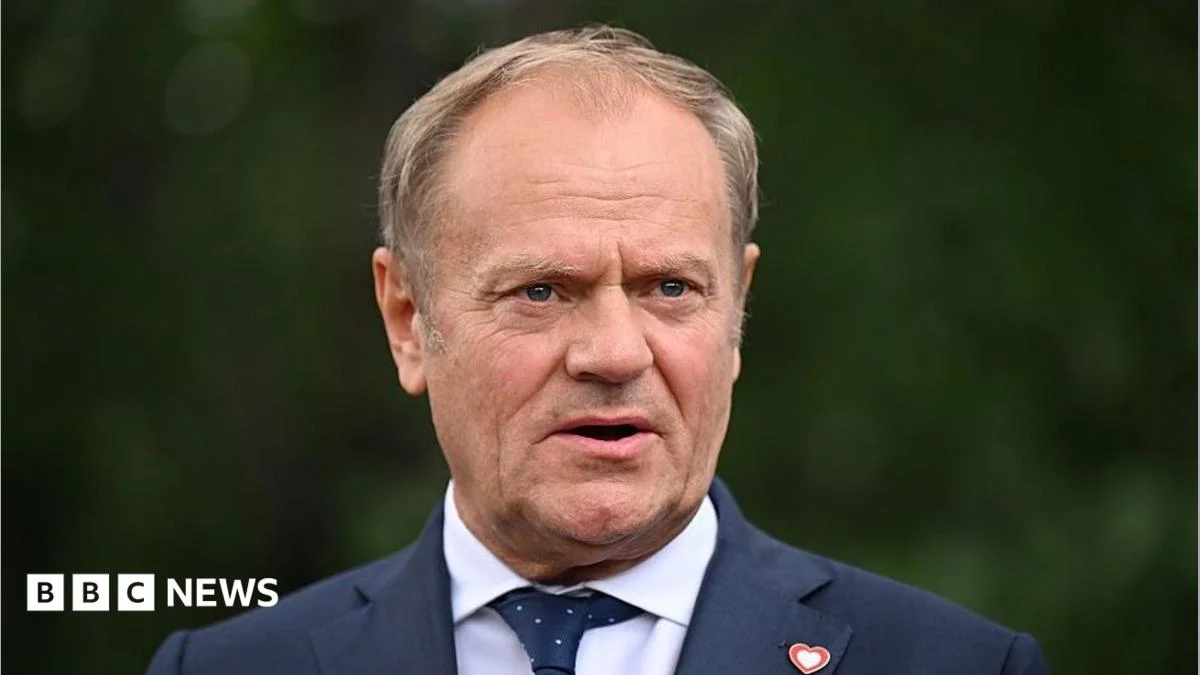
Polish authorities detained a suspect believed to have been planning an assassination of Prime Minister Donald Tusk, acting on credible information regarding potential threats against the leader and his defense minister.
The arrest follows intelligence indicating possible attacks targeting high-ranking government officials, though no further specifics about the suspect or the nature of the alleged plot were provided on Tuesday.
KEY FACTS
- Poland detains suspected PM Tusk assassin
- Credible info cited about attacks on Donald Tusk
- Defense minister also named in threat reports
WHAT HAPPENED NEXT?
The detention stems from intelligence that prompted urgent preventive action, highlighting ongoing security concerns surrounding the country’s political leadership.
Polish officials did not disclose details such as the suspect’s identity or where the arrest took place, citing operational sensitivity. However, they emphasized that swift intervention prevented any immediate threat from materializing.
HOW DID WE GET HERE?
Since Russia’s full-scale invasion of Ukraine in 2022, Poland has experienced heightened security alerts and increased defense cooperation with Western allies. Concerns over espionage and sabotage have grown across Eastern Europe.
This incident underscores broader regional tensions tied to geopolitical instability and hybrid warfare threats, which continue to test NATO’s eastern flank.
WHAT WE KNOW & WHAT WE DON’T
Verified by the source:
- A man was detained in Poland on suspicion of plotting to kill PM Donald Tusk
- Police received credible information pointing to possible attacks targeting the Prime Minister
- The defense minister was also mentioned in the threat assessment
Still unconfirmed:
- The identity or background of the detained individual
- The method or timing of the alleged plot
- Any link between this case and foreign actors or intelligence services
Poland’s role as a key transit hub and stronghold of support for Ukraine makes its leaders frequent subjects of security scrutiny, especially amid rising disinformation campaigns and documented sabotage cases in neighboring states.
WHY IT MATTERS
As a frontline NATO member supporting Ukraine, Poland faces elevated risks from external interference and domestic far-right radicalization. Any perceived vulnerability in protecting top leadership can ripple through alliance cohesion and public morale.
WHAT TO WATCH
Authorities may release additional updates depending on legal proceedings or if further arrests occur. The case could also prompt renewed scrutiny of cross-border intelligence sharing among EU and NATO partners.