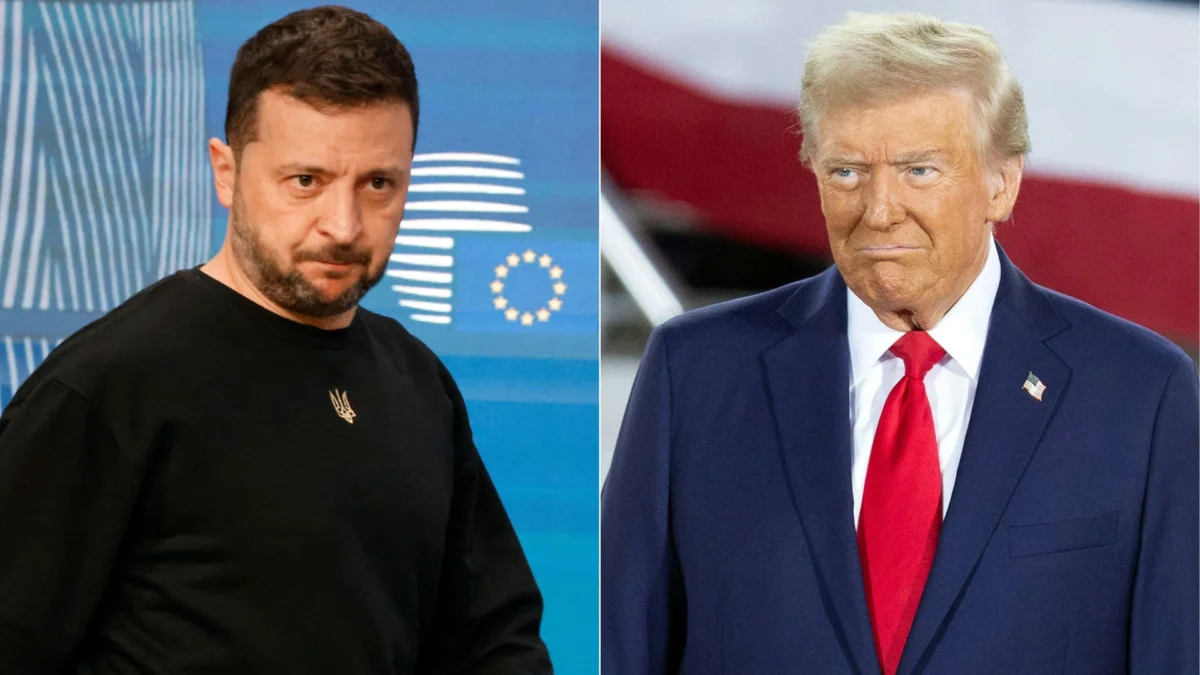
Trump Waives Russia Sanctions Before Enforcement
Trump waived Russia-related sanctions under the Graham Bill, which targeted Russia over its invasion of Ukraine. The sanctions were set to take effect but were waived before enforcement. Zelenskyy condemned the waiver, calling the decision wrong.
The Graham Bill became law in September, following Trump signing it. It imposed economic penalties on Russia in response to its actions in Ukraine. The waiver means those penalties will not be applied at this time, though the legal framework remains in place.
Key Facts
- Trump waived Russia-related sanctions under the Graham Bill.
- The sanctions targeted Russia over its invasion of Ukraine.
- The Graham Bill was signed into law by Trump in September.
- Zelenskyy condemned the waiver as wrong.
- The sanctions were waived before taking effect.
What Happens Next?
The waiver prevents the sanctions from being enforced immediately, but does not repeal the Graham Bill. Congress or future administrations could still activate the measures unless they are formally rescinded. The timing of the waiver has drawn attention amid ongoing tensions between the U.S. and Ukraine. Analysts note that such waivers are typically granted when national interests or diplomatic negotiations are cited as justification.
International reaction remains unclear, as the source does not detail responses from other Western allies or institutions. Ukraine has relied on U.S. support during its conflict with Russia, making this decision notable in geopolitical terms. The move may influence upcoming legislative sessions or foreign policy discussions.
How Did We Get Here?
The Graham Bill was signed into law in September as part of broader U.S. policy toward Russia. It specifically targeted Russian entities and individuals in response to actions deemed destabilizing. Trump’s decision to waive the sanctions aligns with past patterns of executive discretion in foreign policy enforcement. The bill itself codifies penalties that can be activated based on findings by the president or Congress.
Zelenskyy’s public condemnation highlights diplomatic friction. Leaders often express frustration when allied nations take steps perceived as undermining joint efforts. Whether further negotiations or legislative action will follow remains uncertain.
What We Know — and What We Don’t
Verified by the source:
- Trump waived Russia-related sanctions under the Graham Bill.
- The Graham Bill targets Russia over its invasion of Ukraine.
- The bill was signed into law in September.
- Zelenskyy called the waiver wrong.
Still unconfirmed:
- The specific reasons cited for the waiver.
- Details about potential future activation of the sanctions.
- Reactions from other governments or organizations.
- Official statements or documents supporting the waiver.
Why It Matters
This development reflects shifting U.S. foreign policy approaches toward Russia and Ukraine, highlighting how executive decisions can alter the trajectory of international sanctions regimes. Such actions influence global markets, diplomatic relationships, and the economic conditions tied to ongoing conflicts.
What To Watch
Future statements from the White House and Congressional leaders may clarify whether the sanctions will be reinstated or modified. Reactions from European allies and Ukrainian officials could shape upcoming diplomatic engagement.