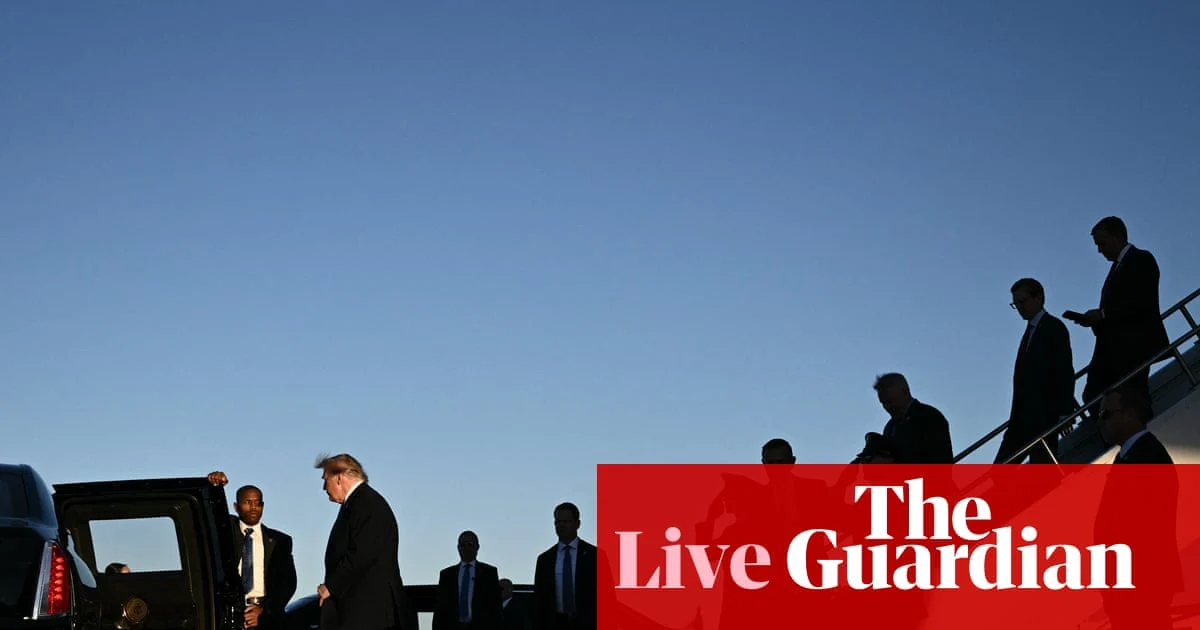
President Trump is set to visit Grand Island, Nebraska, as the US Supreme Court begins its new term by hearing oral arguments in a significant climate case. The outcome of these proceedings could either send the litigation back to state court or establish precedent affecting dozens of similar cases nationwide.
The justices are reviewing a lawsuit brought by the city of Boulder, Colorado, which alleges that major fossil fuel companies contributed to climate change and seeks damages. Depending on how the court rules, the decision may determine whether such climate litigation continues at the state level or moves into federal jurisdiction.
Key Facts
- The Supreme Court is hearing oral arguments this morning in a climate case involving the city of Boulder.
- If the court sides with Boulder or finds lack of jurisdiction, the case will return to state court.
- If the fossil fuel industry prevails, the ruling could apply to other climate lawsuits nationwide.
- President Trump plans to visit Grand Island during this time.
- The case involves questions about the role of federal versus state courts in handling climate-related claims.
What happens next?
Oral arguments mark the opening of the Supreme Court’s new term and represent the first formal discussion of a closely watched climate case. The justices will examine whether the dispute falls under federal jurisdiction or belongs in state court. A ruling is expected by next summer.
If the court sides with the fossil fuel industry, the precedent set could affect numerous climate lawsuits filed by cities and states across the country. These cases generally allege that major corporations were aware of the risks posed by greenhouse gas emissions yet failed to act responsibly, contributing to rising temperatures and extreme weather events.
Meanwhile, should the court side with Boulder or decline jurisdiction, the case would proceed in state court, where similar proceedings are already underway in several states. Either way, the legal battle highlights growing momentum behind climate accountability efforts led by local governments.
Who is affected?
This case directly impacts the city of Boulder and its pursuit of damages from major energy companies accused of misleading the public about climate science. However, the broader implications extend well beyond one municipality.
Dozens of state and local governments have launched parallel climate cases, seeking compensation for costs related to flooding, wildfires, and infrastructure damage tied to global warming. The Supreme Court’s decision may effectively reshape the landscape for all pending and future litigation targeting corporate responsibility for environmental harm.
For residents and officials concerned with addressing climate change through legal channels, the outcome carries substantial weight. Supporters view these lawsuits as essential tools for holding polluters accountable, while opponents argue they overreach judicial bounds and unfairly target lawful business practices.
What we know
Verified by the source:
- The Supreme Court is hearing oral arguments in the Boulder climate case.
- The case originates from Colorado and centers on climate-related claims.
- A ruling may determine whether other climate lawsuits remain in state or federal court.
- President Trump plans to travel to Grand Island, Nebraska.
Still unconfirmed:
- Exact timing of when the court will issue its final decision.
- List of specific cities or states involved in related climate lawsuits.
- Names of fossil fuel companies named in the case.
- Details regarding President Trump’s itinerary or activities in Nebraska.
Why it matters
This case sits at the intersection of corporate accountability, environmental policy, and access to justice. Depending on the verdict, it could either empower more communities to pursue climate remedies in court or limit their ability to do so. Visit our war-geopolitics and climate-environment sections for ongoing coverage of related developments.
What to watch
Legal experts expect a decision by late spring or early summer 2026. Advocates on both sides are monitoring the case closely for signals about how courts might approach future climate litigation.