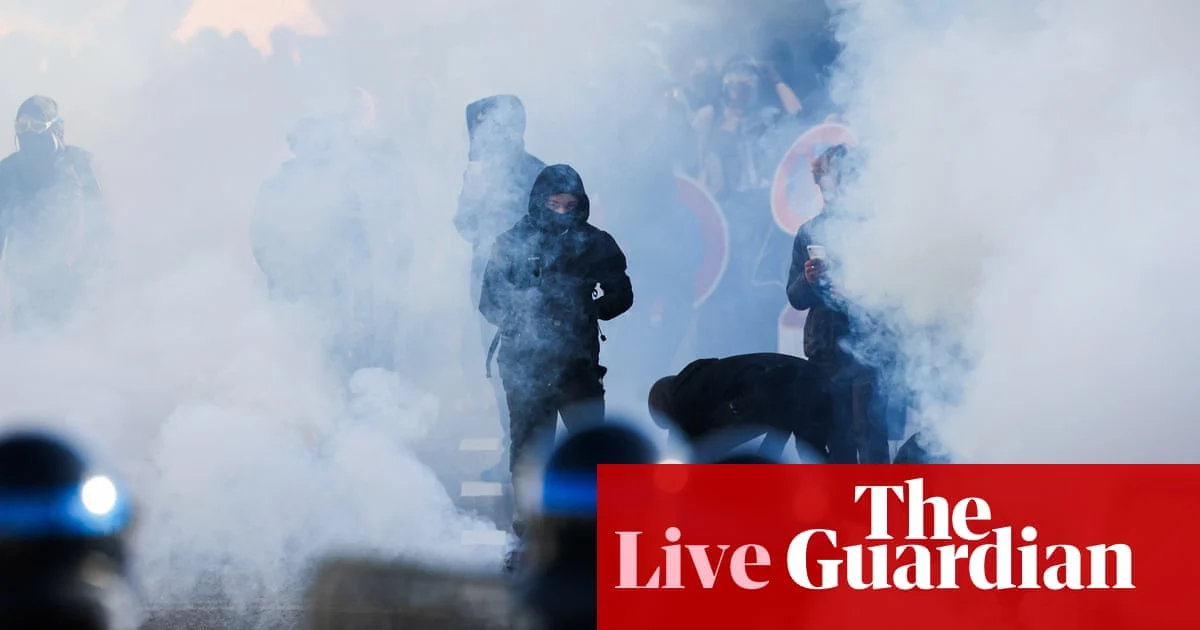
Spanish Prime Minister Pedro Sánchez announced a snap election for November 29, just days after right-wing parties blocked his minority government’s emergency housing measures amid widespread protests. The decision comes as political tensions remain high over social and economic reforms in the country.
The election, set for November 29, is the earliest date allowed under Spanish procedural rules. In a televised address, Sánchez framed the vote as a clear choice between a potential far-right coalition and his progressive administration, warning that a shift in power could lead to regression.
Key Facts
- Snap election call by Spain PM Pedro Sánchez for November 29.
- Right-wing parties blocked emergency housing measures.
- Election coincides with widespread protests.
What Happens Next?
Voters will head to the polls on November 29 to decide whether to grant Sánchez another term or hand power to a coalition led by the conservative People’s Party. The conservative group celebrated the announcement with an election video set to the EU anthem, signaling its readiness for a campaign battle.
Sánchez described the election as a test of who will guide Spain through global instability, climate challenges, and AI-related disruptions. His government has been operating with a reduced mandate, relying on ad hoc support from smaller parties, making legislative gridlock over housing and other reforms increasingly difficult to avoid.
Why This Matters
This election could reshape Spain’s political trajectory at a time when populist movements are gaining ground across Europe. A win for the conservative People’s Party might signal a shift toward stricter immigration policies and reduced social spending, while a Sánchez victory would likely reinforce progressive reforms including expanded housing rights and climate action.
What We Know — and What We Don’t
Verified by the source:
- Sánchez called a snap election for November 29.
- The election follows the blocking of emergency housing measures.
- The People’s Party released an election video celebrating the announcement.
Still unconfirmed:
- Exact voter sentiment or polls ahead of the election.
- Detailed platform differences between parties.
- Extent of public support for the housing protests.
Why It Matters
The outcome of the Spanish snap election will influence not only domestic policy but also the balance of power within the European Union, where Spain plays a key role in shaping regional responses to migration, energy, and digital regulation.
What To Watch
Political analysts will watch voter turnout and coalition negotiations post-election closely, as no single party is expected to win an outright majority. The final composition of the new parliament remains uncertain until results are officially declared.