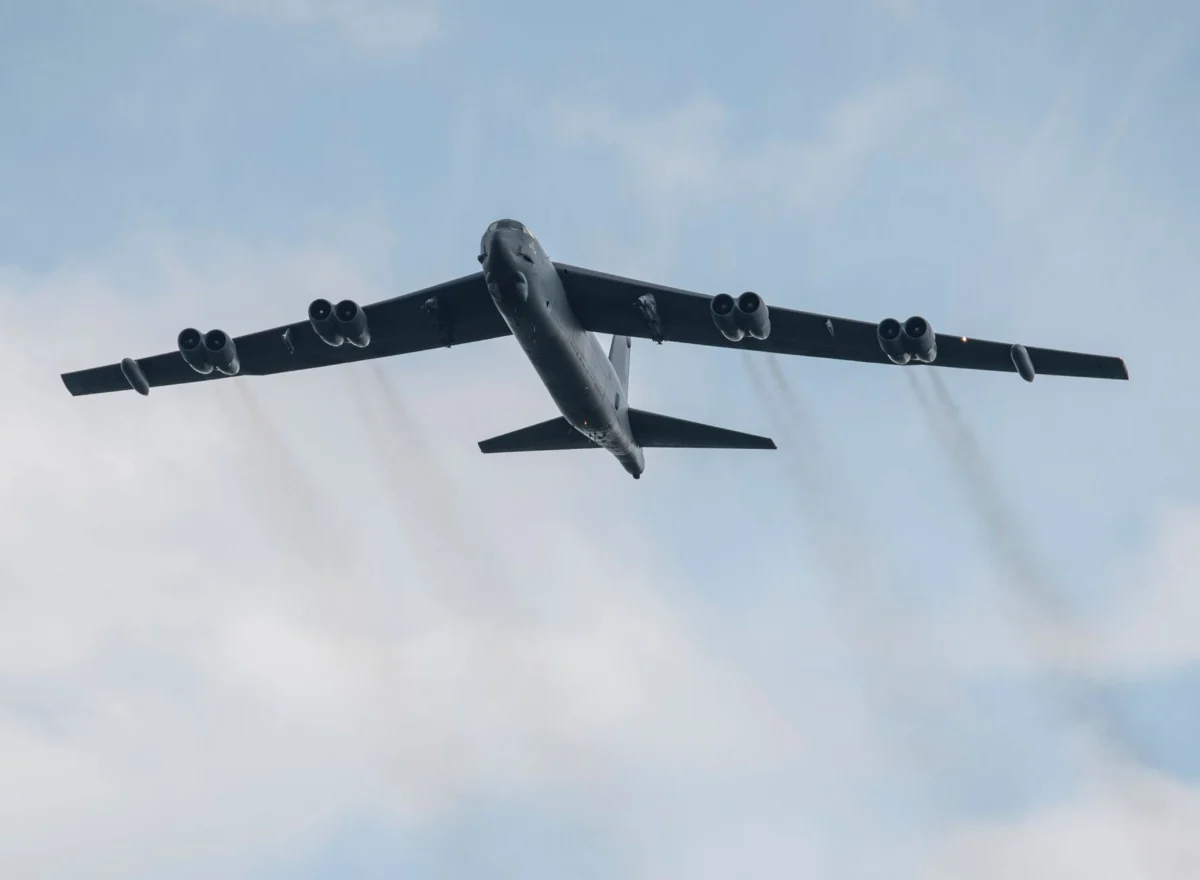
Relocating U.S. bombers in the U.K. spotlights rising concerns that military bases, particularly those near populated areas, face new and evolving threats from modern warfare technology. Technological advances in warfare have reignited long-standing worries about the protection of fixed military installations, renewing debates among defense planners and policymakers.
The shifting placement of strategic assets reflects a broader reassessment of how military operations adapt to contemporary risks. This development underscores how traditional assumptions about base security are being challenged by emerging weapons systems and attack methods.
Key Facts
- Technological advances in warfare are increasing concerns about military base vulnerability.
- Air bases in populated areas are viewed as harder to protect.
- U.S. bomber relocation in the U.K. highlights these new risks.
The Story
Why bases are under reconsideration
Modern warfare now includes precision-guided munitions, drone swarms, cyber capabilities, and advanced surveillance tools. These technologies reduce the advantage once provided by remote or hardened installations.
Defense analysts note that populated areas, while offering logistical and political benefits, also expose infrastructure to civilian proximity risks and asymmetric threats.
The movement of U.S. bombers to the U.K. may signal a pivot in how NATO-aligned forces project power, emphasizing forward presence and rapid response over static deployment.
What happens next?
Military planners are expected to conduct further assessments of base locations and defensive protocols. These efforts may influence future decisions on asset positioning and alliance cooperation.
Governments are also likely to invest in upgraded security infrastructure, ranging from missile defense systems to hardened shelters, to counter evolving threats.
Experts suggest that the integration of artificial intelligence and autonomous systems could play a larger role in monitoring and defending military facilities against coordinated attacks.
What We Know — and What We Don’t
Verified by the source:
- Technological advances in warfare have increased concerns about military base vulnerability.
- Air bases located in populated areas are considered harder to protect.
- The relocation of U.S. bombers in the United Kingdom is linked to these concerns.
Still unconfirmed:
- Specific dates or timelines for the bomber relocation.
- Exact U.K. locations involved.
- Named officials or organizations making these strategic decisions.
- Detailed technical specifications of new military technologies driving these concerns.
Why It Matters
The security of military installations directly affects national readiness and civilian safety. As warfare evolves, reassessing base vulnerabilities becomes critical to maintaining both defense effectiveness and public confidence in military operations.
What To Watch
Further announcements from military and defense authorities regarding base security upgrades and strategic asset deployments will clarify how these concerns shape future policy. Analysts will also watch for signs of increased coordination between allied forces on base protection technologies. Relocating U.S. bombers in the U.K. highlights new risks for military bases.