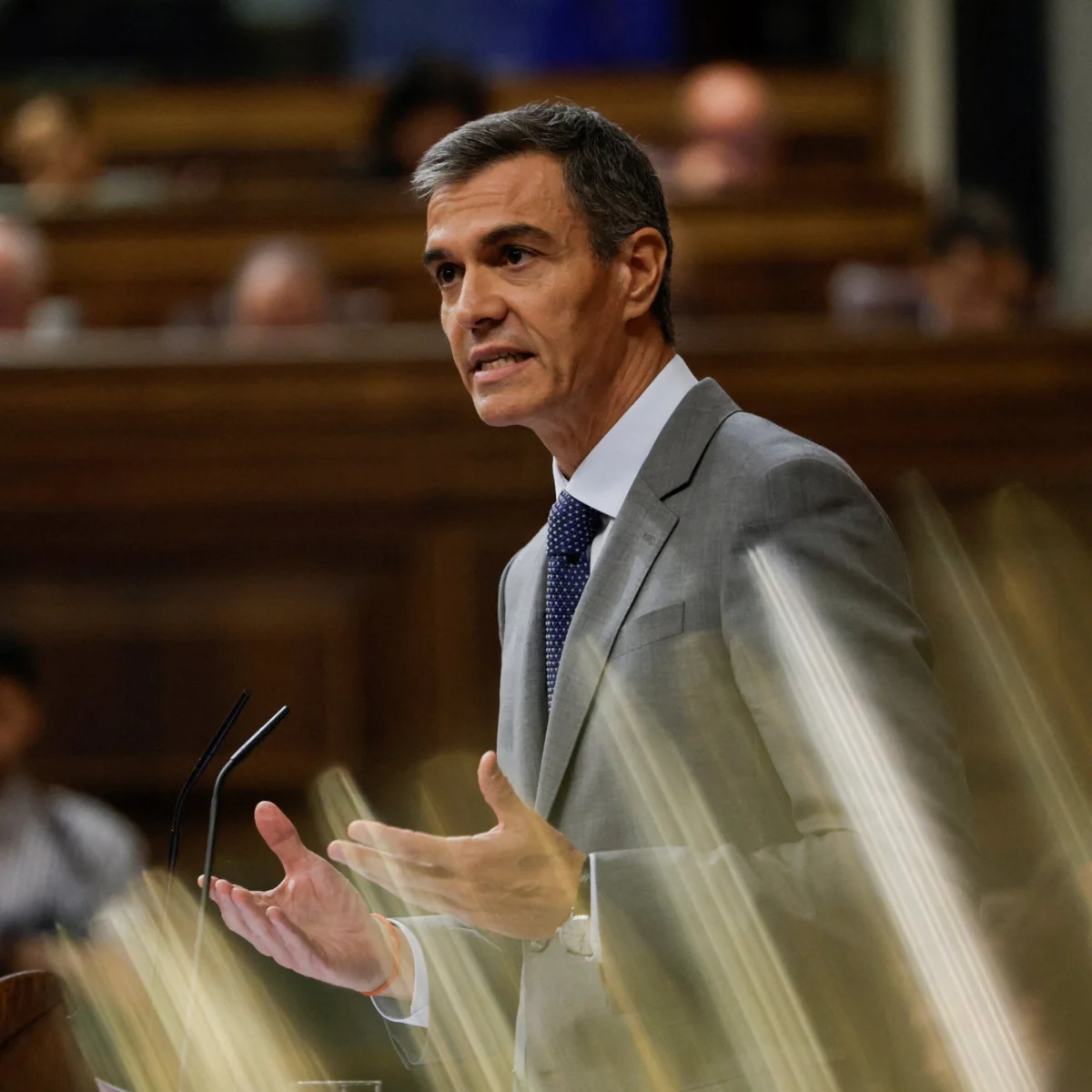
Spain’s Prime Minister Pedro Sánchez has called a snap election amid political turmoil stemming from a housing crisis, migration pressures, and corruption scandals tied to his inner circle.
The decision signals a major political reset as Sánchez attempts to reclaim momentum amid declining public trust and rising opposition challenges.
KEY FACTS
- Spain has called an early election following a housing crisis.
- Prime Minister Pedro Sánchez faces rising challenges to his authority.
- His government is dealing with a migration crisis.
- Corruption scandals involving his inner circle have surfaced.
Why Now?
Spain early election comes at a time when the government is grappling with multiple crises that have eroded public confidence. The housing crisis has fueled inflation and social discontent, while the migration crisis has strained public services and diplomatic relations.
Several corruption scandals involving close associates of Prime Minister Pedro Sánchez have further weakened his political standing. These pressures culminated in the decision to call an early vote, allowing the government to seek a renewed mandate.
What Happens Next?
With the Spain early election on the horizon, political parties are expected to intensify their campaigns. Voters will likely focus on economic stability, immigration policy, and ethical governance. The outcome remains uncertain, but the election could reshape the country’s leadership and policy direction.
Opposition leaders are positioning themselves as alternatives to Sánchez’s administration. Their platforms may emphasize reforms in housing, migration, and anti-corruption measures. Analysts suggest the election will serve as a referendum on the government’s handling of these intertwined issues.
Who Is Affected?
The Spain early election impacts not only politicians but also ordinary citizens struggling with housing costs, migrants arriving at borders, and civil servants caught in bureaucratic strain. Public services remain stretched as the government navigates competing priorities.
Voters across Spain will ultimately decide whether Pedro Sánchez retains power. Their choice reflects broader concerns about governance, accountability, and national resilience during turbulent times.
WHAT WE KNOW — AND WHAT WE DON’T
Verified by the source:
- Spain has called an early election.
- Prime Minister Pedro Sánchez faces challenges over housing and corruption.
- A migration crisis is affecting the government.
- Scandals involve Sánchez’s inner circle.
Still unconfirmed:
- The exact date of the election.
- Which parties or candidates are leading in polls.
- The specific policies driving the housing crisis.
- Details of ongoing corruption investigations.
WHY IT MATTERS
This political instability in Spain reflects wider trends across Europe, where housing shortages, migration flows, and governance scandals are reshaping electoral landscapes. Read more in our war-geopolitics coverage.
WHAT TO WATCH
All eyes are on campaign developments and whether new coalitions will emerge. For updates on economic impacts, visit our economy-markets section.