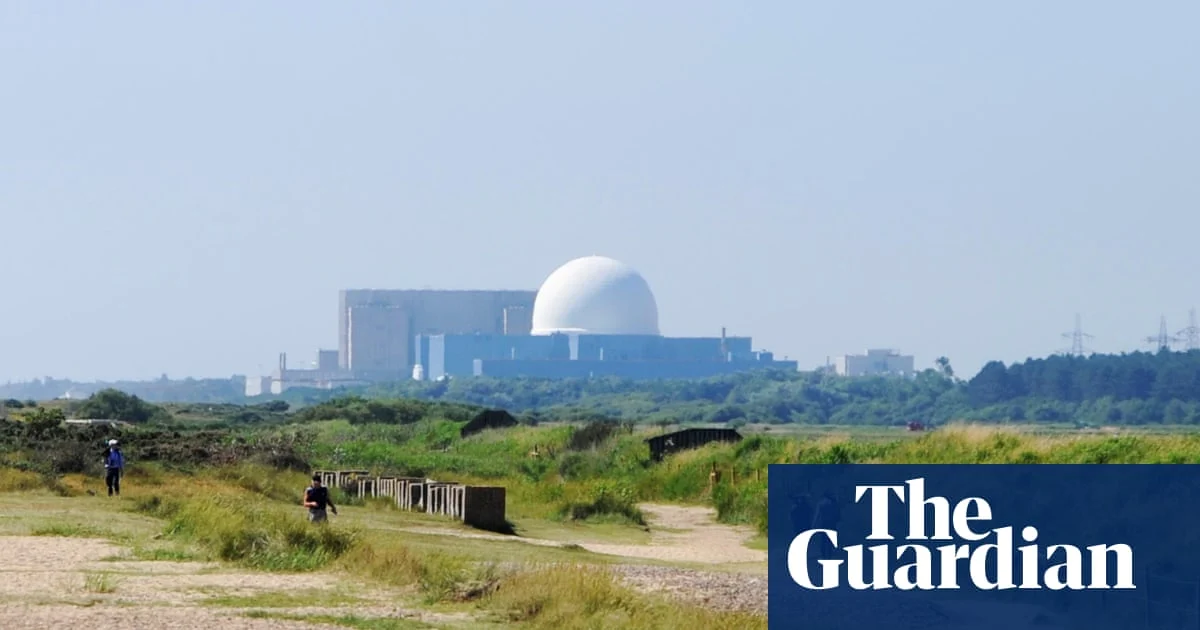
The Green party of England and Wales has voted to end its longstanding opposition to nuclear power, marking a major shift in the party’s energy policy. The motion, adopted at the party’s conference, removes a ‘blanket opposition to nuclear fission’ and instead commits the Green party to assessing nuclear projects alongside other low-carbon technologies.
This change represents a significant departure from the party’s historical stance, which had opposed nuclear energy as part of its broader environmental platform. Delegates at the conference approved the motion as part of a reevaluation of how the party evaluates energy technologies moving forward.
Key Facts
- Green party members voted to end opposition to nuclear power.
- The motion was adopted at the party’s conference.
- Previous policy included a commitment to phase out nuclear technology.
- New policy removes ‘blanket opposition to nuclear fission’.
- Nuclear projects will now be assessed alongside other low-carbon technologies.
The Story
What happened at the conference?
At its conference, the Green party of England and Wales adopted a motion that formally ends its decades-long opposition to nuclear power. The new policy replaces a previous commitment to phase out nuclear energy entirely, removing what the motion described as a ‘blanket opposition to nuclear fission.’ Instead, the party will now evaluate nuclear energy projects using the same criteria applied to other low-carbon energy sources such as wind, solar, and hydropower.
This shift reflects an internal reexamination of the party’s energy strategy. By treating nuclear power as a potential contributor to climate goals rather than an inherently unacceptable technology, the Greens align themselves more closely with mainstream UK energy policy discussions, where nuclear power has long been considered a key component of decarbonization efforts alongside renewables.
Why the change now?
While the source does not detail the specific drivers behind the policy shift, the move comes amid growing global debate over the role of nuclear power in achieving net-zero emissions. Several countries have reconsidered their nuclear policies in recent years, weighing the technology’s low-carbon profile against concerns about safety, waste disposal, and construction costs.
The Green party’s decision may also reflect evolving public opinion and scientific consensus around nuclear energy’s potential contribution to climate mitigation. By opening the door to nuclear power, the party signals a more nuanced approach to environmental policymaking—one that prioritizes emissions reductions over ideological purity.
How might this affect future energy debates?
The policy update positions the Green party differently within the UK’s political landscape. Historically, the party’s anti-nuclear stance set it apart from larger parties such as Labour and the Conservatives, both of which have supported new nuclear developments. With this change, the Greens close part of that gap, potentially reshaping coalition discussions and electoral messaging on energy policy.
Moving forward, the party’s willingness to reassess its platform based on technological and scientific developments could signal greater flexibility in its approach to complex policy issues. Whether this shift helps or hinders the party electorally remains uncertain, but it underscores a broader trend toward pragmatism in environmental politics.
What We Know — and What We Don’t
Verified by the source:
- The Green party of England and Wales voted to end its opposition to nuclear power.
- The motion was adopted at the party’s conference.
- The previous policy included a commitment to phase out nuclear power.
- The new policy removes ‘blanket opposition to nuclear fission’.
- Nuclear projects will be assessed alongside other low-carbon technologies.
Still unconfirmed:
- The specific reasons behind the policy change are not provided.
- No details are given about who proposed or led the motion.
- Exact vote totals or levels of dissent within the party are unknown.
- The impact of this change on upcoming elections or policy formation is unclear.
Why It Matters
The Green party’s reversal on nuclear power reflects shifting dynamics in global climate policy. As nations strive to reduce carbon emissions, many are revisiting nuclear energy as a reliable, low-carbon power source. This development could influence broader energy policy debates in the UK and beyond, particularly as smaller parties play outsized roles in coalition governments and public discourse.
What To Watch
Future statements from the Green party may clarify how this new stance translates into legislative priorities. Observers will also watch whether other parties respond to the change and how it affects alliance-building discussions around energy policy. For ongoing coverage of political developments, visit our politics and war-geopolitics sections.