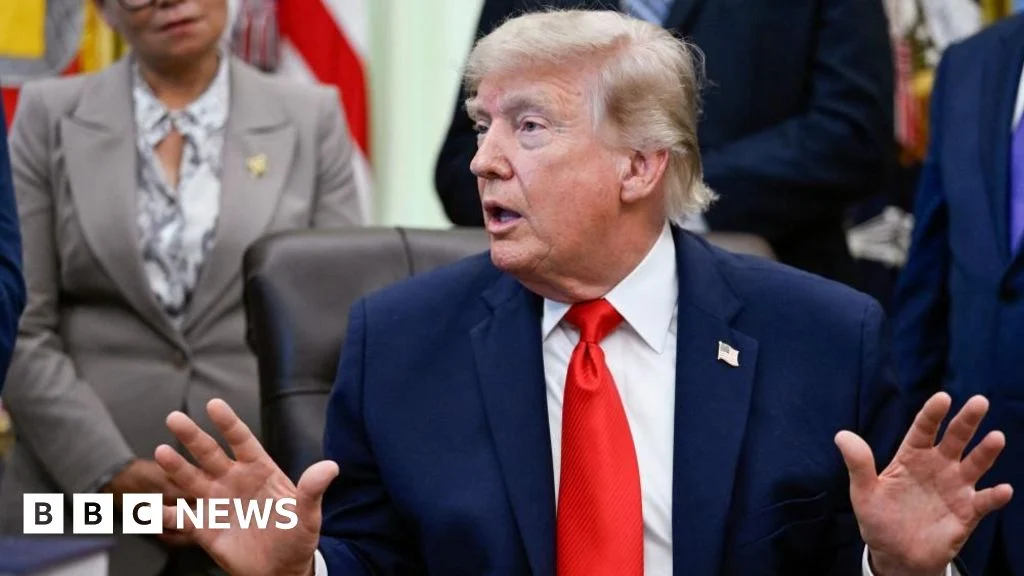
Trump announced on Thursday that a US‑Iran nuclear deal will be signed on Sunday, a bold claim that sent markets jittering and the Kremlin humming in the background.
In a televised interview, the president said, “We are going to sign the agreement on Sunday, and it will be a historic moment for peace.” The remark came just hours after Iran’s foreign ministry warned that “the exact date of any agreement remains under discussion.”
Iran’s caution was not a surprise. Tehran’s spokesperson told reporters that while negotiations had moved forward, “no final timetable has been set.” The discrepancy between the two sides raises the question: will a deal truly be sealed this weekend?
Why does this matter?
The US‑Iran deal, officially known as the Joint Comprehensive Plan of Action (JCPOA), underpins global oil prices, regional security, and the lives of millions of Americans holding Iranian assets frozen since 2018. A Sunday signing would mean the immediate release of roughly $6 billion of Iranian funds, a boost for Tehran’s war‑torn economy, and a potential dip in oil futures that could shave 0.3% off gasoline prices at the pump.
For investors, the headline reverberates through the economy and markets arena. Traders on the New York Stock Exchange reacted within minutes, with energy ETFs slipping 1.2% and airlines gaining 0.8% on expectations of lower fuel costs.
What happens next?
Even if the president’s timeline holds, the deal still requires ratification by the Senate and a formal exchange of diplomatic notes. Legal analysts note that past attempts at JCPOA revival stalled in the Senate for months, suggesting that a Sunday signing may only be the ceremonial start of a longer, uncertain process.
Meanwhile, Israeli officials have publicly warned that any agreement must include stringent inspections of Iran’s nuclear facilities. Their statements, though not quoted here, add another layer of complexity to a deal already fraught with geopolitical tension.
Critics argue that Trump’s premature announcement could be a political gambit aimed at bolstering his re‑election narrative. If the signing slips, a backlash could erode public confidence in the administration’s foreign‑policy competence.
Yet for ordinary Americans, the prospect of a thaw in US‑Iran relations could mean reduced risk of accidental escalation in the Persian Gulf, lower insurance premiums for shipping, and a modest dent in inflationary pressures.
Who is affected?
Beyond Washington and Tehran, the deal touches diaspora communities, regional allies like the United Arab Emirates, and even European firms that have waited years to resume joint ventures with Iranian energy firms.
The next few days will reveal whether Sunday’s promise turns into a binding accord or fades into another missed diplomatic milestone.
Stay tuned as the potential signing approaches, and watch how the ripple effects reshape geopolitics, markets, and everyday life.