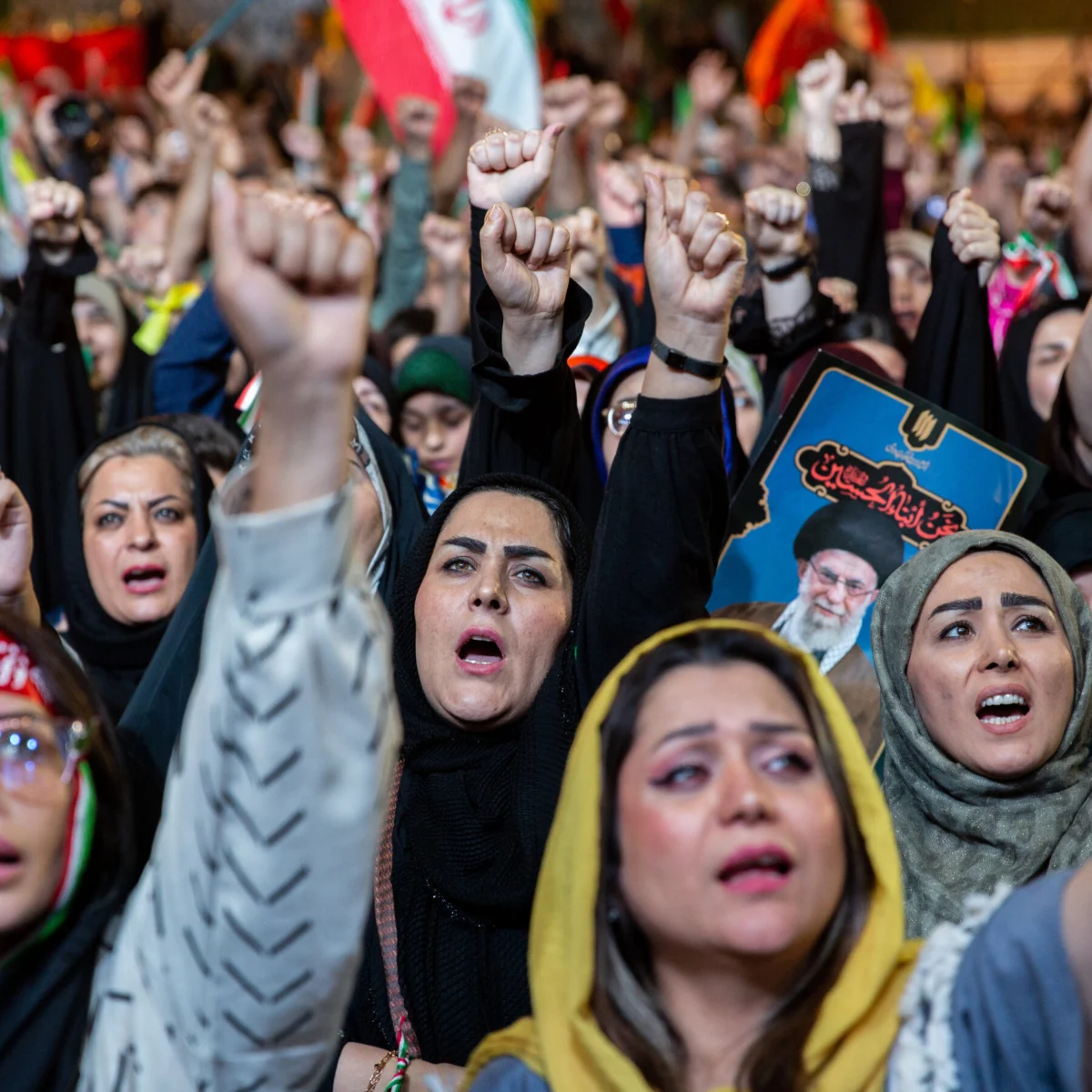
At 8:17 a.m. Tehran time, a single flicker of a news ticker on Iranian state TV announced that a “peace deal could be signed in the coming days,” jarring a crowd of diplomats who had been bracing for a Friday conclusion.
Donald Trump, speaking from the White House roof, told reporters that a peace deal would be inked on Sunday, June 15, before a live audience of supporters. “We will have a signed agreement this Sunday,” he said, his voice echoing across the press pool.
Just hours later, an Iranian foreign ministry official appeared on the same channel and said there were “no plans for a Sunday signing” and that any agreement would be finalized “in the coming days,” not on a set deadline.
What the two sides are saying
Trump’s claim rests on a back‑channel meeting between senior U.S. negotiators and Iranian hardliners that concluded late Thursday. The White House press secretary has not released a transcript, but aides hinted the talks were “productive enough to set a firm date.”
Iran’s foreign ministry, meanwhile, cited customary diplomatic caution. In a brief statement, the unnamed official warned against “premature optimism” and emphasized that a durable settlement must address “nuclear constraints, regional security, and economic relief for Iranian citizens.”
Why does this matter?
The difference between a promised Sunday signing and an undefined timeline isn’t just semantics. A confirmed peace deal could lift the $370 billion of U.S. sanctions that have crippled Iran’s oil exports, lower global oil prices, and shift the strategic balance in the Gulf. For ordinary Americans, it could mean cheaper gasoline; for Iranian families, it could mean restored access to medicines and banking services.
Markets have already reacted. The S&P 500 slipped 0.4 % after Trump’s announcement, while Iran’s rial steadied at 450,000 per dollar—a modest gain after weeks of volatility.
Critics warn that a rushed agreement risks loopholes that could allow Tehran to resume covert nuclear enrichment. European allies, who have been mediators, have called for “a thorough verification regime” before any signing.
What happens next?
Both camps are scheduling additional meetings. The U.S. delegation plans to reconvene in New York on Monday, while Tehran says a senior official will travel to Vienna for a UN‑backed review on Wednesday.
If a deal materializes, the United Nations Security Council will have to vote on lifting sanctions—a process that could take weeks, even after a signed document.
For now, the world watches a fragile cease‑fire of words, waiting to see whether Sunday’s promise becomes a reality or merely another headline.