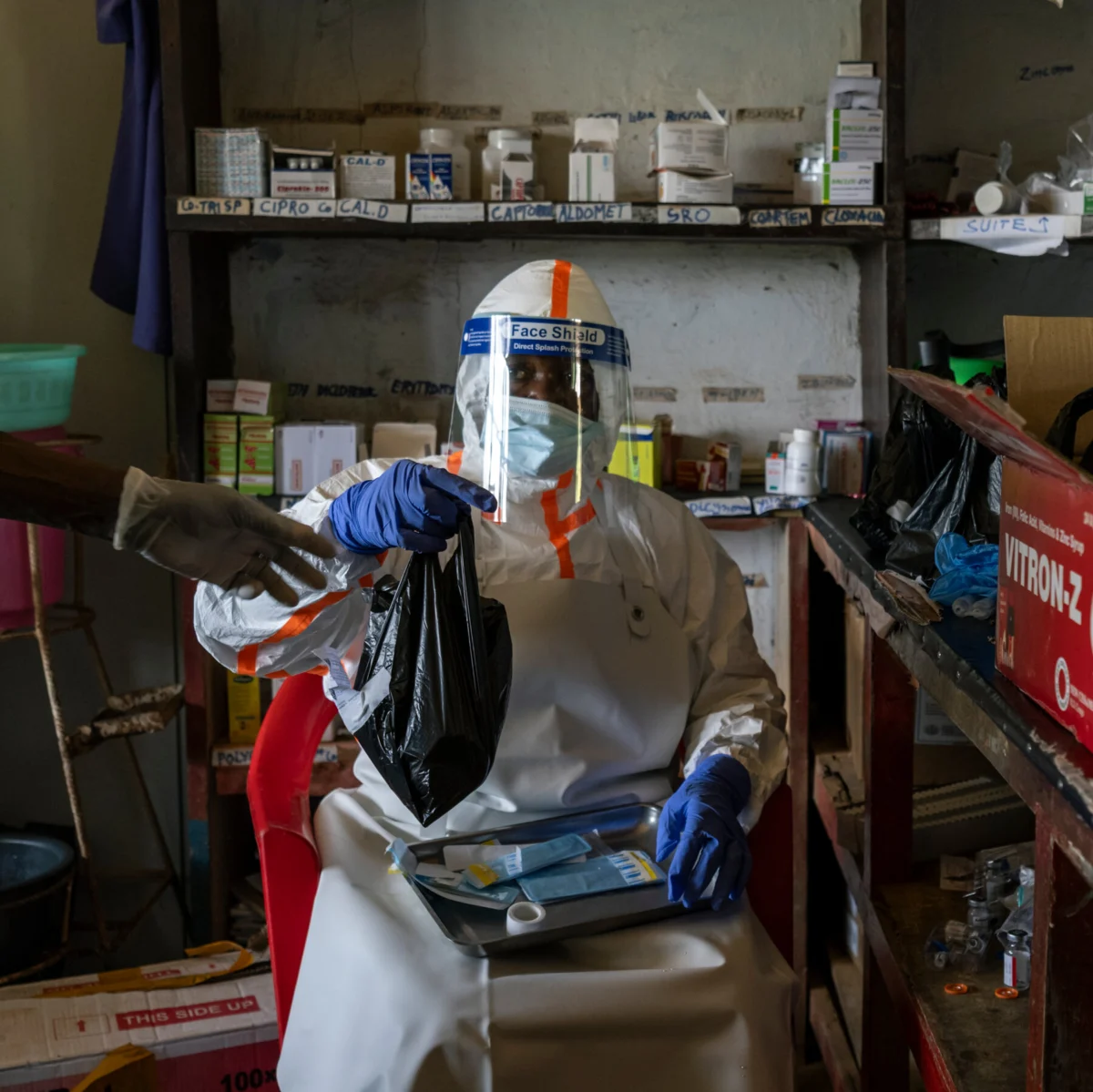
In the makeshift clinic outside Beni, a 32‑year‑old nurse lifted her sleeve to show a fresh bandage – a grim reminder that the latest Ebola outbreak has already claimed 127 lives and infected 342 people.
Scientists are now racing to test Ebola drugs that showed promise in animal models, hoping to halt a virus that has leapt across three provinces in just six weeks.
What treatments are entering trials?
The World Health Organization announced that three experimental therapies – mAb114, REGN‑EB3, and the antiviral brincidofovir – will begin Phase II trials in the DRC this month. mAb114, a monoclonal antibody derived from a 1976 Ebola survivor, saved 92% of patients in a 2019 trial. REGN‑EB3, a cocktail of three antibodies, achieved an 88% survival rate in the same study. Brincidofovir, originally developed for smallpox, reduced viral loads in primates.
“We have a narrow window to prove safety and efficacy before the outbreak peaks,” the WHO statement read.
Why does this matter?
Beyond the immediate death toll, the outbreak threatens regional trade routes that move over $1.2 billion worth of goods each month through the Great Lakes corridor. A prolonged crisis could push neighboring Uganda and Rwanda to tighten borders, disrupting supply chains and inflating food prices across East Africa.
For travelers and diaspora families, the risk is personal. The virus spreads through bodily fluids, and health workers are three times more likely to contract it than the general population.
How fast can the trials move?
Trial sites have been set up in two field hospitals, each equipped with a cold‑chain freezer and a portable PCR lab supplied by the African CDC. Researchers aim to enroll 150 participants by the end of August, a timeline that “pushes the limits of fast‑track clinical research,” according to the trial protocol posted on ClinicalTrials.gov.
Funding comes from a coalition of donors, including the United States Agency for International Development, the European Commission, and philanthropic groups such as the Gates Foundation.
What happens next?
If the interim analysis shows a statistically significant reduction in mortality, the drugs could receive emergency use authorization from the WHO within weeks, enabling mass distribution through the existing Ebola vaccination network.
Conversely, a setback would force health ministries to double down on containment measures – contact tracing, safe burial practices, and community education – that have historically slowed the virus.
Stay tuned as the first trial results are expected in early September, a critical juncture that could reshape the global response to Ebola.
Read more on related topics in health and science and the geopolitical ripple effects in war and geopolitics.