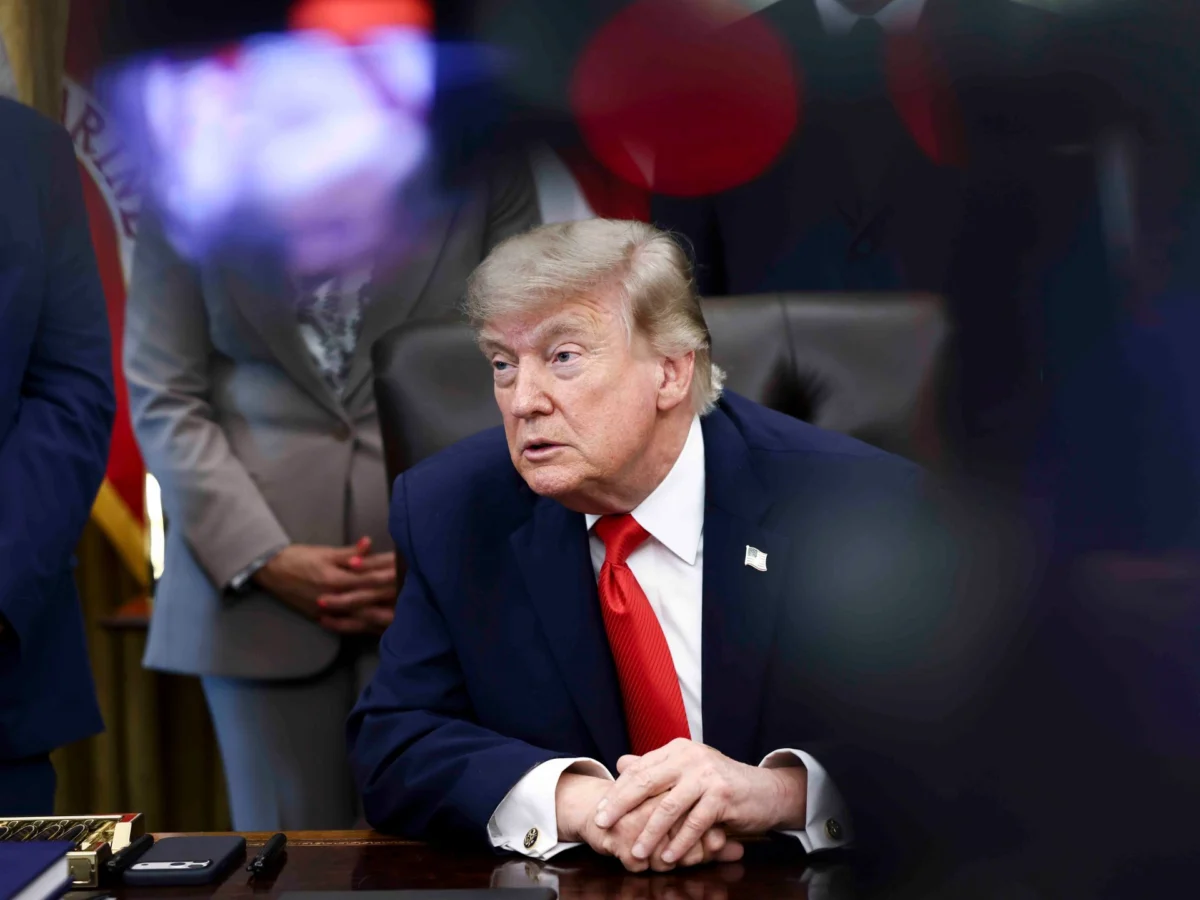
Former President Donald Trump stood beside a whiteboard emblazoned with a hand‑drawn map of the Persian Gulf and announced, “Tomorrow we will sign the Iran deal.” The declaration came at a press briefing in Washington, DC, just hours after Iran’s foreign ministry spokesperson warned that no agreement had been finalized.
Trump’s statement threw the diplomatic community into a frenzy. In the same day, two separate negotiating teams – the U.S. delegation led by Jake Sullivan’s deputy and the Iranian negotiating squad headed by former UN ambassador Ali Akbar Salehi – reported that they were “within striking distance” of a cessation‑of‑hostilities accord, but could not agree on the exact signing date.
Why does this matter?
For the 80 million Americans who pay higher gas prices because of the ongoing conflict, a binding Iran deal could mean a swift end to American air strikes and a return of oil shipments through the Strait of Hormuz. Global markets watch these talks closely; the MSCI World Index rose 0.6% on Thursday when the first hints of a deal emerged.
In practical terms, a signed deal could lift the $300 billion in U.S. sanctions that have crippled Iran’s banking sector, potentially restoring trade routes that have been dormant since 2024.
What happens next?
Analysts stress that signing does not guarantee implementation. The agreement must survive a 30‑day ratification period in the U.S. Senate and a similar review in Iran’s Majlis. Moreover, regional allies – Saudi Arabia and Israel – have demanded guarantees that Iranian proxy groups in Yemen and Lebanon will cease fire.
“We are close, but not at the point of signing,” said a senior U.S. official who briefed Al Jazeera, speaking on condition of anonymity. The same source noted that the U.S. side expects a “temporary cease‑fire” to be part of the final text.
Iranian officials, however, have repeatedly emphasized that any deal must include a complete UN‑mandated lift of sanctions and a clear timeline for the withdrawal of U.S. troops from the region.
Who is affected?
Beyond the strategic calculus of Washington and Tehran, the populations of Iraq, Syria, and Lebanon stand to feel the immediate impact. Humanitarian NGOs report that 2.3 million people in northern Iraq have been displaced since the conflict escalated in 2023.
Business leaders in the economy and markets sector warn that any misstep could trigger a rapid spike in oil prices, eroding gains made by consumers in the first half of 2026.
For everyday citizens, the promise of an Iran deal translates to fewer news alerts about missile strikes, steadier energy bills, and a chance for reconstruction funds to flow into war‑torn neighborhoods.
Why does the timeline matter?
Trump’s claim that the agreement will be signed tomorrow creates a high‑stakes deadline that puts pressure on both negotiators. If the deal is delayed, political opponents in the United States may use the missed deadline to criticize the administration’s foreign‑policy competence, while hard‑liners in Tehran could demand a reshuffling of the negotiation team.
All eyes now turn to the Joint Commission meeting scheduled for 18:00 GMT on June 14. If the signatures are affixed, the world will watch the first implementation steps unfold over the next 90 days.
Stay tuned as the story develops – the next few hours could reshape global security and economic stability.