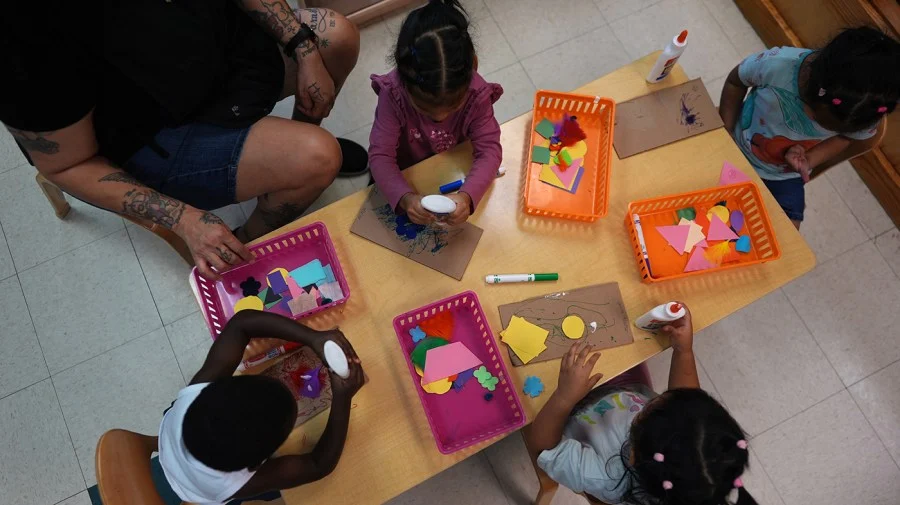
The Trump administration is moving forward with proposed changes to Head Start, the federal early childhood education program serving low-income families, drawing strong opposition from advocates who argue the reforms could limit access. The program currently serves roughly 700,000 students, and stakeholders have a limited window to provide feedback before decisions are finalized.
Advocates fear the Head Start changes may reduce eligibility or alter funding structures, potentially shrinking access for families who rely on the program. With only days left for public input, organizations representing educators, parents, and child welfare groups are urging the public to respond.
Key Facts
- The Trump administration is advancing Head Start changes to the federal early childhood education program.
- 700,000 students are currently served by Head Start.
- Advocates say the Head Start changes could limit access for low-income families.
- Interested parties had until Tuesday to submit feedback on the Head Start changes.
- The program targets low-income families across the United States.
What happens next with Head Start changes?
Following the close of public comment periods, the Department of Health and Human Services will review submitted feedback before finalizing regulations. Advocates are watching closely, as revisions to eligibility rules or funding formulas could reshape how thousands of centers operate. The outcome may affect staffing, enrollment caps, and the scope of services provided at participating facilities.
Some critics worry that shifting oversight to state-based models could introduce variability in quality standards. Others hope streamlined processes might reduce bureaucratic delays. Regardless of perspective, the Head Start changes are expected to influence federal spending and local service delivery for years to come.
Who is affected by Head Start changes?
The primary population impacted includes low-income families seeking early childhood education and care. Centers funded under the program, along with their employees and contractors, will face new compliance demands. Advocacy organizations note that children with disabilities, English language learners, and rural communities often depend heavily on Head Start resources.
If eligibility thresholds shift or funding formulas adjust, some centers may close while others expand. Parents who currently rely on the program for work or schooling support may need to seek alternatives. The ripple effects extend into housing, nutrition, and healthcare programs that frequently coordinate with Head Start services.
Why it matters
Head Start plays a foundational role in U.S. social policy, offering educational readiness, meals, and health screenings to vulnerable young children. Changes to its structure or reach can shape long-term economic mobility and workforce development outcomes.
What to watch
Final rulemaking decisions are anticipated later this year, and additional advocacy responses may emerge as stakeholders analyze the proposed framework.
What We Know — and What We Don’t
Verified by the source:
- The Trump administration is proposing reforms to Head Start.
- The program serves approximately 700,000 students.
- Feedback was requested from interested parties.
Still unconfirmed:
- Specific policy details behind the proposed changes.
- Exact deadline for submitting comments.
- Names of officials leading the reform effort.