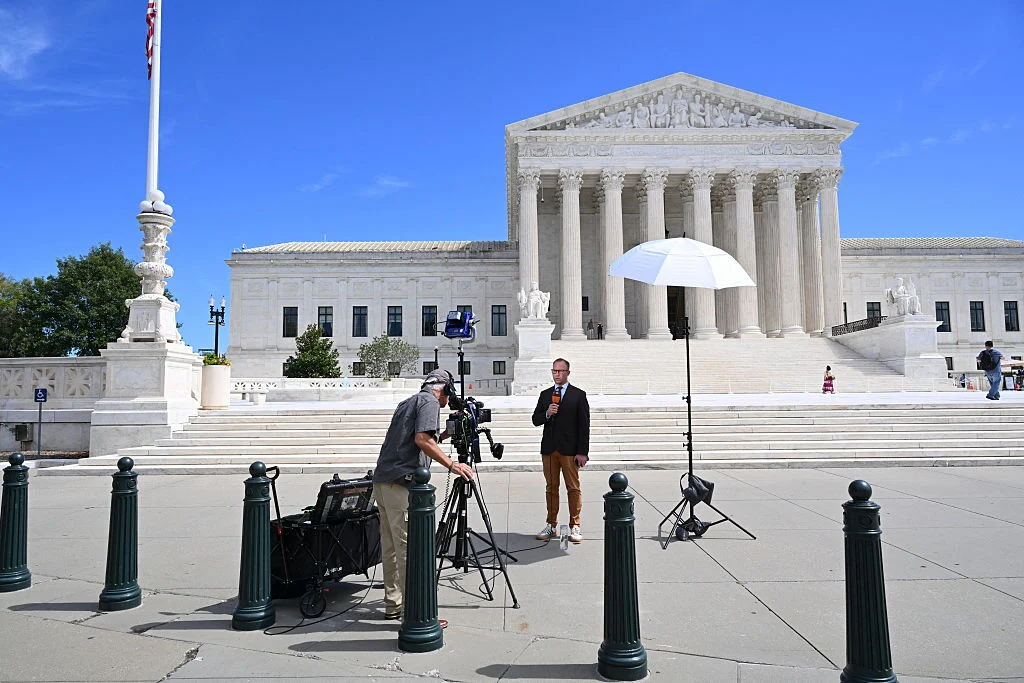
The Supreme Court term opens on Monday with a docket packed with divisive and consequential cases spanning religion, guns, and climate change. These cases come as the court continues to navigate its emergency docket, which has remained active and influential throughout recent terms. The combination of major policy issues and repeated emergency applications underscores the court’s role at the center of national legal battles.
This opening term sets the stage for another year of intense scrutiny, with the court poised to issue rulings that will shape American life across fundamental issues of public policy and civil rights.
KEY FACTS
- The Supreme Court term begins on Monday with major cases pending.
- Religion, guns, and climate change are central topics on the term’s agenda.
- The court’s emergency docket remains active during the term.
What Cases Will Define This Supreme Court Term?
The upcoming docket includes cases that touch on some of the most politically charged areas in American law. Religion clause disputes often involve conflicts between institutional religious liberty and anti-discrimination laws. Gun-related cases typically center on the scope of Second Amendment protections and state-level regulation. Climate and environmental cases involve federal regulatory authority and the reach of agencies such as the EPA. These topics alone suggest a term filled with potential for significant legal shifts.
Each case carries the weight of national impact, as the Supreme Court is the final arbiter of constitutional interpretation. The outcomes could redefine how constitutional rights are understood and applied across the country, especially on issues where public opinion is deeply divided.
The court’s approach to these cases may also reflect broader trends in judicial philosophy, including how justices weigh precedent against evolving societal norms. Observers will closely watch whether the court leans toward expanding individual rights or deferring to institutional authority in each area.
How the Emergency Docket Keeps the Court in the Spotlight
Beyond the scheduled arguments, the Supreme Court’s emergency docket has played an increasingly prominent role in recent years. Emergency applications allow parties to request immediate action from the court, often seeking stays of lower court decisions. These orders can have sweeping effects, particularly when they halt major policies or enforcement actions related to immigration, public health, or elections.
The emergency docket does not require full briefing or oral argument, meaning justices can issue decisions with limited public explanation. This aspect of the court’s work has drawn criticism from those who argue it allows a shadow docket to bypass normal judicial process. Supporters say it is necessary to address urgent legal questions quickly.
The continued prominence of the emergency docket suggests that the Supreme Court will face ongoing pressure to respond rapidly to crises and disputes. This dynamic adds another layer of unpredictability to an already significant term of scheduled cases.
WHAT WE KNOW — AND WHAT WE DON’T
Verified by the source:
- The Supreme Court term opens on Monday.
- Major cases involve religion, guns, and climate change.
- The emergency docket remains active during the term.
Still unconfirmed:
- Specific identities of litigants or attorneys involved in the cases.
- Exact timing of decisions or argument schedules.
- Prior rulings from lower courts referenced in the cases.
- Internal discussions or voting patterns among justices.
Why It Matters
The Supreme Court’s decisions shape the boundaries of American democracy, affecting civil liberties, governmental power, and everyday rights. This term’s cases arrive at a moment of heightened public attention, with the court continuing to influence debates over religion, firearms, and environmental protection. Regardless of the outcomes, the rulings will set new benchmarks for constitutional law in the coming decade.
What To Watch
The court has yet to announce specific argument dates or final decision timelines for the major cases. As the term unfolds, further developments will clarify whether recent trends in judicial reasoning continue or shift in response to public and political pressures.