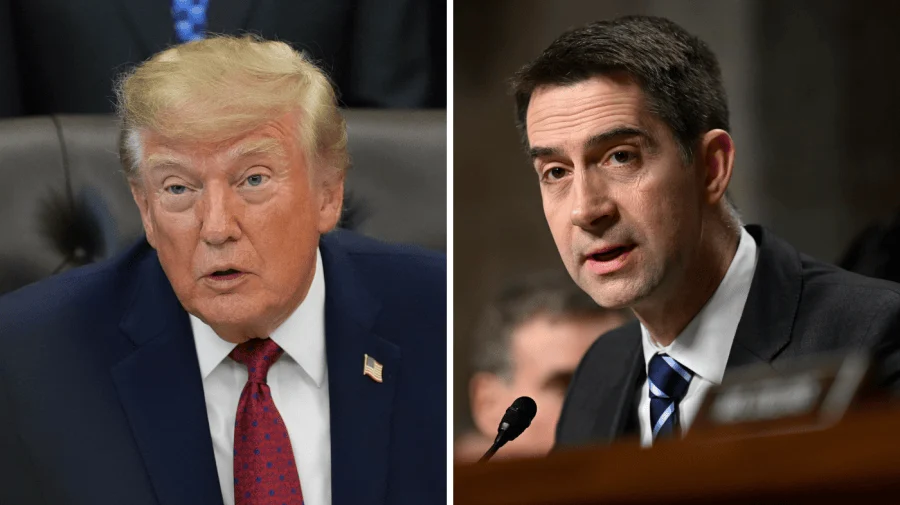
President Trump and Senator Tom Cotton engaged in a public feud over a daylight savings time bill following the circulation of the senator’s cell phone number, according to reporting from Just In News. The dispute centered on differing positions regarding proposed federal legislation that would affect how daylight saving time is observed across the United States. President Trump encouraged supporters to contact Senator Cotton directly, urging the lawmaker to support the measure. The confrontation unfolded on social media platforms, where the president shared content encouraging public pressure. Senators and other lawmakers frequently use their official websites, social media accounts, and press offices to communicate legislative positions. Daylight saving time policy has long generated debate among federal officials and constituents alike.
Key Facts
- President Trump and Senator Tom Cotton clashed publicly over a daylight savings bill.
- The dispute followed the sharing of the senator’s cell phone number on social media.
- President Trump posted on Truth Social encouraging supporters to call the senator.
- Supporters were urged to press Senator Cotton to back daylight saving time legislation.
- The posts and calls came amid ongoing legislative consideration of the daylight savings bill.
How Did the Dispute Begin?
The immediate trigger was a Truth Social post in which the president urged his supporters to contact Senator Cotton and advocate for the daylight savings measure. That same post reportedly led to the senator’s personal cell phone number being circulated. Federal legislators regularly field calls from constituents through public offices, press aides, and official websites rather than direct personal lines. Privacy concerns surrounding elected officials have grown alongside increased digital engagement. The White House and Senate offices have not commented in detail on internal communication protocols during such episodes. Lawmakers typically direct public feedback through formal advisory systems or scheduled town halls.
What Happens Next?
Neither the White House nor Senator Cotton’s office has issued a formal response detailing resolution steps. Congressional calendars remain fluid; additional votes on the daylight savings bill may follow committee reviews. Public engagement campaigns often influence committee timelines and floor scheduling. Journalists note that episodes involving personal contact information rarely alter underlying legislative outcomes. Advocacy groups continue tracking member positions ahead of future consideration.
What We Know — and What We Don’t
Verified by the source:
- The president and senator disagreed over a daylight savings bill.
- The senator’s cell phone number was shared on social media.
- Truth Social was used to encourage calls to the senator.
Still unconfirmed:
- The specific date and time of the posts.
- Whether the bill passed or stalled in committee.
- Whether the senator actually received calls from supporters.
- The identity of anyone who originally disclosed the phone number.
Why It Matters
This episode reflects how social media can escalate routine legislative disagreements into highly personal confrontations. Citizens increasingly turn to elected officials for clarity on policies affecting daily life, including timekeeping changes that impact energy use and commerce. When personal contact details surface online, privacy risks grow while public discourse can become more volatile. These dynamics shape how future bills gain traction in polarized environments.
What To Watch
Watch for whether the daylight savings bill advances through committee markup sessions in coming weeks, and if any lawmaker calls for enhanced digital privacy protections after the number leak.