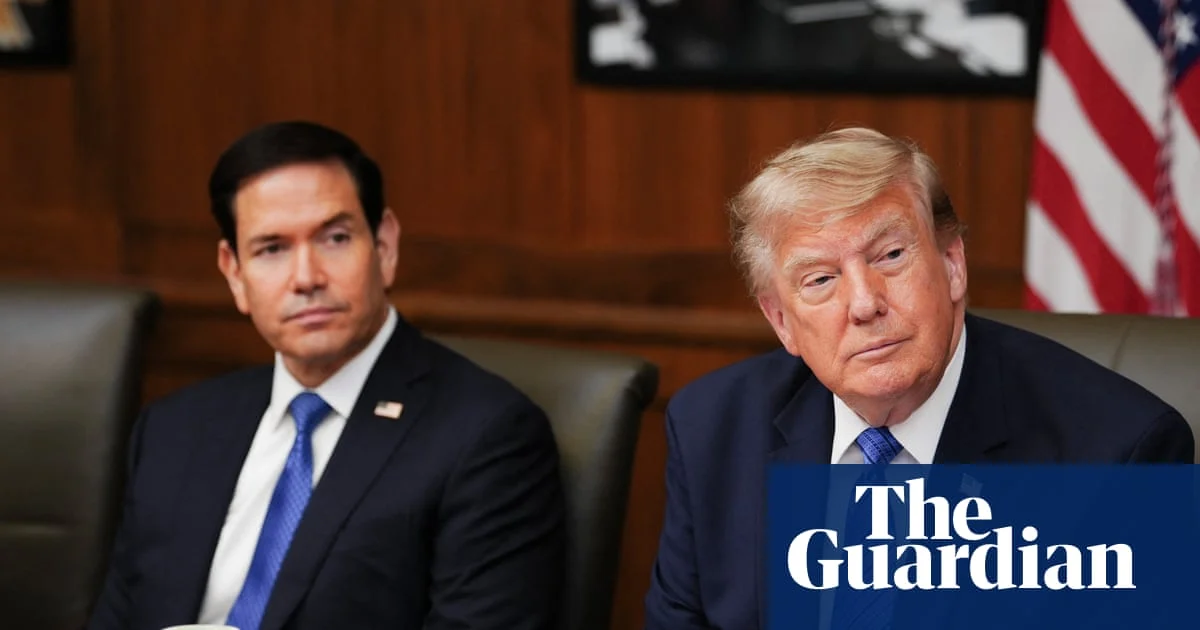
Washington and Florida insiders are jockeying for control of Cuba’s key assets, positioning themselves for potential business opportunities if the communist regime collapses, according to reporting by World news | The Guardian.
The growing cast of actors includes Trump-aligned figures, Rubio-linked lobbyists, and Cuban exiles, all aiming to benefit from a post-communist transition. Their efforts come as U.S. sanctions intensify and foreign companies continue to exit the island.
Key Facts
- Trump and Rubio allies are exploring control of Cuba’s assets if the regime falls, World news | The Guardian.
- U.S. Secretary of State Marco Rubio stated there are “no escape valves” from new sanctions, World news | The Guardian.
- Foreign firms including Spanish hotel chains and European shipping giants have left Cuba over secondary sanctions, World news | The Guardian.
- Insiders are charging high fees to help clients navigate the expanding sanctions web, World news | The Guardian.
- The push follows ever-increasing U.S. sanctions targeting Cuba’s economy, World news | The Guardian.
What Happens Next?
The situation hinges on whether the Cuban regime collapses or undergoes significant political change. If that occurs, the individuals and groups currently building influence would likely seek formal roles in economic recovery or asset reallocation. Until then, they continue offering advisory and lobbying services tied to navigating complex sanctions frameworks. The Guardian notes that some actors are also preparing for indirect influence through third-party intermediaries.
Meanwhile, U.S. policy under Rubio remains uncompromising. His stance suggests continued economic pressure with no immediate plans for relief. That leaves little legal room for most current or former investors to return, pushing potential future opportunity into the hands of politically connected insiders. These actors are building networks and positioning contracts ahead of any formal policy shift.
For now, no official U.S. government plan for a post-regime Cuba has been confirmed publicly. Any major developments would likely require new legislation, executive orders, or a dramatic geopolitical event on the island.
Who Is Affected?
Foreign companies previously operating in Cuba have already withdrawn due to fear of punitive secondary sanctions, including European logistics firms and Canadian mining interests. Credit card providers like Visa and Mastercard have also exited local partnerships. These companies represent millions in lost revenue and abandoned projects. War-geopolitics watchers say such withdrawals signal deep confidence among international businesses that current U.S. enforcement will remain severe.
Cuban exile communities and diaspora investors are also part of the growing field eyeing future opportunities. Many have personal or family ties to pre-revolutionary asset ownership, making them attractive partners for U.S.-based firms seeking entry into a restructured market. However, their ability to act depends entirely on how any new Cuban government treats property claims and foreign investment laws.
Domestically, American lawmakers may face pressure to regulate these informal advisory networks. So far, no legislation targeting them has advanced. Economy and markets analysts note rising lobbying activity centered on Latin America and financial compliance sectors related to the Cuba file.
What We Know and What We Don’t
Verified by the source:
- A network of Trump and Rubio allies is actively preparing for post-regime Cuba business dealings.
- Marco Rubio has publicly rejected any sanctions exemptions.
- Multiple foreign companies have suspended operations in Cuba due to sanctions concerns.
- Many insiders are charging premium rates to guide clients through sanctions compliance.
Still unconfirmed:
- No specific list of named individuals involved in the asset-positioning effort.
- No confirmed timeline or conditions under which a regime collapse might occur.
- No public U.S. government strategy outlining post-collapse Cuba policy.
- No verified estimates of financial stakes or projected profits involved.
Why It Matters
This dynamic reflects broader trends in U.S. foreign economic policy, where private interests often align closely with diplomatic objectives. Should Cuba experience a regime transition, those who prepare early could gain outsized influence over reconstruction efforts—an outcome with implications for both U.S. strategic goals and Cuban sovereignty. The intersection of hard-line sanctions and shadowy lobbying underscores how economic warfare can create winner-take-all scenarios even before actual conflict ends.
Meta description: Trump and Rubio allies are positioning for control of Cuba’s assets amid rising U.S. sanctions and growing exile involvement.
What To Watch
Future actions by the State Department and Congress will clarify whether insider positioning translates into official policy. Officials have yet to comment on these informal networks.