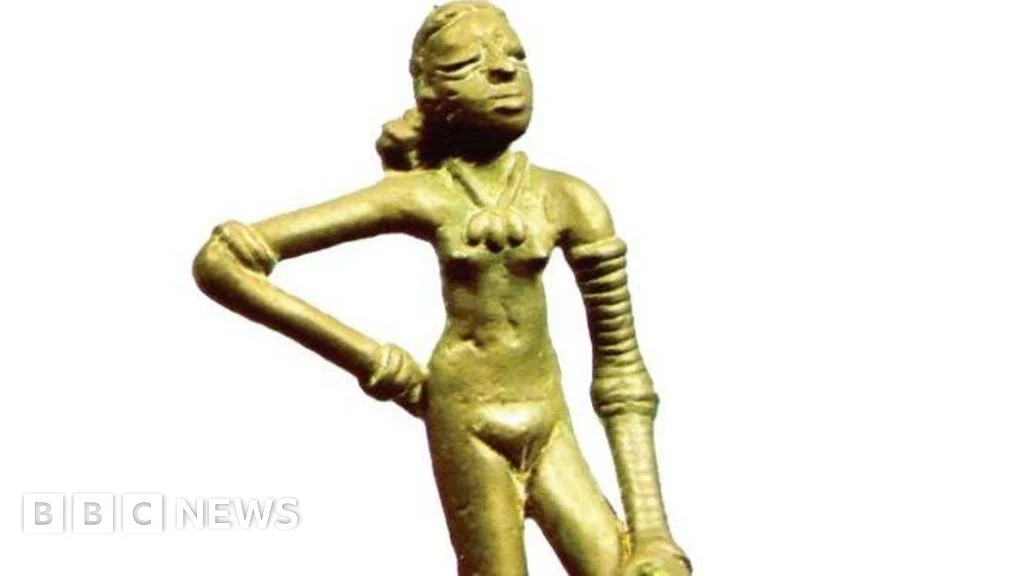
The iconic bronze torso of India’s “Dancing Girl” re‑appeared in a 2026 school textbook after weeks of protest. The figure, a 4,500‑year‑old artifact from the Indus Valley, had been obscured with a black wash in the latest NCERT publication, prompting teachers, students and heritage groups to demand its restoration.
The change came after the Ministry of Education received more than 5,000 emails and 1,200 social‑media posts decrying the alteration. The original illustration, drawn from a high‑resolution scan of the artefact at the National Museum, showed the girl’s bare torso, a detail scholars say is crucial for understanding the civilization’s artistic boldness.
Why the shading sparked a firestorm
When the 2026 Class 8 history textbook hit shelves in January, the figure’s chest and abdomen were rendered in a matte gray that effectively erased the nudity. No official explanation accompanied the edit.
Heritage activist Priya Ramanathan wrote on Twitter, “Covering the ‘Dancing Girl’s’ bare torso is an erasure of our own history.” Within 48 hours, the hashtag #SaveTheTorso trended across India, gathering support from university professors, museum curators and even Bollywood actors.
What does this matter?
Beyond the visual tweak, the episode touches on how India negotiates tradition and modern modesty in public education. Critics argue the shading reflects a growing tendency to sanitize historical content to avoid offending conservative sensibilities.
Education analyst Arjun Mehta noted that textbook revisions have historically been a barometer for cultural policy. “When a 4,500‑year‑old artefact gets censored, it signals a broader shift in how the state curates collective memory,” he told war‑geopolitics readers.
The Ministry responded on March 15, confirming that a senior editor had mistakenly ordered the shading, and that the corrected illustration would be printed in the next quarterly update.
Who is affected?
Millions of students across India will see the restored image in the next edition, a tangible reminder that public pressure can still shape educational content. Publishers face tighter scrutiny, and textbook designers may now double‑check cultural sensitivities before finalising prints.
For parents, the episode raises a question: how much should modern values filter historic truth? For historians, it underscores the need to protect artistic integrity against politicised reinterpretation.
As the corrected textbooks roll out in August, scholars will watch whether this victory encourages a more open dialogue about other contested depictions in curricula.
What happens next?
Education officials have pledged a review of the entire 2026 textbook series, promising transparency and stakeholder consultation. The debate may spill into other subjects where religious or cultural symbols appear, making the restored “Dancing Girl” a benchmark case for future policy.
Stay tuned as the Ministry’s next steps unfold – the outcome could redefine the balance between heritage preservation and contemporary societal norms.