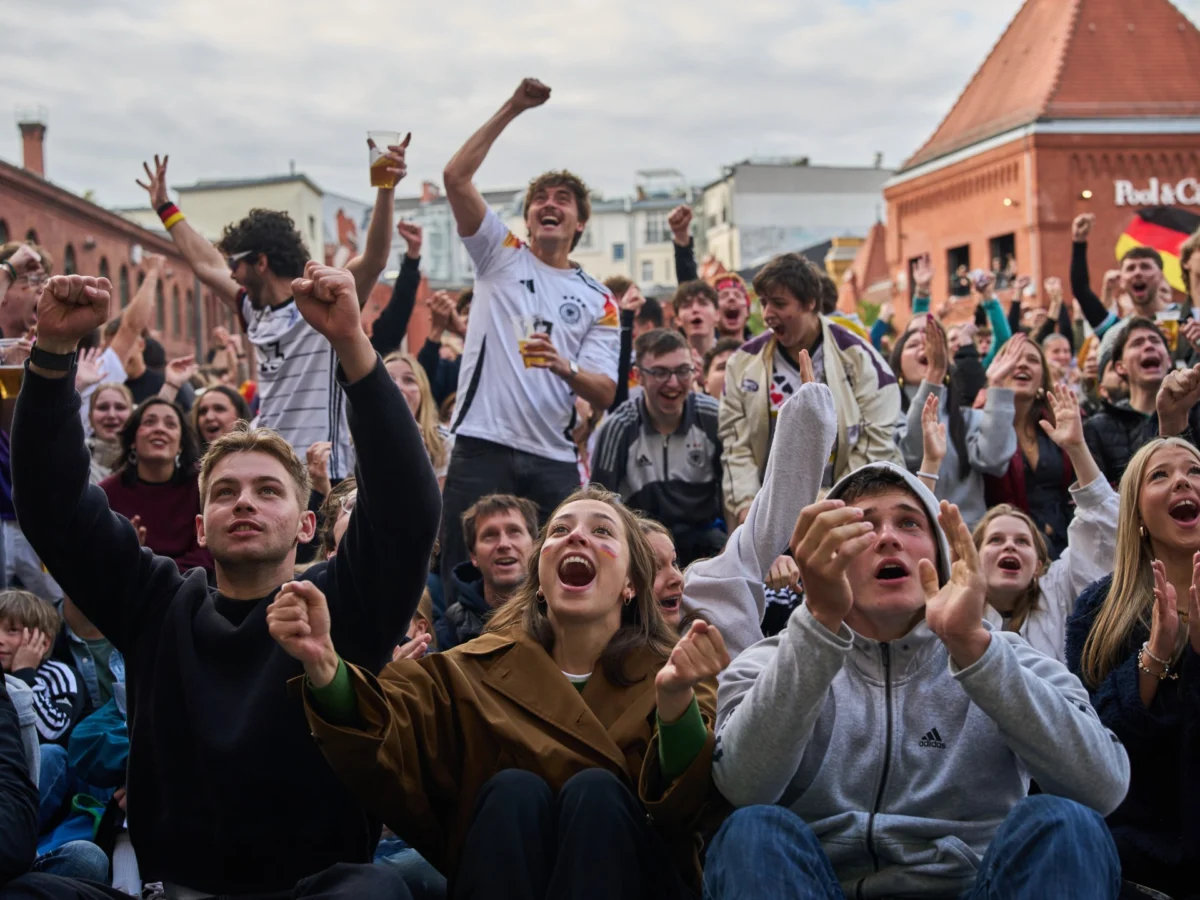
World Cup fans turned a quiet Nairobi suburb into a sea of yellow and green on June 12, when 3,400 locals gathered under a corrugated‑metal awning to watch the quarter‑final match on a borrowed projector.
Across five continents, supporters in jerseys, painted faces and homemade flags are filling plazas, cafés and even train stations to watch the tournament. Al Jazeera’s photo gallery captured a Brazilian samba school dancing outside a Paris metro entrance, a group of Syrian teenagers chanting at a rooftop in Damascus, and a Maori kapa‑haka troupe drumming in Wellington’s waterfront.
How the celebration looks on the ground
In Lagos, a market trader set up a makeshift screen between two stalls, selling popcorn for 200 naira. By kickoff, the line stretched twenty metres; the crowd’s roar rose louder than the honking traffic. In Buenos Arena, a street artist sprayed a 12‑metre mural of a flaming football, while nearby fans waved Argentina’s sky‑blue banner.
Numbers matter. The Al Jazeera gallery counted 27 distinct locations, from the bustling streets of Shanghai to the snowy parks of Oslo. In each spot, at least 500 spectators gathered; in Seoul, a pop‑up arena held 2,800 fans watching on a giant LED wall.
Why does this matter?
These spontaneous gatherings are more than fireworks‑filled fanfare. They reveal how the World Cup functions as a soft‑power bridge, linking societies often divided by politics or conflict. A Syrian teenager, Ahmed, told Al Jazeera he felt “connected to the world for a few hours”—a sentiment echoed by a Kenyan vendor who said the match “made us forget about the price hikes”.
Economically, the surge in informal viewing sites boosts local vendors. In Jakarta, street food receipts rose 26 % on match day, according to a report from the city’s small‑business association.
What happens next?
As the semi‑finals approach, authorities in several capitals are tightening security around ad‑hoc venues. In Moscow, police set up temporary barriers after a “spontaneous” fan zone drew 5,000 people, citing crowd‑control concerns. Meanwhile, social‑media platforms report a 42 % spike in #WorldCupFans trends, fueling more grassroots meet‑ups.
For you, the next match could be playing on the screen in the coffee shop you pass each morning, or on a neighbour’s balcony. The shared experience reminds us that sport can carve a temporary truce in a world otherwise racing toward division.
Stay tuned as the remaining teams battle for the trophy and the world watches where they gather next.