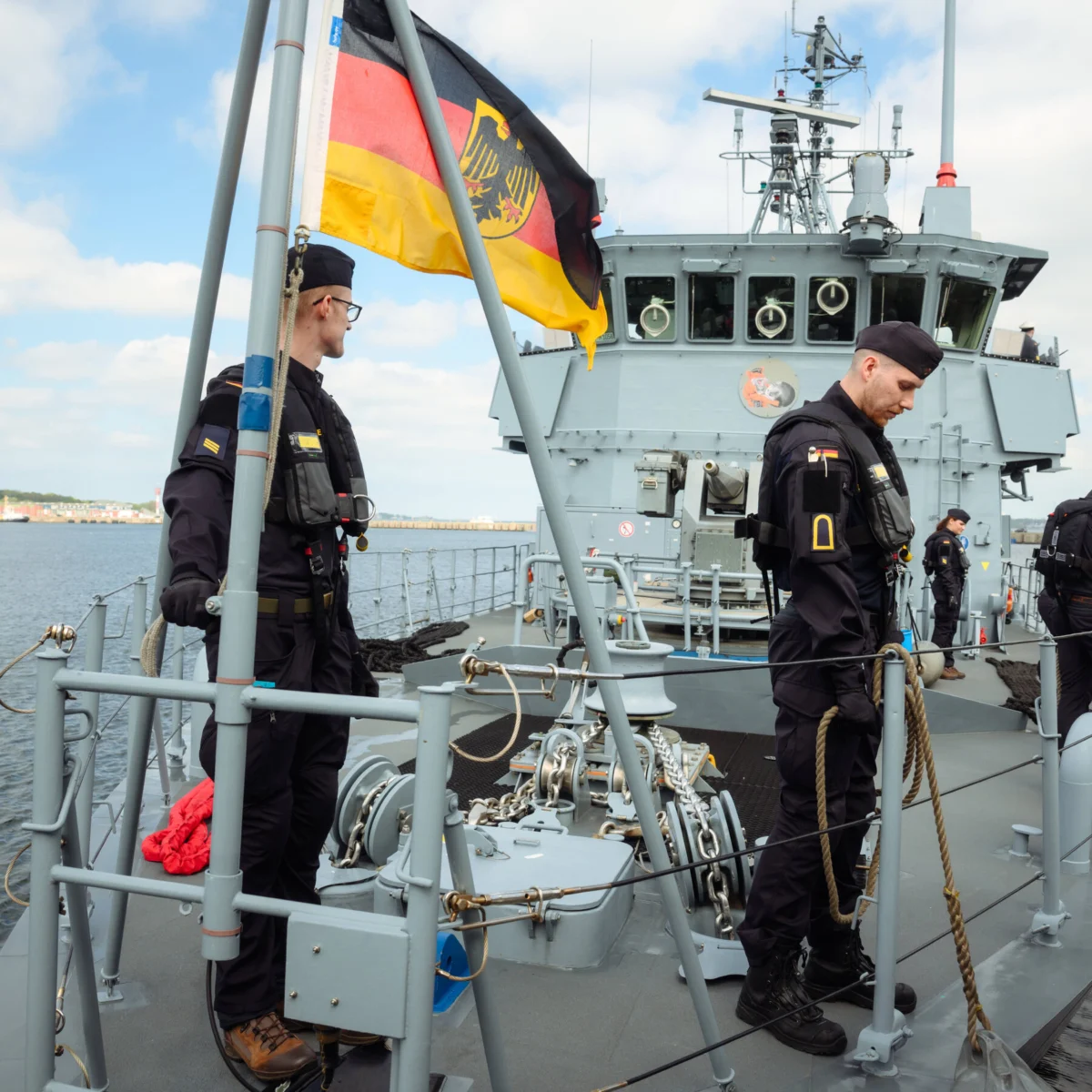
At dawn on June 16, a French minesweeper glided silently into the Strait of Hormuz, its metal hull reflecting the first light on water that carries a third of the world’s oil.
This quiet show of force is the first tangible step of a Hormuz naval sweep that France, Britain and other NATO partners have rehearsed for months.
The operation aims to clear naval mines that Iran may have laid during its recent missile barrage on Gulf shipping.
Why the Hormuz naval sweep matters now
In the last 48 hours, Iranian forces fired more than 30 missiles at commercial vessels, prompting the United Nations to warn of “an acute risk of a broader regional conflict.”
Britain’s Ministry of Defence confirmed that a multinational task force, including two Royal Navy mine‑hunters and three French support ships, will be on standby to enter the water once cease‑fire talks solidify.
The stakes are global. The strait’s 21‑mile width handles roughly 21 million barrels of oil a day—about 20% of global oil consumption.
Disruption would send crude prices soaring, ripple through economy and markets, and force airlines and shipping firms to reroute around the Cape of Good Hope, adding weeks and thousands of dollars to freight costs.
Who is affected?
Beyond the major oil producers, the sweep impacts every driver filling a tank, every airline plotting a flight path, and every investor watching the S&P 500 react to crude price spikes.
Energy analysts estimate that a week‑long closure could shave $15 billion off global GDP, according to a Bloomberg report published earlier this month.
What happens next?
Diplomats say Tehran has hinted it may remove its mines if an international monitoring team verifies that the naval vessels are purely defensive.
Meanwhile, the U.S. Navy’s Fifth Fleet has positioned a destroyer squadron just outside the strait, ready to escort the European ships.
“We are prepared to act decisively to keep the waterway open,” a British spokesperson said in a briefing, underscoring the coalition’s resolve.
Military planners have run three full‑scale drills since February, rehearsing everything from remote‑controlled sweep drones to rapid‑response medical teams.
For now, the minesweepers sit at anchor, crews on watch, awaiting the diplomatic green light.
Why does this matter?
Because when a chokepoint the size of a highway bottleneck snaps shut, the ripple hits every corner of the global economy—and the Hormus naval sweep could be the difference between a brief hiccup and a prolonged crisis.
Stay tuned as negotiations unfold; the next 48 hours will decide whether the world’s oil lifeline stays open or scrapes for a new route.