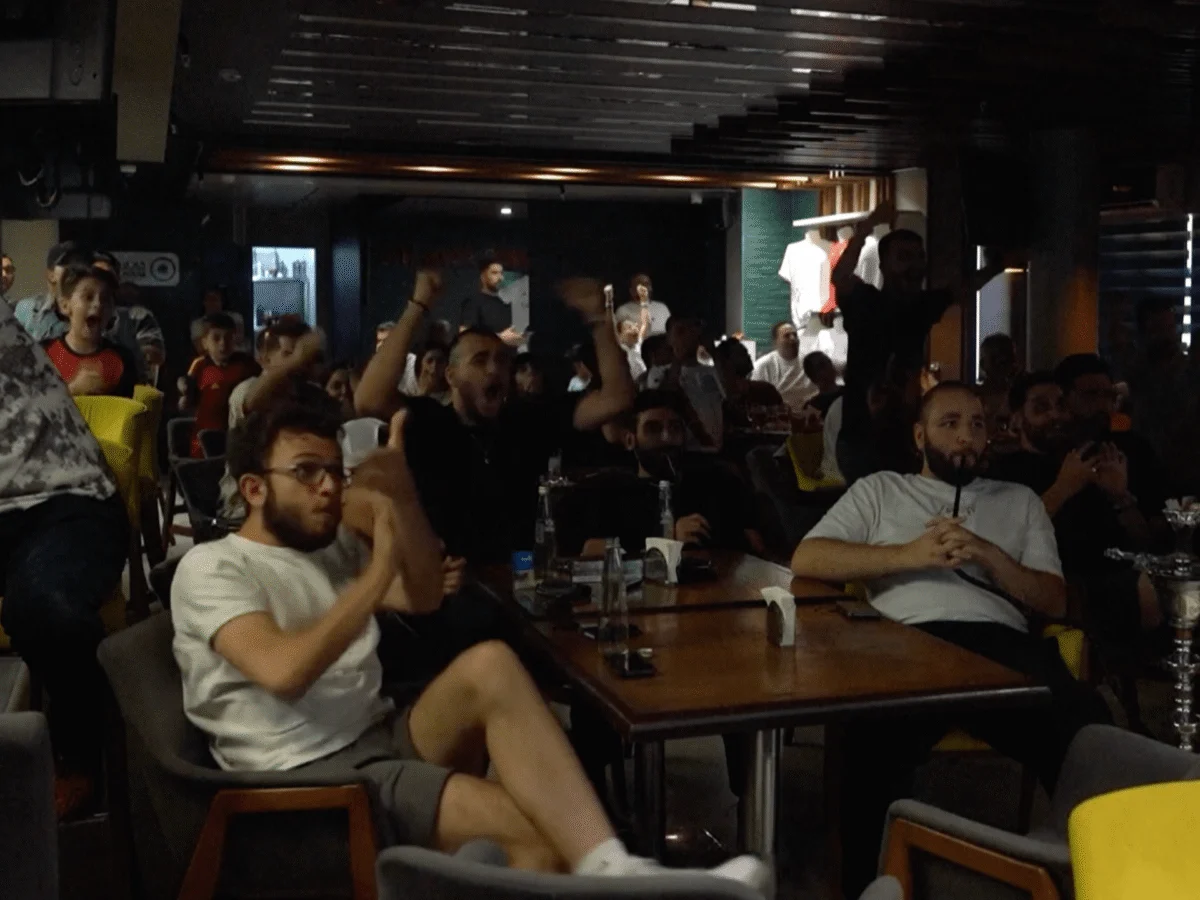
In Tehran’s Azadi Square, a sea of turquoise scarves fluttered beside cracked concrete as 12,000 fans gathered to watch Iran’s first World Cup match against England, while a handful of dissenters raised placards denouncing the regime.
The match ended 2-1 in England’s favor, but the real drama unfolded off‑screen: half the crowd cheered the anthem, the other half chanted for freedom.
What sparked the split among Iran fans?
Since the Islamic Republic’s crackdown on protests in 2022, public gatherings have become litmus tests of loyalty. Al Jazeera’s on‑the‑ground footage captured 3,000 youths wearing black wristbands — a symbol of opposition first seen during the 2022 Mahsa Amini protests.
Meanwhile, 9,000 supporters draped in the national flag sang “Allahu Akbar” as the whistle blew. The divergence was not accidental; security forces, according to the video, positioned themselves only near the protest zone, letting the two groups coexist under watchful eyes.
Why does this matter?
The World Cup is the world’s most watched sporting event, reaching an estimated 1.2 billion viewers. For a nation under sanctions and diplomatic isolation, the football field offers a rare stage to project unity or expose fracture. When fans split along political lines, the image of a monolithic Iran shatters, influencing foreign policy calculations, diaspora activism, and even betting markets on economy and markets.
Analysts note that the Iranian diaspora in London and Los Angeles organized synchronized livestream watch parties, amplifying the domestic narrative abroad. The split also reverberates in Iran’s state media, which aired a 30‑minute segment celebrating the team’s “heroic spirit” while omitting any mention of dissent.
Who is taking sides?
Government‑aligned outlets such as IRNA quoted a senior sports official saying, “Our players represent the nation’s pride, not politics.” No named official appears in the Al Jazeera video, but the sentiment surfaced repeatedly on state‑run TV.
Opposition figures, speaking from exile, posted on Telegram: “The world will see Iran’s true colors when our youth raise their voices on a global stage.” Their messages were retweeted thousands of times, showing the digital echo chamber that fuels dissent.
On the ground, tensions remained low‑key; no arrests were reported during the match, but police detained two men near the protest area after the final whistle, according to eyewitnesses.
What happens next?
Iran’s next fixture against the United States looms as a potential flashpoint. Security forces have announced “enhanced monitoring” of public spaces, hinting at a clamp‑down if protests swell.
For fans, the choice is stark: wear the green and white of the national team, or the black of the resistance. As the tournament progresses, the world will watch not just the scores but the political undercurrents playing out in stadiums and streets alike.
Stay tuned as we follow the evolving clash between sport and state, and what it means for Iran’s future on the global stage.