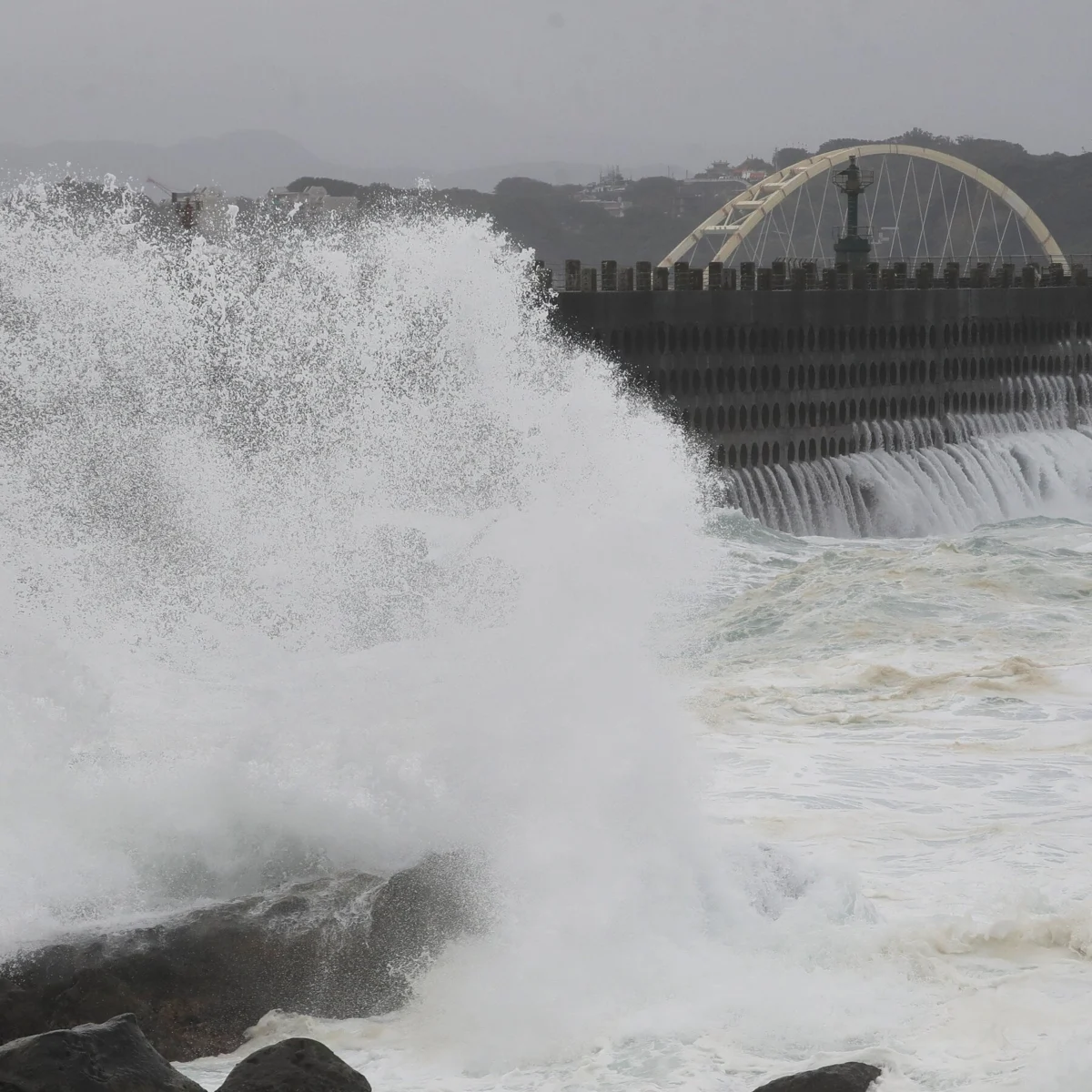
Taiwan mayors are weighing whether to declare days off work and school as typhoon champi approaches, a decision gaining attention during election year. One expert noted the likelihood of such announcements increases 31 percent during election cycles.
The approaching storm has placed local officials in a delicate position, balancing public safety with political optics. While closures are routine during severe weather, election-year timing adds complexity to these administrative choices.
KEY FACTS
- Typhoon champi is approaching Taiwan.
- Mayors are deciding whether to close work and schools.
- Election years see a 31% higher chance of typhoon-related closures.
- The increase was reported by one expert.
What’s Behind the Timing?
Election-year timing plays a growing role in typhoon-related closure decisions. One expert observed that the likelihood of mayors announcing work and school closures rises 31 percent during election years compared to non-election periods.
This pattern suggests political considerations may influence administrative decisions. Voters tend to view proactive safety measures favorably, potentially giving incumbent mayors an advantage when they act decisively during approaching storms.
The dynamic reflects broader trends in disaster response politics. Local leaders face pressure to demonstrate preparedness while avoiding criticism for being either too cautious or too slow to respond to incoming threats.
Who Is Affected by These Closures?
Work and school closures during typhoon champi directly impact millions of residents across Taiwan. Students, office workers, and service employees all adjust schedules when local governments announce shutdowns.
Businesses and transportation networks must also adapt quickly. Flight cancellations, suspended public transit, and delayed operations ripple through local economies during storm events.
Municipal governments coordinate emergency responses alongside closure decisions. Their ability to communicate safety guidelines and resource availability shapes how communities weather approaching typhoons.
What Happens Next?
Mayors will continue monitoring typhoon champi’s projected path before finalizing closure orders. Residents should follow official updates from local municipal offices and emergency management agencies.
Election-year timing means closure decisions attract additional public scrutiny. Voters may interpret these choices as indicators of leadership competence during crises.
WHAT WE KNOW — and WHAT WE DON’T
Verified by the source:
- Typhoon champi is approaching Taiwan.
- Mayors are considering declaring closures of work and schools.
- One expert reported a 31 percent increase in closure likelihood during election years.
Still unconfirmed:
- No specific mayor names or quoted statements.
- No confirmed storm intensity or landfall timing.
- No official closure announcements yet made.
Taiwan’s typhoon response remains closely watched due to the island’s dense population and frequent exposure to seasonal storms. Election-year considerations add another layer to already complex emergency management decisions.
As typhoon champi nears, residents await official guidance from local authorities across affected regions of Taiwan.
WHY IT MATTERS: Public trust in government responsiveness hinges on clear, timely decisions during natural disasters like typhoon champi.
WHAT TO WATCH: Monitor local municipal announcements as typhoon champi nears and closure decisions develop further.