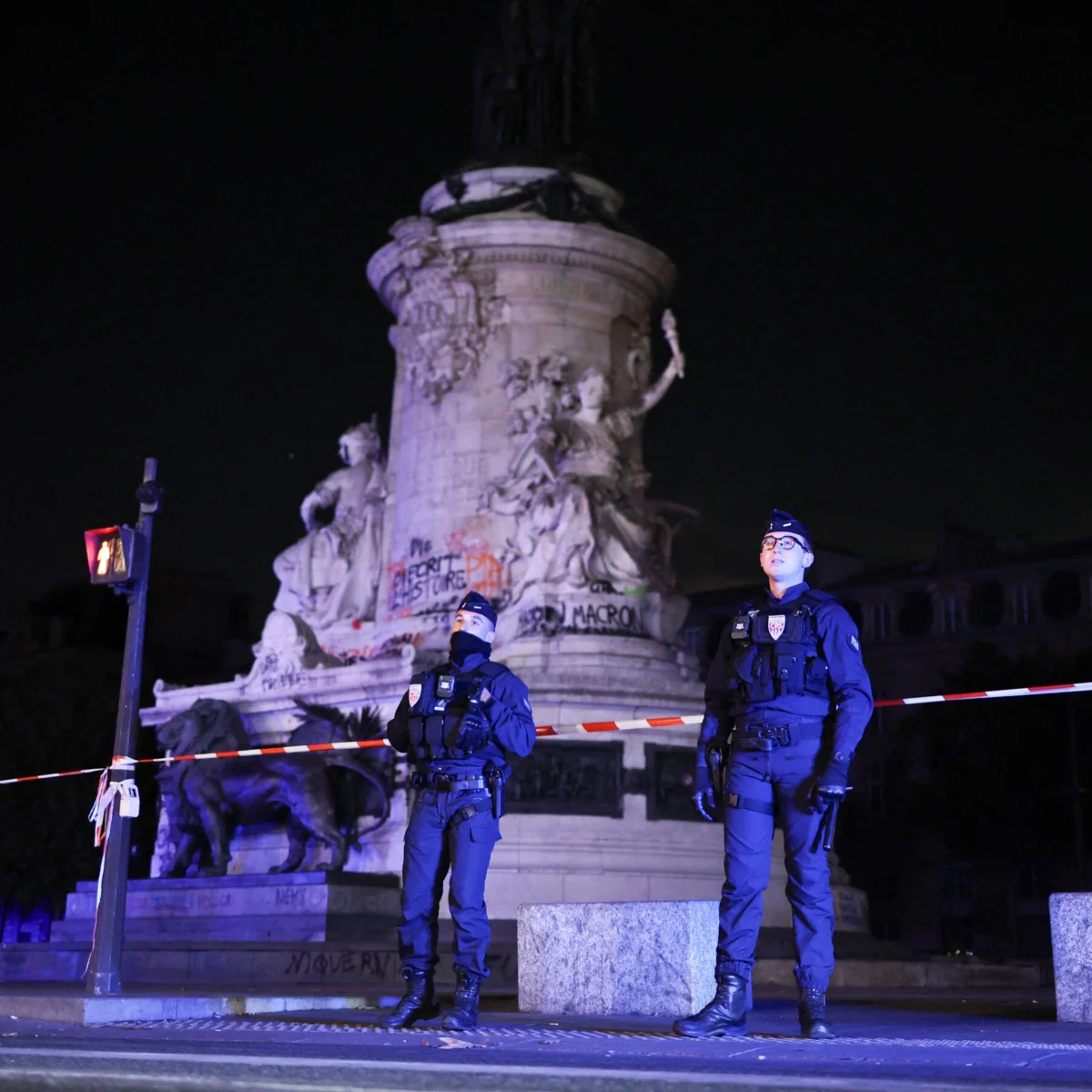
French authorities have banned certain protests following recent riots, with President Emmanuel Macron saying the step was necessary so that calm prevails. Macron justified the ban, referencing the need to maintain order after unrest.
France has imposed curfews, deployed security forces, and limited assembly freedoms under a state of emergency in past crises. The move signals central government control, affecting citizens’ speech and demonstration rights during unrest.
France has a history of banning assemblies during unrest under public order laws, citing national security. Authorities used emergency powers after the 2015 Paris attacks and 2018 Yellow Vest protests to restrict gatherings. These bans typically face court challenges questioning proportionality. Critics argue such measures suppress dissent under public order pretenses.
Who can protest?
The ban restricts public gatherings, limiting who can assemble legally. Organizers of future demonstrations may face permit denials, while smaller group sizes could reduce visibility. Officials have not clarified which specific protests are prohibited versus permitted.
How did protests escalate?
Unrest erupted into riots, damaging property and prompting emergency law enforcement deployment. Government officials cited threats to public safety, justifying preemptive protest restrictions to prevent further disorder.
What We Know — and What We Don’t
Verified by the source:
– President Emmanuel Macron stated bans were necessary for calm.
– Riot-related protests were restricted by French authorities.
Still unconfirmed:
– Which specific protests are banned.
– Duration and geographic scope of restrictions.
– Legal basis or emergency powers invoked.
– Number of injured or detained.
This restriction reflects ongoing tensions over protest rights during national unrest in France.
France may ease or expand protest restrictions depending on public order conditions and court rulings in coming weeks.
France restricts certain protests after riots, banning assemblies to restore public order.