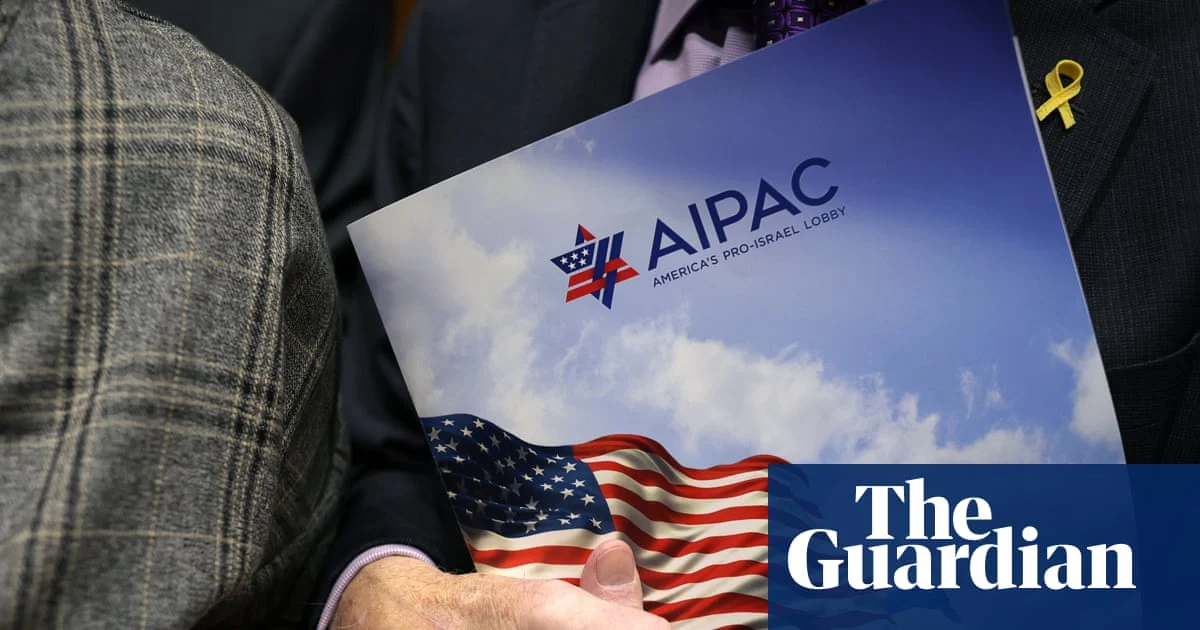
Aipac, the leading pro-Israel lobbying group in the US, announced it will no longer endorse political candidates or contribute directly to their campaigns. The shift comes as the group faces mounting criticism over its long-standing role in backing candidates with hardline positions on Israel, particularly amid growing public discontent over the Gaza conflict. Critics say the group’s influence has increasingly become a political liability.
The announcement marks a dramatic departure from decades of Aipac’s electoral involvement, signaling a recalibration in how pro-Israel advocacy intersects with U.S. electoral politics. This change underscores a broader shift in American public sentiment, where unconditional support for Israel is being questioned more openly than in previous years.
Key Facts
- Aipac will stop endorsing candidates and making direct campaign contributions.
- The reversal reflects growing US public criticism of Israel, especially during the recent war in Gaza.
- Political candidates’ traditional support for Israel has become a liability in some races.
- The announcement was made on Wednesday by the American Israel Public Affairs Committee.
- Critics view the change as an acknowledgment of Aipac’s declining political influence.
How Did We Get Here?
For decades, Aipac wielded significant influence in U.S. elections by endorsing candidates who supported strong ties with Israel. These endorsements often carried weight with donors and party establishments alike. But as the Gaza conflict intensified and civilian casualties mounted, progressive and centrist voices within the Democratic Party began openly challenging the scope of U.S. military and political support for Israel. This created internal party tensions, forcing candidates to navigate between traditional alliances and rising anti-war sentiment.
Against this backdrop, Aipac’s endorsement model came under scrutiny. Voters and activists increasingly viewed unconditional backing of Israeli government policies as out of step with evolving public opinion. The group’s influence, once seen as a cornerstone of bipartisan consensus, began to appear outdated, especially among younger Americans and communities affected by the conflict.
What Happens Next?
Moving forward, Aipac is expected to refocus its efforts on policy advocacy rather than electoral endorsements. This could involve lobbying Congress on specific legislation related to Israel and regional security. However, without the ability to directly support candidates, the group may need to rely more heavily on allied organizations and grassroots mobilization. How these alternative strategies will reshape its influence remains unclear.
The policy shift may also embolden other advocacy groups on both sides of the Israel-Palestine debate to escalate their campaigns. Candidates who previously relied on Aipac’s backing may now seek support from different coalitions, potentially altering the dynamics of upcoming elections. The long-term implications for U.S.-Israel relations and domestic political alignments are still unfolding.
What We Know — and What We Don’t
Verified by the source:
- Aipac announced it will no longer endorse candidates or make direct contributions to them.
- The decision follows criticism over its brand becoming politically toxic.
- Public opinion in the US has shifted regarding Israel, particularly due to the war in Gaza.
Still unconfirmed:
- Whether this change applies to all levels of elections or only federal races.
- Specific statements or responses from Aipac leadership or affiliated officials.
- Long-term impact on U.S. foreign policy toward Israel.
Why It Matters
This development highlights the growing complexity of U.S. foreign policy discourse, especially as younger generations and diverse voting blocs demand greater accountability in international affairs. It also signals a potential transformation in how advocacy groups engage with electoral processes, balancing ideological goals with shifting public sentiment. Explore more on war and geopolitics to understand the broader implications of this evolving landscape.
What To Watch
Observers will watch how Aipac adapts its strategy without endorsements and whether other groups fill the gap in pro-Israel electoral advocacy. Additionally, upcoming elections may reveal how candidates adjust their messaging in light of these changing dynamics.
Aipac’s withdrawal from candidate endorsements reflects a rare concession to political pressures stemming from criticism over the Gaza conflict.