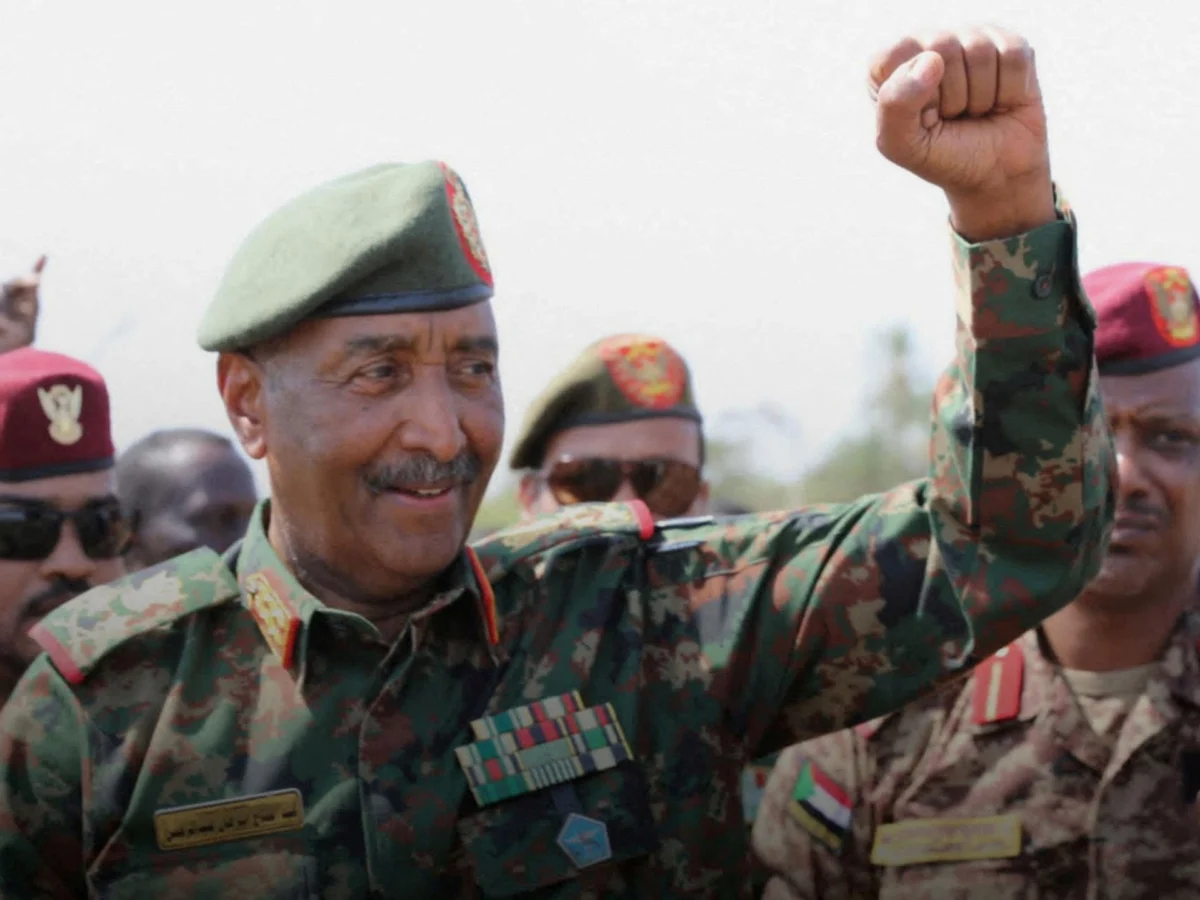
The Sudanese army announced it has gained control of a strategically important town in North Kordofan, a claim that signals a potential shift in momentum in its ongoing conflict with the paramilitary Rapid Support Forces (RSF). The army says this territorial gain limits the RSF’s ability to move fighters and supplies through the region.
This development underscores the fluid nature of frontlines in Sudan’s protracted civil war, where small victories can have significant implications for broader supply chains and troop mobility. The situation remains volatile, and independent confirmation of battlefield outcomes is often difficult.
KEY FACTS
- The Sudanese army claims victory in a vital North Kordofan town.
- The army says this weakens RSF access to fighters and supply routes.
- The conflict continues between the Sudanese army and the RSF.
- The town reportedly holds strategic value due to its location.
What does this mean for the conflict?
The capture of a key town in North Kordofan could disrupt logistical lines used by the RSF, limiting their capacity to reinforce positions or resupply forces. Control over such areas often serves as a bargaining chip in broader territorial disputes. However, battlefield gains are rarely decisive unless they are part of a larger coordinated offensive.
Sudan’s civil war, which began in April 2023, has led to widespread instability across the country. Both sides have accused each other of targeting civilian infrastructure and blocking humanitarian aid. The fighting has displaced millions and drawn in regional actors with competing interests.
How did we get here?
The conflict between the Sudanese army, led by General Abdel Fattah al-Burhan, and the RSF, headed by Mohamed Hamdan Dagalo, erupted in Khartoum in April 2023. What began as a power struggle quickly escalated into a full-scale civil war, fragmenting much of the country along military lines.
North Kordofan has emerged as a key battleground due to its proximity to supply routes and its role as a buffer zone between conflict zones. Both the army and the RSF have vied for control of towns in the region, recognizing that dominance here can influence movements in adjacent territories including Darfur and Kordofan.
What happens next?
While the army’s claim of victory remains unconfirmed by independent sources, the outcome—if validated—could alter movement patterns along critical transport corridors. Analysts note that sustained momentum requires more than isolated wins; it depends on consolidating gains and securing supply networks.
Meanwhile, humanitarian conditions continue to deteriorate, especially in areas where active combat persists. Aid organizations stress that access restrictions and infrastructure damage make delivering assistance increasingly challenging.
WHAT WE KNOW — AND WHAT WE DON’T
Verified by the source:
- The Sudanese army claims to have taken a town in North Kordofan.
- The army asserts that this action reduces RSF access to fighters and supplies.
- The RSF and the army are currently engaged in active hostilities.
Still unconfirmed:
- The exact identity and size of the town captured.
- Independent verification of the army’s claims.
- Tactical details surrounding the alleged operation.
WHY IT MATTERS
Shifts in momentum during Sudan’s civil war can dramatically reshape humanitarian access and regional stability. If the army can maintain control over newly captured areas, it may open or close key supply routes affecting millions of civilians caught between warring factions.
WHAT TO WATCH
Independent observers and international bodies are expected to report on whether the claimed territorial change holds. A confirmed advance would indicate a notable escalation in the army’s operational reach.