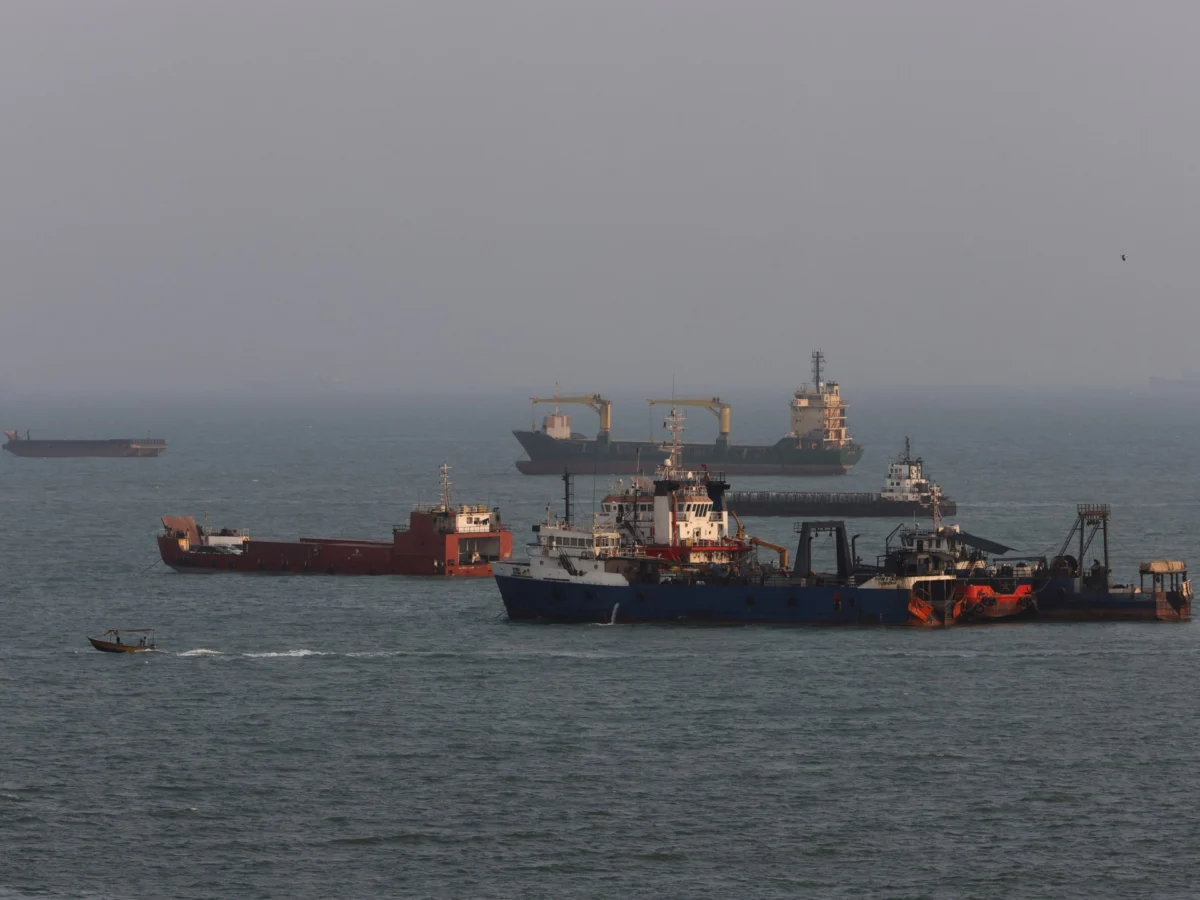
Tehran said the Strait of Hormuz closed will remain shut until the United States meets certain conditions, keeping a critical global shipping route blocked and raising concerns over energy supplies.
The announcement came as U.S. officials continue to center diplomatic attention on nuclear negotiations with Iran, with no public indication yet of progress on the conditions Tehran says it wants met before reopening the waterway.
Key Facts
- Iran says Strait of Hormuz closed until US meets conditions, per Al Jazeera.
- Reopening the strait has been stated as Tehran’s main goal, according to Al Jazeera.
- The US continues focusing on nuclear talks rather than the strait closure, Al Jazeera reports.
- The Strait of Hormuz closed directly affects global oil shipments, per general context.
What Happens Next?
The immediate question is whether the United States will adjust its stance on nuclear negotiations or propose new measures aimed at reopening the Strait of Hormuz closed passage. International shipping companies and energy markets are watching closely, since any prolonged blockage could disrupt crude oil supplies to major consumers in Asia and Europe.
Iran has not spelled out publicly which specific conditions it expects the United States to fulfill, leaving analysts and policymakers uncertain about potential diplomatic pathways. Meanwhile, regional navies and commercial operators are weighing contingency plans, a pattern historically associated with heightened Gulf tensions.
General background confirms the strategic importance of the waterway: the body of water linking the Persian Gulf to the Gulf of Oman handles roughly one-fifth of global petroleum liquids transit, though exact figures are not confirmed in this source. That dependency means any extended closure tends to influence oil prices and energy security discussions worldwide.
Who Is Affected?
The Strait of Hormuz closed situation affects a broad range of actors beyond the two governments directly involved, including energy-importing economies that depend on Gulf oil flows. Shipping insurers, freight forwarders, and logistics firms typically adjust route planning and pricing in response to Gulf disruptions, though exact responses are not detailed here.
Consumers in importing nations may feel downstream impacts through fuel and commodity cost shifts, particularly if alternative transport routes remain constrained. International organizations that track maritime security often note that uncertainty around passage status can depress vessel traffic even without a formal blockade.
While Iran has framed the closure as conditional rather than permanent, the absence of an agreed reopening mechanism increases risks of miscalculation. Historical precedents involving Gulf tensions suggest that third-party mediation or multilateral engagement sometimes emerges to ease access disputes, though no such efforts are mentioned in this report.
What We Know — and What We Don’t
Verified by the source:
- Iran says the Strait of Hormuz remains closed until the US meets conditions.
- Tehran states reopening the strait has been its main goal.
- The US is continuing to focus on nuclear talks instead of the strait closure.
Still unconfirmed:
- The specific conditions Iran wants the US to meet.
- Whether any formal diplomatic steps are underway to reopen the strait.
- Exact quantities of oil or vessels affected by the closure.
Why It Matters
The Strait of Hormuz closed status affects global energy flows and highlights how Gulf tensions can ripple through international markets, underscoring the strategic weight of maintaining open maritime corridors.
What To Watch
Watch whether the United States signals willingness to link nuclear talks to the Strait of Hormuz closed reopening, and whether Iran specifies the conditions it expects. Updates will likely come through diplomatic channels rather than direct announcements.
Iran says the Strait of Hormuz closed until the US meets conditions, keeping a key energy route shut and raising global supply concerns.