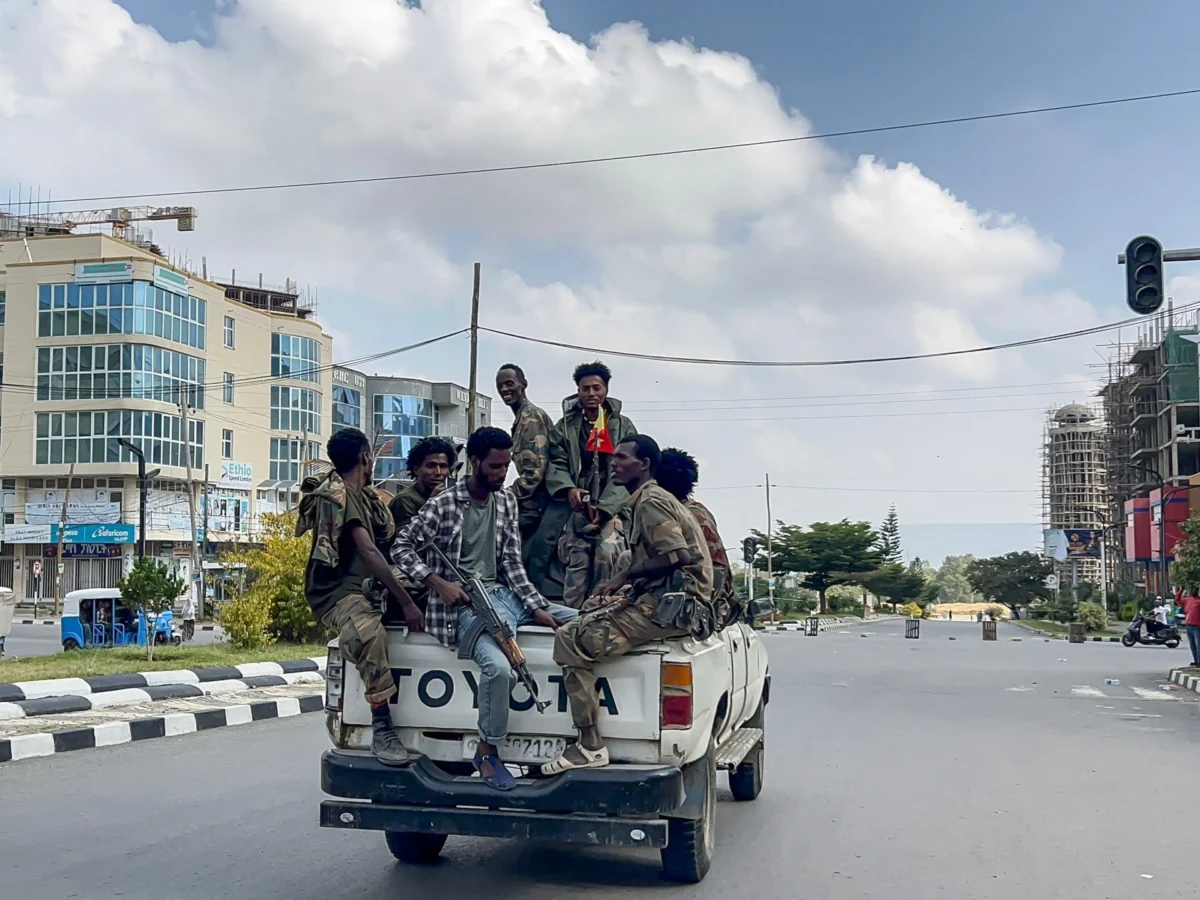
Government forces and allied fighters have taken control of Mekelle, the capital of Ethiopia’s Tigray region, following the withdrawal of the Tigray People’s Liberation Front (TPLF). The capture includes the city’s main regional airport, according to reports from Al Jazeera Breaking News World News and Video from Al Jazeera. This development represents a significant turning point in the months-long conflict that has destabilized northern Ethiopia.
The seizure of the Tigray capital underscores the evolving dynamics on the ground, where federal troops have been advancing against the TPLF, which previously held sway over large parts of the region. The control of key infrastructure, including the airport, suggests a logistical advantage for government forces moving forward. While details remain limited, the shift in control raises questions about the humanitarian situation and future stability in the area.
Key Facts
- Ethiopian government forces seized Mekelle, the capital of the Tigray region.
- Allied fighters were seen in control of the city after capturing the main regional airport.
- TPLF withdrew from Mekelle, ceding territorial control to federal troops.
- Source: Al Jazeera – Breaking News, World News and Video from Al Jazeera.
The Story
What happens next in the Tigray capital seizure?
With the withdrawal of the TPLF from Mekelle, attention now turns to how the Ethiopian government will consolidate its control over the Tigray capital and surrounding areas. The capture of the main regional airport could facilitate increased military presence and aid delivery, but it also raises concerns about potential retaliation or further displacement of civilians. The humanitarian impact remains unclear, as access restrictions and communication blackouts have long hampered reporting from the region. International observers are likely to seek confirmation of the extent of control and the immediate aftermath for local residents.
Regional and global stakeholders are expected to monitor developments closely, particularly regarding the safety of civilians and the delivery of humanitarian assistance. The United Nations and aid organizations have previously expressed concern over access constraints in conflict zones like Tigray. If government forces maintain control without major resistance, it could signal a decisive phase in the conflict, though sustained instability remains possible.
How did we get here?
The conflict in northern Ethiopia escalated in late 2020 when the TPLF launched attacks on federal military bases, prompting a military response from the central government. Over time, fighting has shifted across various fronts, with periods of territorial gains and losses for both sides. The recent withdrawal of the TPLF from Mekelle marks one of the most consequential developments since the initial outbreak of hostilities. Federal forces have received support from regional allies, contributing to their momentum.
The broader implications touch on national unity, governance, and international relations. Ethiopia’s government has framed its actions as necessary to preserve national integrity, while critics allege human rights violations and disproportionate use of force. As the dynamics continue to evolve, diplomatic efforts may intensify to mediate a resolution, though trust between conflicting parties remains strained.
Who is affected by the Tigray capital seizure?
The population of Mekelle and surrounding communities bears the heaviest burden of the ongoing conflict. Civilians have faced displacement, disrupted services, and limited access to food, water, and medical care throughout the crisis. The changing military landscape affects not only local residents but also refugees and internally displaced persons who depend on humanitarian aid. Educational institutions and healthcare facilities have reportedly suffered damage during the fighting.
Aid workers and international organizations operating in the region face challenges in reaching affected populations due to insecurity and bureaucratic barriers. The situation demands urgent coordination among humanitarian actors to ensure safe passage and adequate support. Long-term recovery will hinge on restoring basic services, rebuilding infrastructure, and fostering reconciliation among communities torn apart by violence.
What We Know — and What We Don’t
Verified by the source:
- Government forces and allied fighters are in control of Mekelle.
- The main regional airport has been captured.
- The TPLF withdrew from the city.
Still unconfirmed:
- Exact timeline or casualties associated with the seizure.
- Current humanitarian conditions inside Mekelle.
- Whether all TPLF elements have left the wider region.
Why It Matters
The fall of Mekelle holds strategic importance for Ethiopia’s internal stability and regional security. Control of the Tigray capital influences political negotiations, refugee movements, and cross-border relations with neighboring countries like Sudan. It also affects international perceptions of Ethiopia’s commitment to peace and human rights, potentially shaping foreign aid flows and diplomatic engagement. For readers, understanding these developments helps inform awareness of global conflicts and their spillover effects on migration, trade, and security cooperation. Explore more at war-geopolitics and politics sections for ongoing coverage.
What To Watch
Future reports may clarify whether government forces can sustain their hold on the Tigray capital amid potential counterattacks or negotiations. Official statements from Ethiopian authorities and independent verification of conditions inside Mekelle remain pending.